Public discourse frequently centers on the impeachment of sitting presidents, yet the constitutional mechanism extends well beyond the Oval Office. Article II, Section 4 of the United States Constitution explicitly authorizes Congress to impeach and remove federal officials, a category that includes all Cabinet secretaries. The text specifies that the President, Vice President, and all civil Officers of the United States shall be removed from office upon impeachment for and conviction of treason, bribery, or other high crimes and misdemeanors.
The definition of high crimes and misdemeanors is not strictly codified and does not necessarily require a violation of a specific criminal statute or a prior court conviction. Historically, the process has been utilized to address significant abuses of official power or breaches of public trust, allowing the legislative branch to check executive authority even when criminal law is not directly invoked.
The procedural steps for removing a Cabinet secretary closely mirror those used for the presidency. The process initiates in the House of Representatives, where members may introduce a resolution or direct a committee to investigate alleged misconduct. The House then determines whether to formally charge the official by adopting articles of impeachment. A simple majority vote in the House is sufficient to impeach a secretary, which serves as a formal accusation rather than a final judgment.
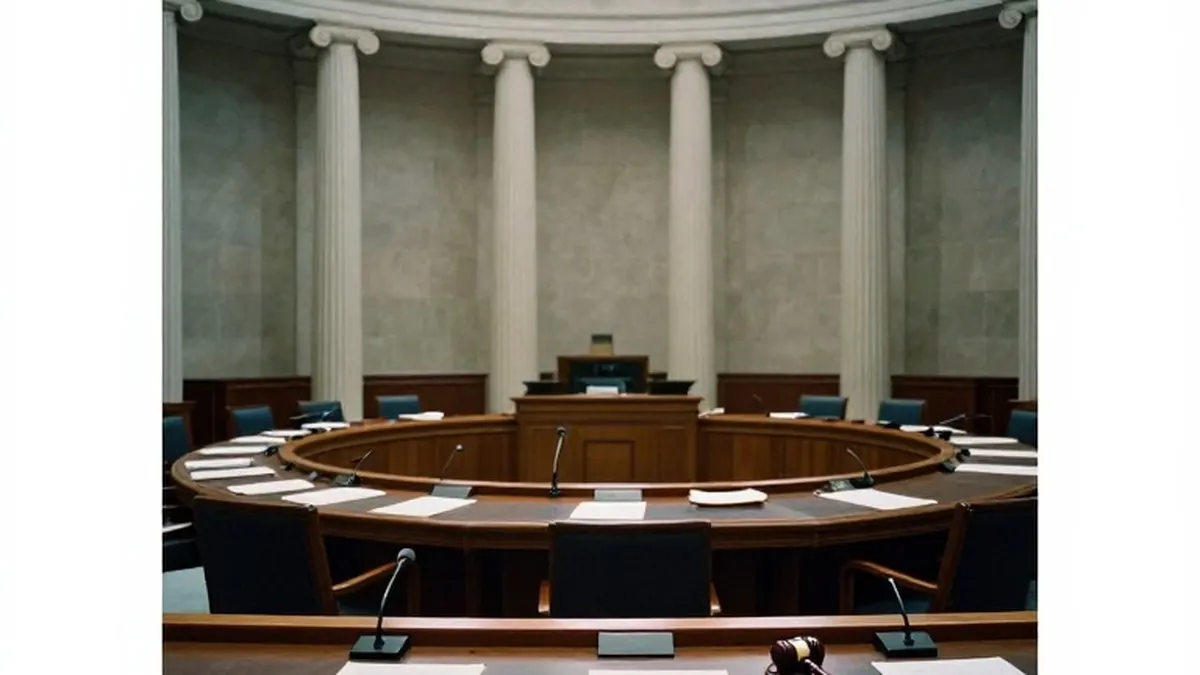
Following impeachment by the House, the Senate assumes the role of a court to hold a trial. While the Constitution explicitly states that the Chief Justice of the Supreme Court presides over presidential impeachment trials, the oversight structure for Cabinet secretaries is less clearly defined. Despite this ambiguity, the Senate conducts the proceedings to determine the outcome of the case.
It is important to distinguish between impeachment and removal. An official who has been impeached by the House can continue to serve in their position while the Senate deliberates. Removal from office requires a conviction, which demands a significantly higher threshold of support. Specifically, a two-thirds vote in the Senate is necessary to convict and remove a Cabinet secretary, a standard that makes successful removal more difficult than in other legislative actions.
Impeachment of Cabinet secretaries is a rare occurrence in American history. The first instance involved William W. Belknap, who served as War Secretary under President Ulysses S. Grant. In 1876, Belknap resigned just hours before the House voted to impeach him over allegations that he accepted bribes related to a trading post scandal. Although the House completed the impeachment, the Senate subsequently acquitted him.
The most recent example occurred in February 2024, when Alejandro Mayorkas became the second Cabinet secretary to face impeachment. Serving as Homeland Security Secretary in the Biden administration, Mayorkas was impeached by a narrow House vote. Two months later, the Senate dismissed the case, ruling that it did not meet constitutional standards. Mayorkas remained in his post until President Joe Biden left office.
These historical precedents illustrate that while the legal framework for removing Cabinet secretaries is well established, the political and procedural hurdles are substantial. The requirement for a two-thirds Senate vote for conviction, combined with the specific nature of the charges, ensures that such actions remain exceptional measures in the operation of the federal government.