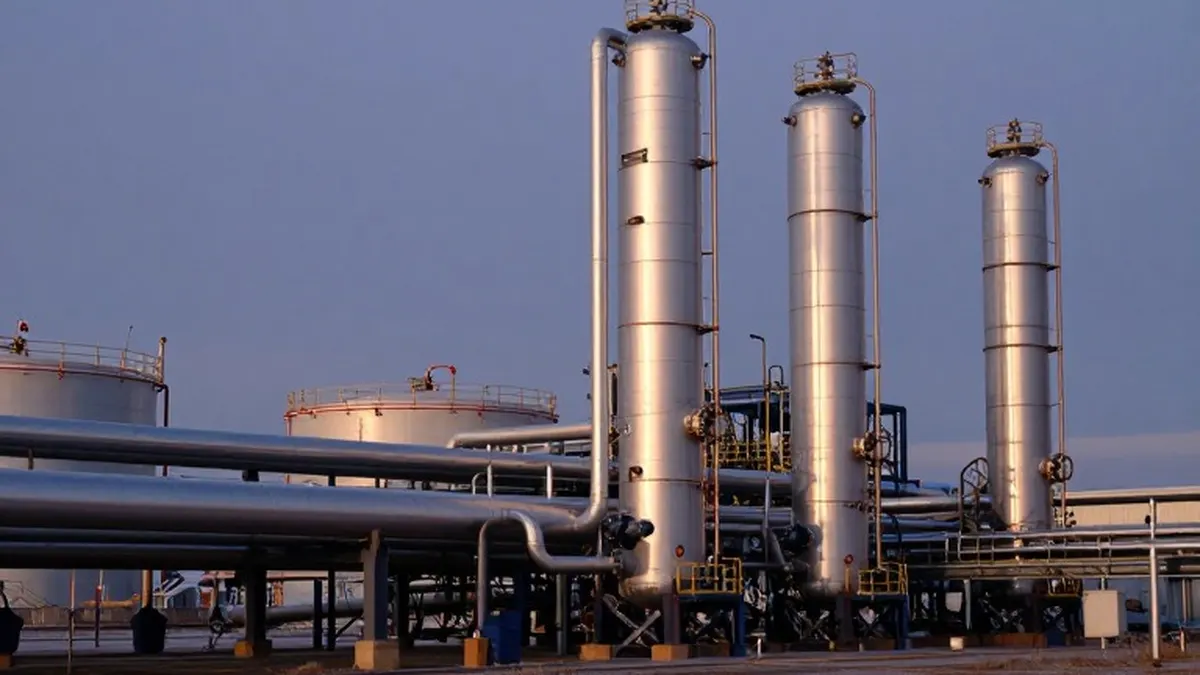
Iran is entering the winter season with a deteriorating natural gas supply situation. The country faces a deepening energy crisis as physical damage to key processing facilities from its recent war with the United States and Israel adds to long standing structural deficits in production.
President Masud Pezeshkian addressed the growing concern on November 21, warning that the nation would likely encounter significant energy supply issues during the cold months. He noted that the country was already dealing with an energy imbalance before the conflict, but that attacks on gas infrastructure have exacerbated the problem.
"Even before this, we were facing an energy imbalance, and now attacks on the country's gas infrastructure have made this imbalance worse. We expect to face problems in the winter," Pezeshkian stated. He detailed that the attacks eliminated 240 million cubic meters of daily gas production capacity. While approximately 100 million cubic meters have since been restored, roughly 140 million cubic meters per day remain offline. This loss compounds a prewar shortfall that the president estimated at 250 million to 300 million cubic meters daily during peak consumption periods.
Current official estimates suggest the total shortage for this winter could range between 400 million and 530 million cubic meters per day. Saeed Tavakoli, the chief of the National Iranian Gas Company, warned that at least 11 provinces may experience supply difficulties. Fatemeh Mohajerani, the government spokeswoman, added that rationing measures could extend to Tehran if consumption levels remain high.
The gas shortage is also straining industrial operations. Iran has already limited gas supplies to certain factories, and reports indicate that production disruptions have affected the cement and petrochemical sectors. The reduced output poses further challenges for the energy sector as demand rises with the colder weather.
Mostafa Rajabi Mashhadi, the Deputy Energy Minister, warned that fueling power plants will be more difficult this winter due to the reduced gas output. To compensate for the shortfall, the government expects to increase the use of mazut, a heavy fuel oil, in power generation facilities.
State electricity company Tavanir initiated rolling blackouts for homes and businesses on November 22. Mohammad Allahdad, the company's chief executive, attributed the decision to fuel shortages at power plants. The blackouts mark a tangible impact of the crisis on daily life for many citizens.
Despite holding the world's second-largest proven natural gas reserves, Iran has struggled for years to meet domestic demand. International sanctions have discouraged foreign investment and technology transfers. Additionally, aging gas fields, a decaying pipeline network, and heavily subsidized consumption patterns have consistently left output trailing demand every winter.