
An Iranian singer and four members of her production team were each sentenced to 74 lashes following a ruling that they offended public decency by sharing obscene and immoral content online. The verdict was reported on Monday by the Iranian news website Emtedad, which cited statements from lawyer Mostafa Nili.
In addition to the physical punishment, the five individuals were each handed a two-year ban on engaging in artistic and musical activities. They are also prohibited from traveling during this period. The lawyer quoted by the media outlet did not specify in the report whether he had represented all five defendants in the case.
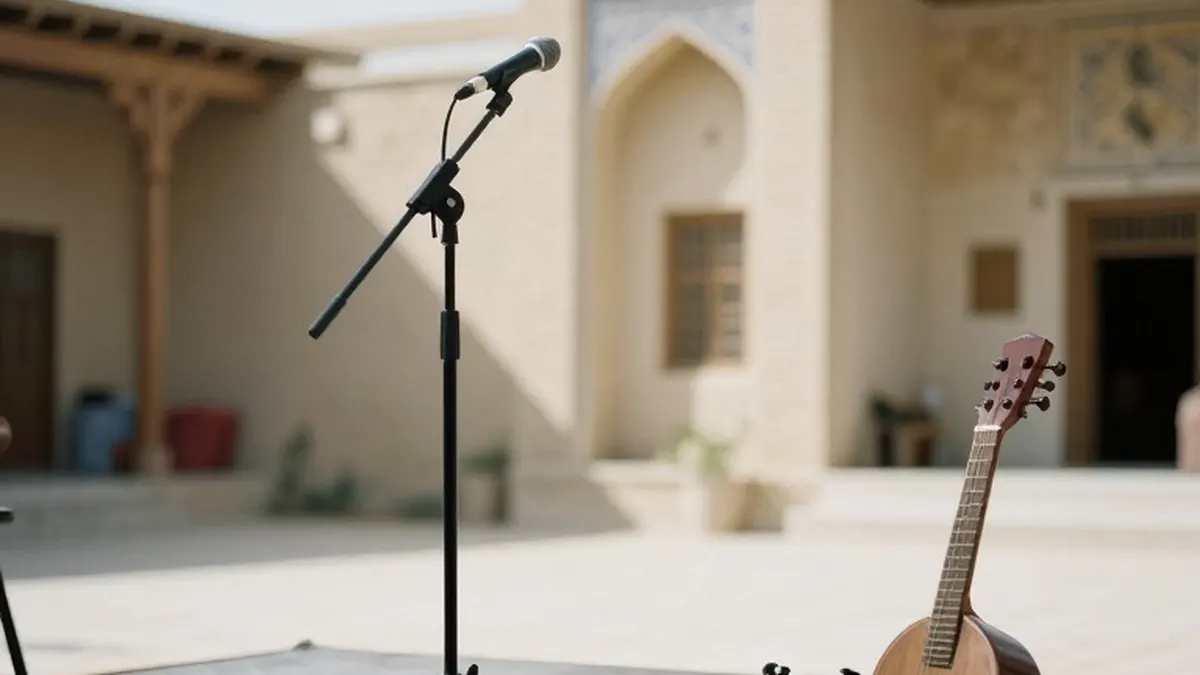
The legal proceedings originated from a video uploaded to YouTube in December 2024. The clip showed Parastoo Ahmadi performing alongside male musicians while wearing the mandatory hijab. The performance took place in Qom, a city located south of the capital, Tehran.
The Norway-based human rights group Hengaw provided details regarding the initial incident that led to the sentencing. The group highlighted the significance of the location and the nature of the performance as factors in the subsequent legal action.
The use of flogging as a penalty has drawn significant criticism from Western governments and various human rights organizations. These entities have described the practice as a form of torture and a violation of international law. In response, Iranian officials have frequently rejected these accusations, arguing that Western nations should examine their own human rights records before criticizing Iran.
This case occurs against a backdrop of evolving social dynamics regarding dress codes in Iran. Rules requiring women to wear the hijab became a major flashpoint during the widespread protests in 2022. Those demonstrations were sparked by the death of Kurdish Iranian woman Mahsa Amini, who died in custody after being arrested for allegedly violating dress code regulations.
Since the 2022 protests, the enforcement of hijab rules has become more selective. While the regulations remain in place, they are increasingly flouted on the streets of Tehran and other major cities. The contrast between the strict legal penalties handed down in this case and the visible relaxation of rules in public spaces highlights the ongoing tension in Iranian society.
Iranian authorities did not immediately respond to a request for comment from Reuters regarding the specific details of the sentencing. The case underscores the continued role of online content in shaping legal and social expectations for women in the country.
The sentence of 74 lashes is a substantial physical punishment that draws attention to the judicial process in Iran. It serves as a reminder of the consequences that can face public figures who challenge traditional norms, particularly in the realm of artistic expression and public appearance.





