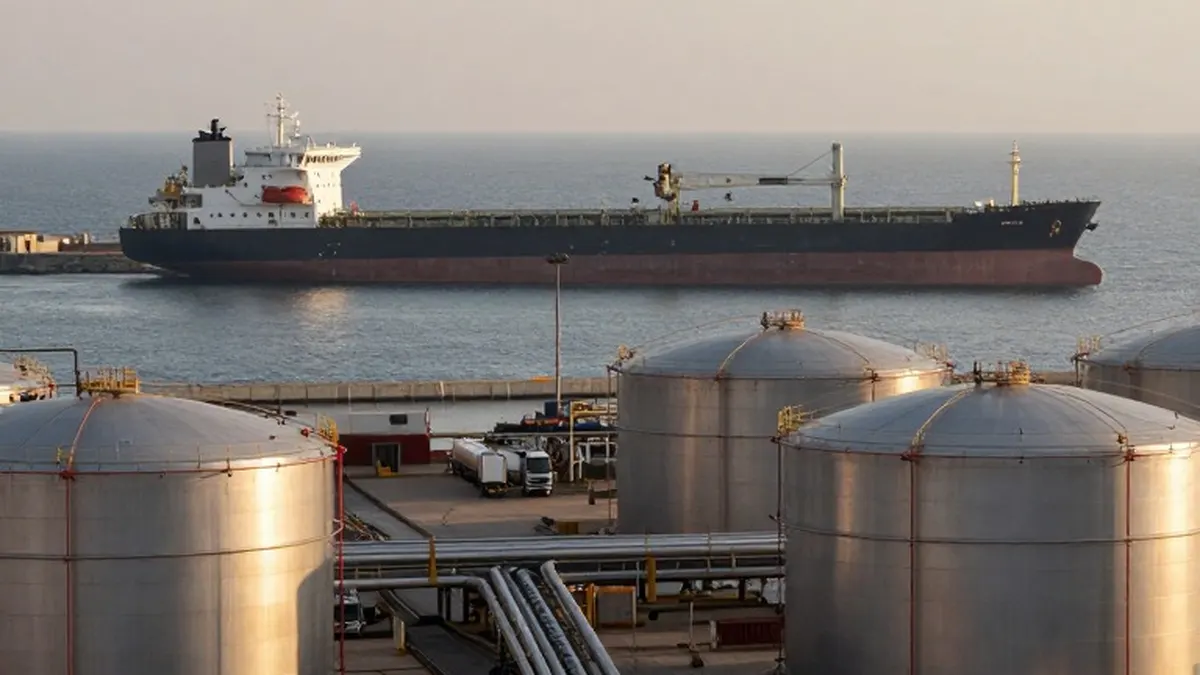
Iraq has expanded its oil exports to Turkey, with volumes through the port of Ceyhan climbing from 350,000 to 500,000 barrels per day, a 43 percent increase, according to a report by Iraq's Shafaq News. The shift underscores how Turkey is emerging as a potential beneficiary of the crisis created by the Iran war, despite not being a party to the conflict.
Ankara has been able to present itself as a stable partner during the regional uncertainty, and it has already leveraged that position in dealings with Saudi Arabia and Pakistan. The increase in Iraqi exports appears to be largely symbolic in scale, but it highlights Turkey's growing role.
Citing a North Oil Company source, OilPrice reported that around 200,000 barrels per day of Basra crude is being moved by tanker trucks from southern Iraq to collection stations at Sarallu and Khurmala, where it enters the northern pipeline system bound for Ceyhan, Shafaq said. The remaining shipments originate from fields in the Kurdistan Region of Iraq and Kirkuk.
According to the report, the current flow "marks the highest export volume through the route since operations resumed in September 2025, following a suspension of about two and a half years over disputes between Baghdad and Erbil concerning oil export revenues."
Iraq has faced a major crisis since the war with Iran began in February. Before the conflict, Baghdad exported most of its oil through the Strait of Hormuz, and the war left it scrambling for alternatives. Unlike Saudi Arabia, Iraq lacks the infrastructure to pivot easily, but it has improvised, moving oil by truck to Syria's Baniyas port via a crossing near Tanf, a remote desert outpost once located near a US military garrison that has since been abandoned. Security in the area has held, allowing those exports to continue.
The Kurdistan Region has benefited from the shift toward Turkey thanks to its historic ties with Ankara and its existing energy export infrastructure to Ceyhan. Data cited by Shafaq and OilPrice shows that production "from Iraq's southern oil fields fell by around 70% during the early weeks of the US-Israeli war on Iran, dropping from approximately 4.3 million to 1.3 million bpd as shipping disruptions restricted exports through the Strait of Hormuz." Output has since recovered, with more crude moving through both Ceyhan and the Strait of Hormuz, and overall exports could return to pre-war levels.
In a separate development, the state-run Iraqi News Agency reported that Oil Minister Basim Mohammed Khudair Al-Abadi "confirmed on Tuesday that agreements have been reached with the American company Chevron regarding a contract for the West Qurna-2 oil field." The Ministry of Oil announced the conclusion of the agreements in a statement received by the agency.
The Chevron deal is significant as Iraq deepens cooperation with Western oil companies. Shafaq reported that the Oil Ministry "would support Chevron, ExxonMobil, ConocoPhillips, and other US companies operating in Iraq by addressing obstacles to their investments," and that the government aims to attract American firms to the oil and gas sectors, draw on their expertise in field development, and expand technology transfer and workforce training.
West Qurna-2 was previously operated by Russia's Lukoil, a change that could be viewed as a net gain for the United States. More broadly, Iraq, Syria and Turkey appear to be using the Iran conflict to strengthen their standing as energy partners for Western companies. With Iraq looking increasingly toward Syria, its ties to Turkey are likely to deepen as well, since Ankara is a key player in Syria and a partner of Damascus. How the new arrangements will ultimately play out remains to be seen.