Iraqi Prime Minister Ali al-Zaidi has told US President Donald Trump that Iraq will not allow its territory to serve as a base for attacks on neighbouring countries, as Baghdad seeks to avoid involvement in another round of war against Iran.
The leaders spoke by telephone on Thursday, according to the Iraqi prime minister’s office, amid intensified diplomatic efforts to prevent renewed US strikes on Iran. Their conversation covered regional developments, security issues and the outlook for the coming period. Al-Zaidi called for countries’ sovereignty to be respected and stressed that dialogue and diplomacy were needed to protect regional stability.
Iraq shares a border with Iran and has struggled to balance its relationships with Washington and Tehran since Trump began the war against Iran in February. Al-Zaidi, who took office in May, has made disarming all fighter groups in Iraq a priority. Those groups include powerful factions aligned with Iran that have carried out attacks across the region in support of Tehran during the conflict.
Foreign Minister Fuad Hussein also warned on Thursday about the consequences of further fighting. Speaking to Dijlah TV, he said the possibility of renewed American military action against Iran was widely known. He urged Iraqi armed groups to stay out of any Iranian retaliation, warning that involving Iraqi society would bring disaster.
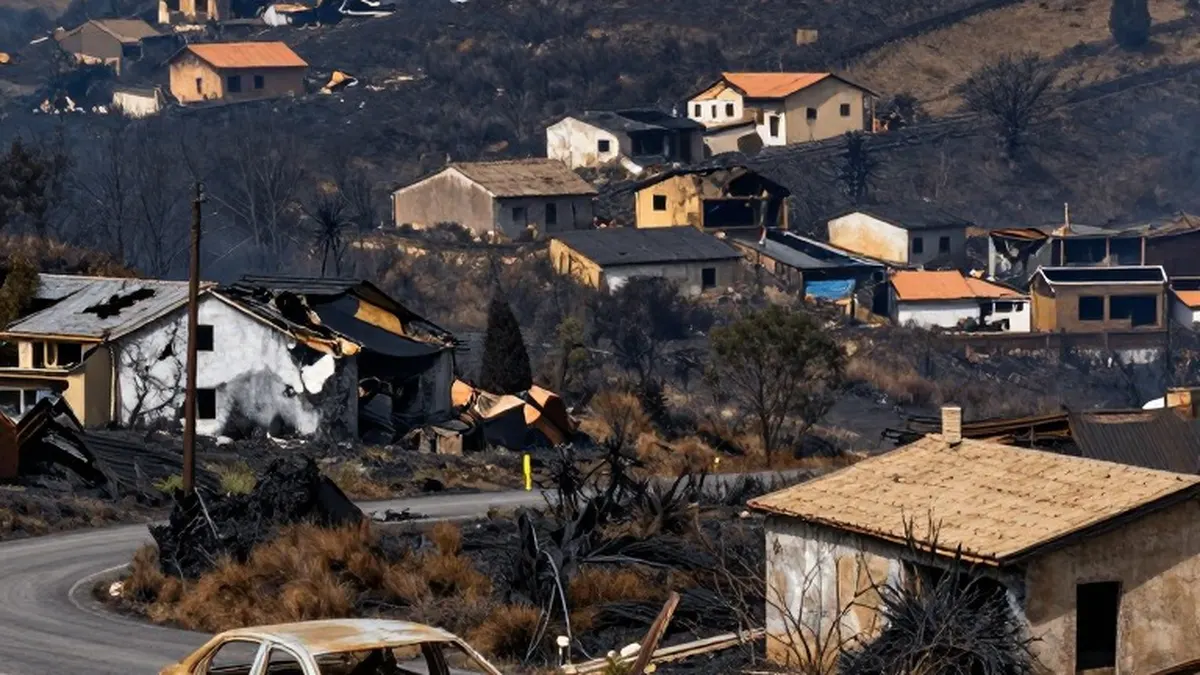
“We are not prepared for war,” Hussein said, adding that neither Iraq’s population nor its armed forces were ready for such a conflict. He said Iraq had become a battlefield following the US attack on Iran, facing attacks by American and Iranian forces as well as armed groups operating within its own borders.
Hussein said Baghdad maintained good relations with both the United States and Iran and did not belong to any axis. He called for a clear policy keeping Iraq outside the war and preventing the country from again becoming an arena for fighting.
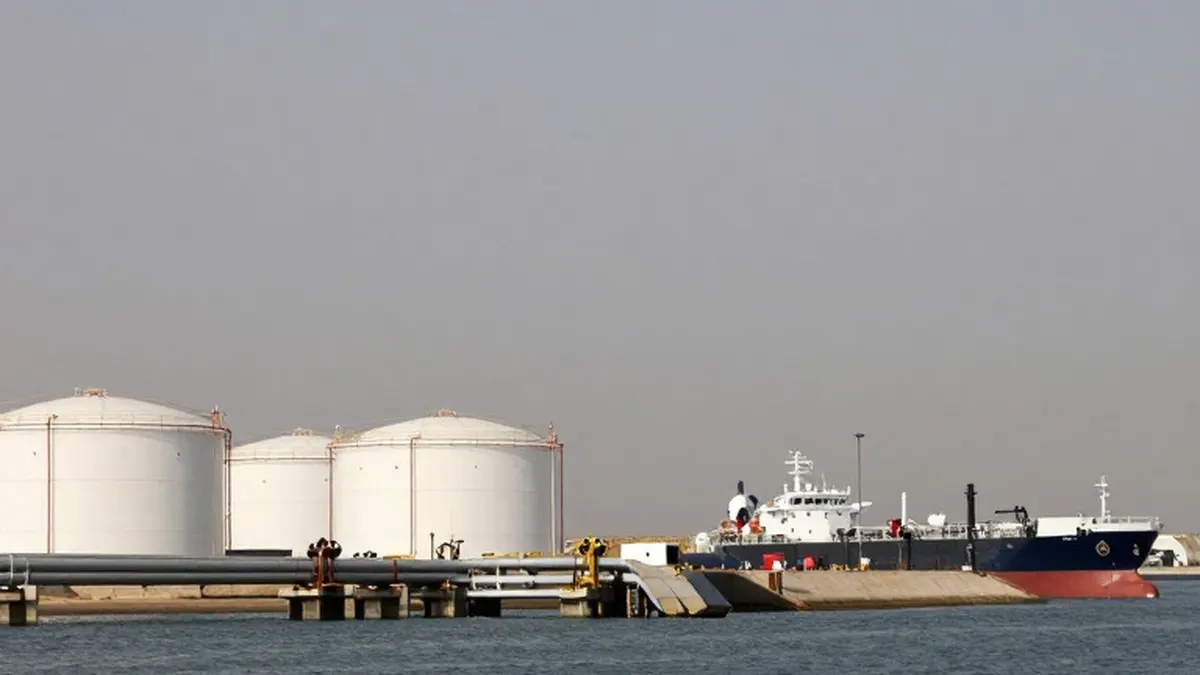
The conflict has already cost Iraq more than $60bn in oil revenue. Around 90 percent of its oil exports ordinarily travel through the Strait of Hormuz, and those shipments were largely halted when Tehran closed the waterway.
The disruption affected a revenue source that supplies about 90 percent of Iraq’s federal budget. Iran has since included Iraq among the small number of countries granted permission to move freely through the strait.