Ireland is under mounting pressure to stop alumina shipments to Russia amid concerns that material from a refinery in County Limerick is helping supply Russian weapons manufacturers. The dispute comes as European leaders gather in Dublin this week for talks on supporting Ukraine, with a European Political Community summit on Thursday followed by a meeting of European Union leaders.
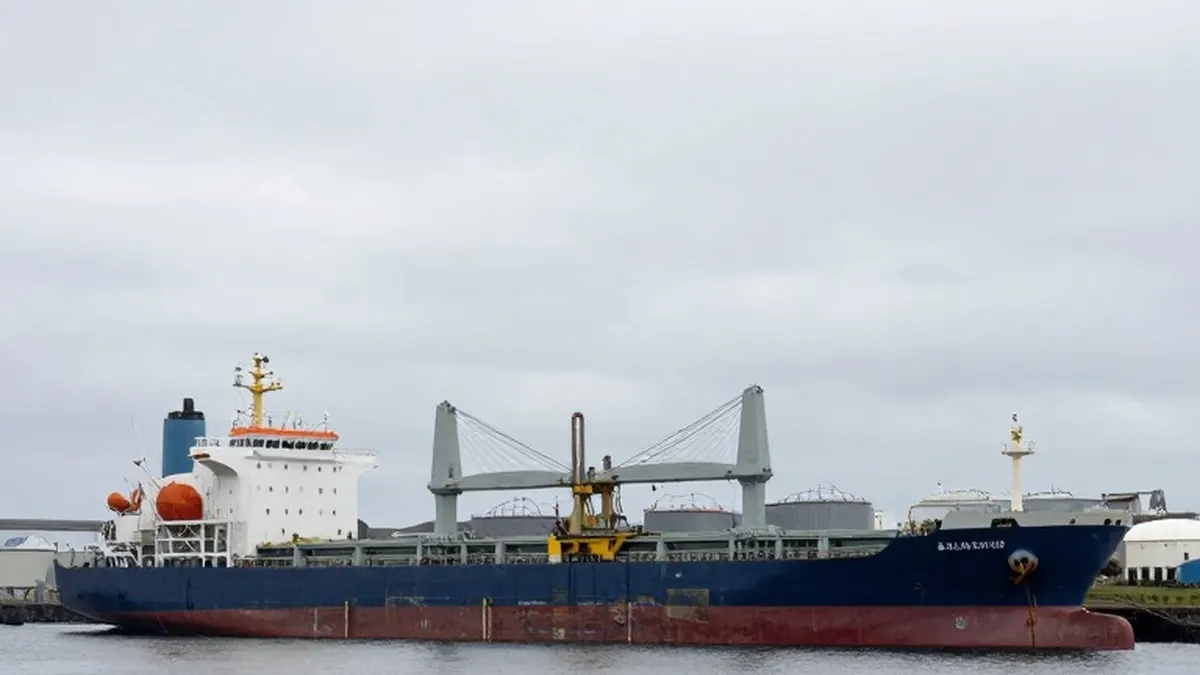
Aughinish Alumina, Europe’s largest alumina refinery, regularly exports directly to St. Petersburg and other Russian ports. Alumina remains outside European sanctions, allowing the trade to continue almost five years after Russia launched its full-scale invasion of Ukraine. Shipping records from MarineTraffic analyzed by The Associated Press showed a continuing flow of vessels from Aughinish to St. Petersburg.
Alumina is refined from bauxite and can be smelted into aluminum. Its applications range from consumer products to military equipment. Aluminum alloys are used in missiles and aircraft, while aluminum also plays a role in producing rocket fuel and explosives. The activist group Alumina 22 estimated that Ireland shipped 491,307 metric tons of alumina to Russia between March and October.
The refinery was acquired in 2007 by Russian aluminum producer Rusal, which was founded by and remains partly owned by sanctioned oligarch Oleg Deripaska. According to the U.S. and Australian governments, Rusal produces virtually all Russian aluminum. A 2026 report by the Economic Security Council of Ukraine said Ireland now provides about 17% of Rusal’s alumina supply.
An investigation published earlier this year by the Organized Crime and Corruption Reporting Project and the Irish Times traced Aughinish alumina to Russian aluminum production. It found that some of the resulting metal was sold to a trading company supplying Russian defense contractors. EU sanctions envoy David O’Sullivan said last month that, after reading the Irish government’s report, he believed the journalists’ findings were correct.
Irish minister Niall Collins told AP there was no evidence linking the shipments to military supply chains. Aughinish Alumina also denied any connection and said an independent company conducts monthly audits for Irish authorities to improve traceability. However, Enterprise Minister Peter Burke said in July that Ireland could not establish whether Rusal’s claim that the material was used only for aluminum exported from Russia was true.
The Irish government has submitted its findings to the European Commission but has not released them publicly. The European Parliament backed a non-binding call for an export ban in July, yet alumina was excluded from the EU’s 21st sanctions package that month. The commission is consulting member countries about the exports. Any sanctions require agreement from all 27 EU nations.
Supporters of the refinery emphasize its hundreds of jobs and its importance to European alumina supplies. The commission has described sanctions decisions as a balance between weakening Russia’s war effort and limiting harm to EU members, particularly when critical raw materials are involved.
Opposition Labour Party leader Ivana Bacik favors temporarily nationalizing the refinery, ending Russian shipments and seeking buyers elsewhere in Europe. In nearby Foynes, retired docker Joe Hanlon acknowledged the plant’s importance to employment but said the government should intervene if Ireland wants to help stop the war in Ukraine.