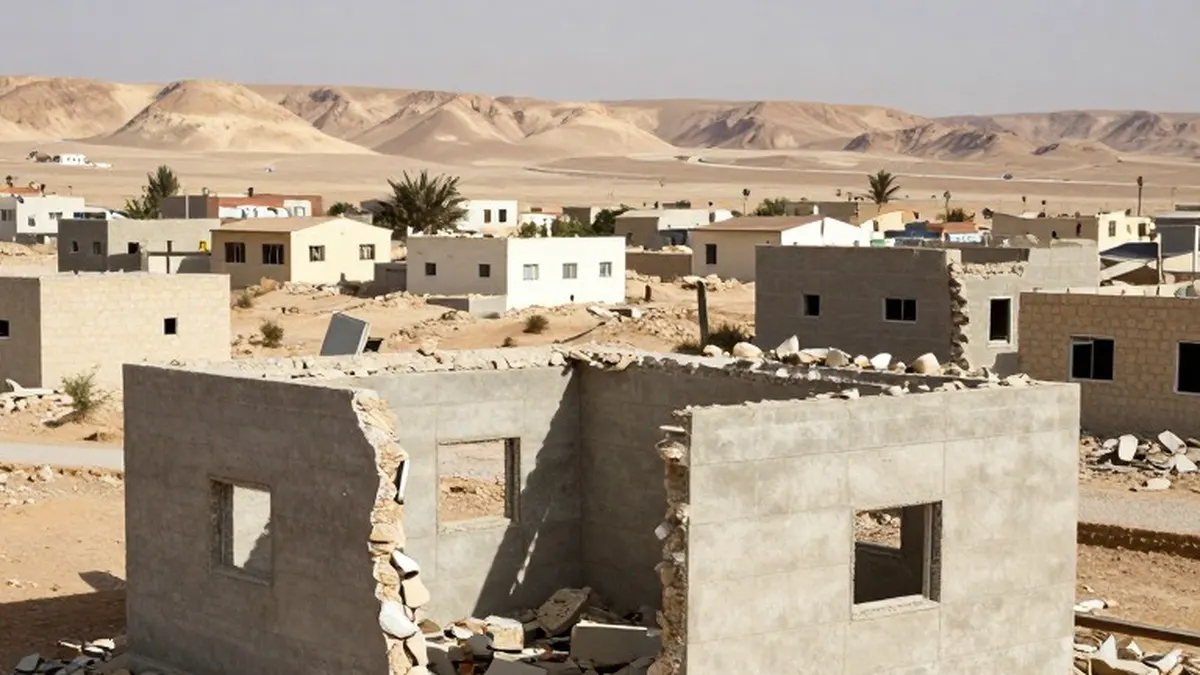
An overnight airstrike on a hospital in the Gaza Strip has killed at least six people, according to local authorities. The target was the Nasser hospital in Khan Yunis, which the Israeli military said was being used as a command center by senior Hamas officials. The attack has intensified debates over the protection of medical facilities during the ongoing conflict.
The Israeli Defense Forces issued a statement on Thursday explaining the rationale behind the strike. They identified a senior Hamas member named Muhammad Abu Ismail as the primary target. The military claimed that Hamas was operating within the hospital complex, using it as a hub for military and terrorist activities against Israeli troops and civilians.
According to the Israeli military, Abu Ismail was responsible for directing attacks and holding hostages captive throughout the war. The forces stated that the hospital was being utilized for storing weapons, conducting interrogations, and housing militants. They noted that the site also contained command and control rooms, although they did not provide specific evidence in their initial statement.
Gaza's civil defense service confirmed the death of at least six individuals in the blast. Among the casualties was a surgeon. More than twenty others were reported wounded. The service described severe damage to several floors of the building, with parts of the structure destroyed or heavily compromised by the explosion.
The Gaza Health Ministry specified that the strike hit the surgery department of the hospital. They named Rizk Abu Sharia, a surgeon, as one of those killed. Footage from inside the facility showed extensive destruction, with debris scattered across rooms and medical equipment damaged. Firefighters were seen working to clear the scene while wounded patients were treated amid the wreckage.
Hamas has condemned the strike, describing it as a fully-fledged war crime. The group maintains that hospitals are protected under international humanitarian law during times of war. However, this protection can be lost if a facility is used for military purposes, a point frequently cited by the Israeli military in such incidents.
This incident is part of a broader pattern of attacks on medical facilities in Gaza since the war began in October 2023. At that time, Hamas-led militants attacked southern Israel, killing around 1,200 people and taking 251 hostages. The conflict has since resulted in the death of more than 74,000 people in Gaza, according to figures from the Health Ministry that are generally considered reliable by the international community.
The human impact of the war remains severe. More than 1.6 million residents, out of a total population of 2.1 million, now live in tents or other makeshift shelters. A ceasefire was agreed upon in October 2025, but hostilities have not fully ceased. Israel argues that Hamas is using the lull to regroup, while the militant group claims it is committed to the agreement and accuses Israel of undermining it.
Hamas is recognized as a terrorist organization by the European Union, the United States, and several Arab states. The recent strike on the Nasser hospital adds to the complexity of the ceasefire negotiations and highlights the continuing risks to civilians and medical staff in the enclave.