In November 2023, Israel's Health Ministry asked administrators at Holon's Edith Wolfson Medical Center to admit and treat 10 elderly female hostages who were about to be freed from Hamas captivity in Gaza. The request had no precedent. When militaries take prisoners of war, the captives are generally healthy young soldiers, but the 251 people abducted during the Hamas-led massacre of October 7, 2023, were mostly civilians ranging in age from 9 months to 85 years.
With no existing medical protocols for such a scenario, Israeli hospitals had to create their own. Dr. Amir Nutman, deputy director of Wolfson, told The Times of Israel that staff had no information about the condition in which the hostages would arrive. "Medical information about them was nonexistent," Nutman said. "We started thinking, and we started planning."
Nutman is the lead author of a peer-reviewed study recently published in the medical journal Healthcare. The study details how the hospital developed and implemented a multidisciplinary clinical framework addressing acute trauma, chronic neglect, nutritional rehabilitation and psychiatric stabilization. Based on Wolfson's experience treating released hostages during the first ceasefire with Hamas in late November 2023, it offers a pioneering blueprint for repatriating civilians during conflict.
Prof. Noa Eliakim-Raz, head of the Returning Hostages Unit at Clalit-Beilinson Hospital, which received 14 hostages, said Israel's healthcare system "mobilized in an extraordinary and unprecedented way" as early as October 7, despite ordinarily struggling with staff shortages and limited resources. Between November 24 and December 1, 2023, 105 civilian hostages were freed during a weeklong truce mediated by Qatar, Egypt and the United States. The Health Ministry coordinated with hospitals across the country, including Wolfson, Soroka, Sheba, Ichilov, Shamir and Schneider Children's Medical Center, and the centers shared and refined protocols according to the populations they expected.
Wolfson took in 10 women aged 29 to 85, with a median age of 67, who had been held between 48 and 55 days in subterranean tunnels and locked apartments. Eight had close relatives murdered on October 7, and all came from Gaza border communities that had been decimated or destroyed. To prepare, staff ran extensive simulation drills with actors, rehearsing scenarios such as admitting an unstable patient, managing suspected sexual assault and delivering news of slain family members. Psychological debriefing teams were arranged to shield medical staff from secondary traumatic stress and compassion fatigue.
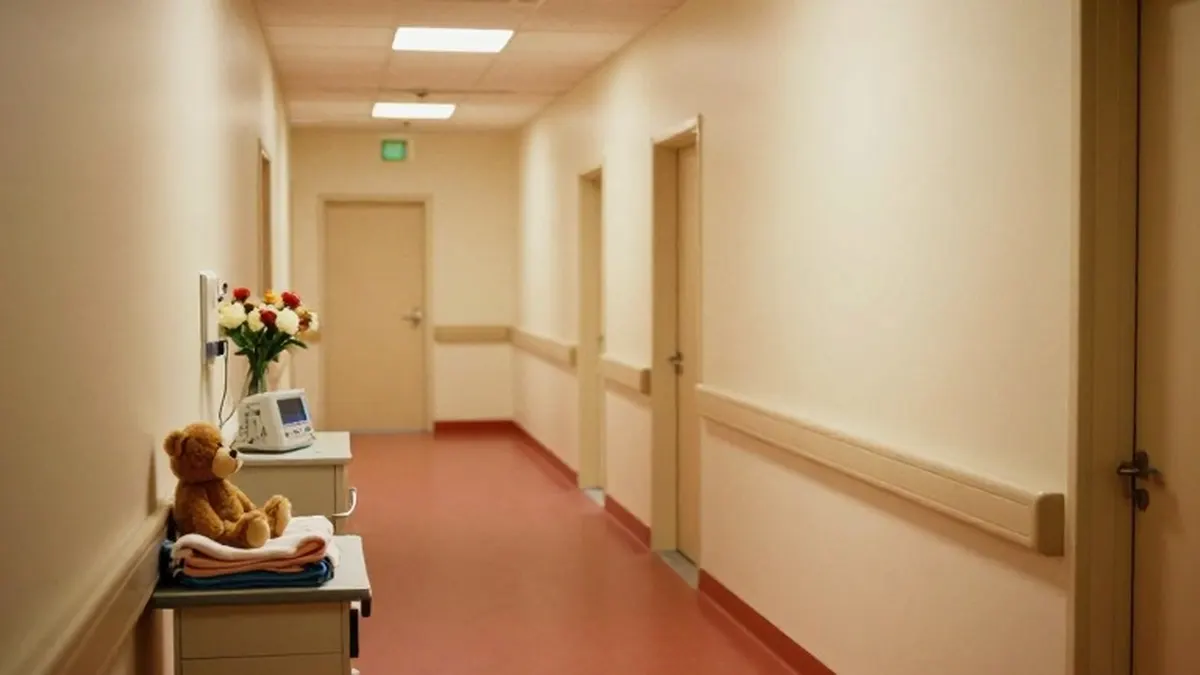
Every operational detail was studied, down to how to bypass the main entrance to protect the women from cameras and crowds. "We had them arrive through the back door and simulated their entrance," Nutman recalled, describing how a narrow, dark path was repainted, fitted with bright lighting and covered with a red carpet after a staff member warned it could evoke the tunnels. An entire ward of the Sylvan Adams Children's Hospital became a secure repatriation wing, with intensive care monitors and emergency equipment hidden behind domestic furnishings and flowers. Teddy bears were given to the returning hostages.
Nutrition posed a mortal risk. Staff initially imagined welcoming the women with a feast, but learned that could be fatal: in severely malnourished patients, heavy carbohydrate loads can trigger refeeding syndrome, causing acute heart failure, seizures and sudden death. Transit teams were instructed to offer only water, a plain cracker or a small slice of apple, and feeding at the hospital began only after urgent electrolyte panels and under strict caloric limits. The caution proved critical, since half the women arrived at high risk for refeeding syndrome, having lost up to 25 percent of their baseline body weight, with a median loss of 9.6 percent.
Restoring autonomy was the other central directive. Because the women had been held underground and disoriented about time, each received a wristwatch. An optometrist and audiologist replaced confiscated eyeglasses and broken hearing aids within hours, grooming services addressed burnt and cut hair, and kits with clean clothing, toiletries and lice treatments were prepared. For one woman terrified by memories of guards bursting into her room, a strict "Do Not Enter" notice was posted and staff waited for family permission to enter. One patient's dog was brought to visit, complete with a dog bed and food.
Although television broadcasts of the handovers showed many women walking unassisted, clinical records revealed serious emergencies. Seven of the 10 had sustained direct trauma on October 7 or in captivity, including shrapnel lacerations and untreated fractures, and eight had chronic illnesses that had gone weeks without medication. Doctors documented racing heartbeats, blood clots from forced immobility, blood pressure spikes, hormone and blood sugar imbalances, chronic diarrhea, a waterborne bacterial infection, pressure ulcers and fungal skin infections. Specialized gynecologists and forensic examiners offered trauma-informed support and the option to document evidence of sexual violence for international war-crimes records without pressure to undergo examinations.
The women remained hospitalized from 24 hours to five days, longer than ordinary practice would dictate, because their destroyed kibbutzim left them no homes to return to. "We realized that our job wasn't just physical medicine; it was shielding them," Nutman said. Eliakim-Raz praised the study as doing "an outstanding job of describing the moving reception and intake program for returning hostages." Nutman said Wolfson will not enroll the women in formal longitudinal studies, noting, "They suffered enough." He said the protocols were published so humanitarian teams facing similar crises elsewhere can provide better treatment.