The Israeli military announced on Wednesday that it had initiated a ground operation in a central section of the Gaza Strip. This area is currently under the control of Hamas. The move marks a significant escalation in military activity in the region.
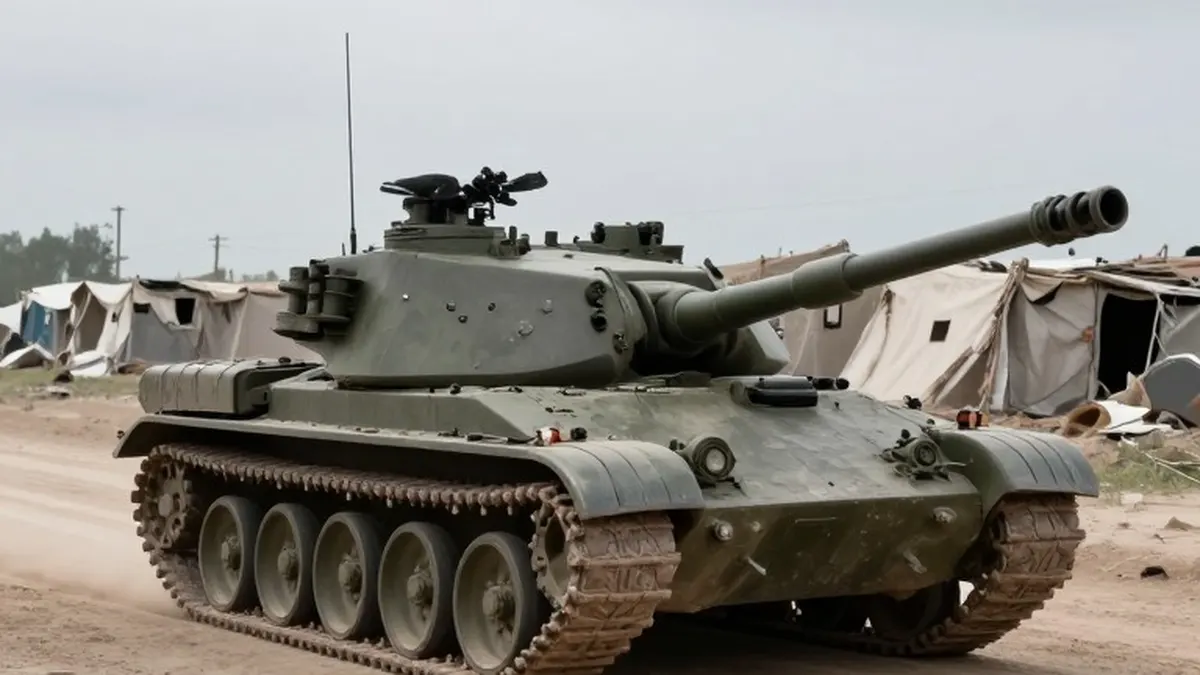
According to reports from the field, an AFP journalist observed Israeli tanks positioning themselves on the eastern side of the Nuseirat refugee camp. The presence of heavy armor in this specific location highlights the tactical focus of the ongoing operation.
This incursion is considered unusual in recent history. Ground operations of this nature have been relatively rare, making the current deployment a notable development for observers tracking the conflict.
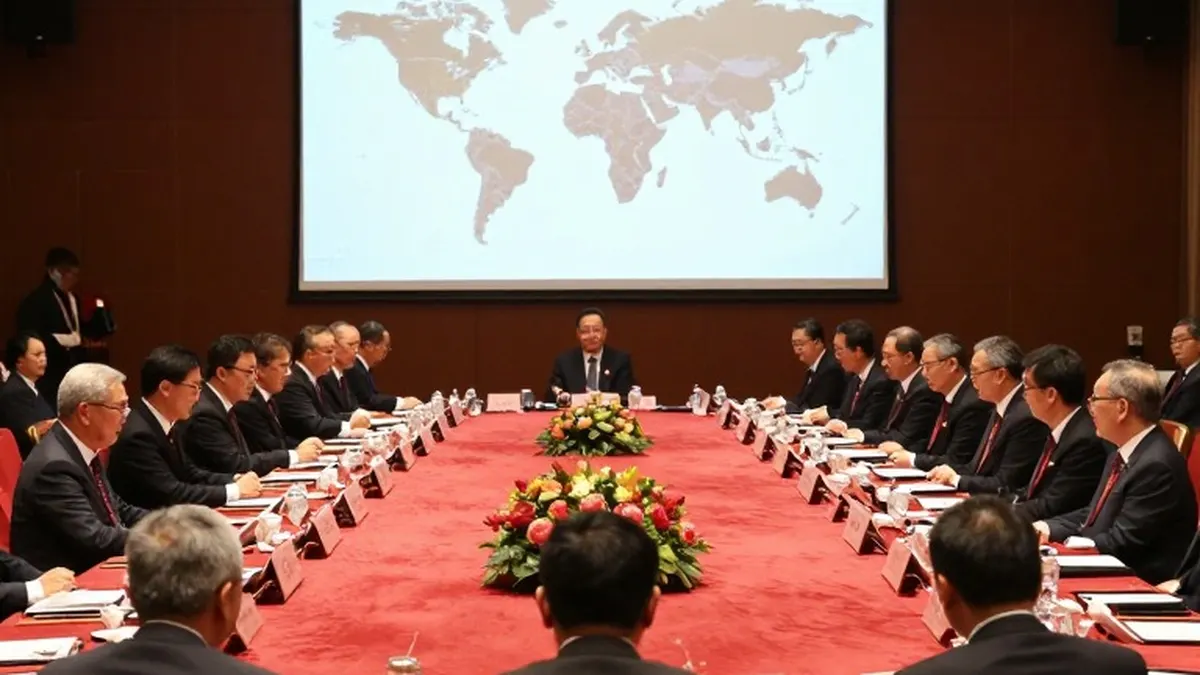
The military action arrives at a pivotal moment in Israeli domestic politics. It follows a recent round of elections that ended without a clear winner. The inconclusive results have left the country in a state of political flux as various parties attempt to negotiate a path forward.
The opposition is currently led by Gadi Eisenkot, who is working to assemble a new government. His efforts are being made without the inclusion of the caretaker prime minister, Benjamin Netanyahu. This exclusion is a central point of contention in the current political landscape.
Benjamin Netanyahu has long built his political identity around a promise to guarantee Israel's security. Critics and supporters alike are watching closely to see how the new leadership approach will differ from his established security policies.
As the tanks advance near the Nuseirat camp, the broader implications for the civilian population in central Gaza remain a key concern. The area has historically been a hub for displaced residents and humanitarian activity.
Political analysts suggest that the timing of the operation may be linked to the shifting power dynamics in Jerusalem. With a potential change in leadership on the horizon, the military may be acting to establish strategic objectives before a new administration takes full control.
The situation remains fluid as negotiations continue in the background. The outcome of the government formation process will likely dictate the future trajectory of both domestic policy and military strategy in the coming weeks.
Residents and international observers are monitoring the developments closely. The deployment of tanks in such a prominent location serves as a stark reminder of the ongoing tensions in the region.