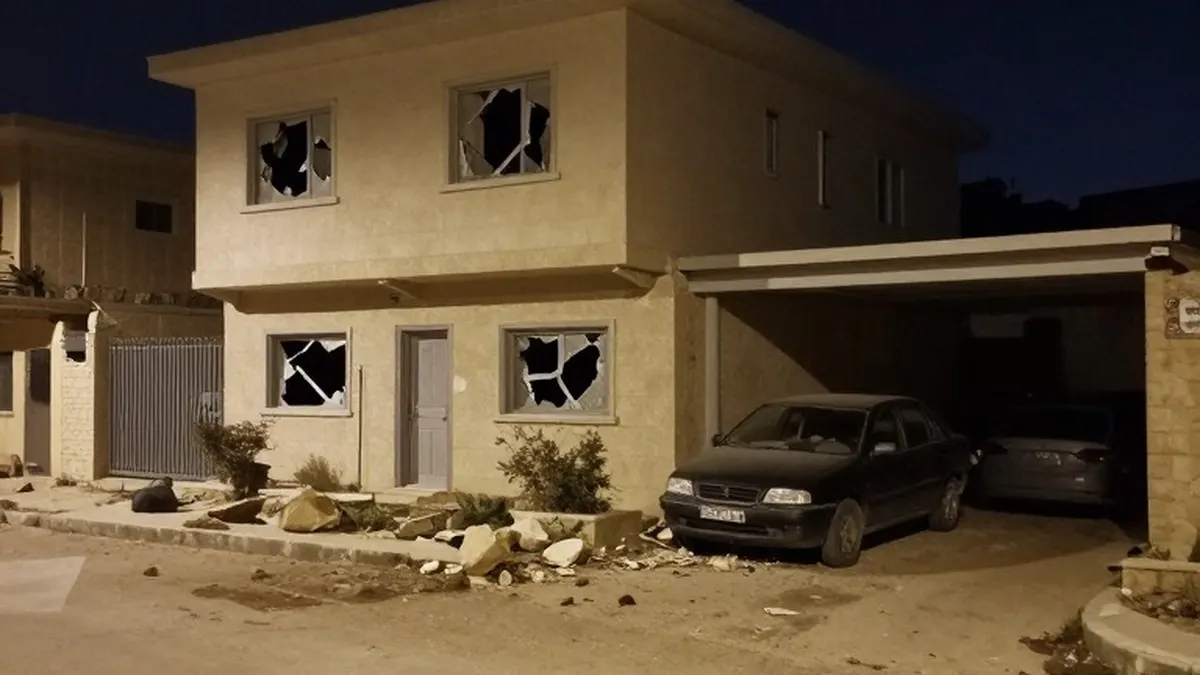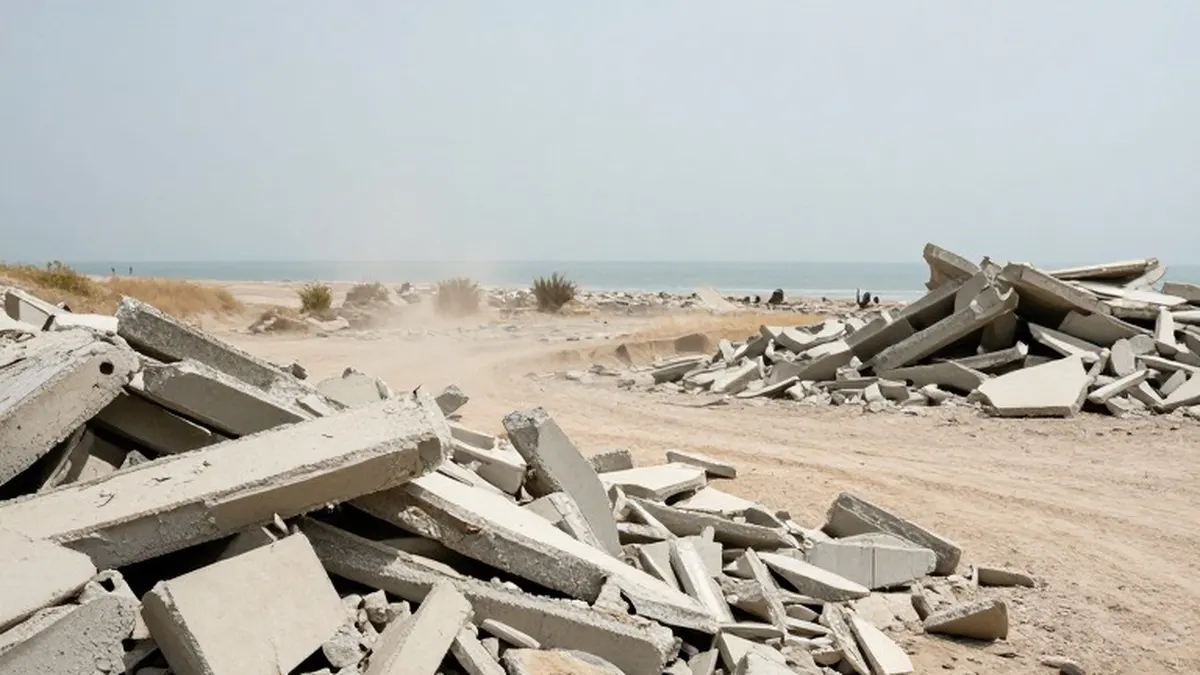
A report published on Monday by the humanitarian organization Oxfam describes the Gaza Strip as a toxic wasteland, citing a humanitarian and environmental catastrophe caused by the excessive use of explosive weapons during the war against Hamas. The study highlights that the territory is now burdened with a complex mix of contaminants that threaten the health of its population.
The research, conducted in partnership with the Conflict and Environment Observatory, utilized satellite imagery, remote sensing, and geolocated conflict data to map areas of likely pollution. The researchers estimate that Israeli ground operations affected approximately 283 square kilometers, which represents 78 percent of Gaza’s total land area of 365 square kilometers. The study identified at least one potential source of contamination in more than 99 percent of the enclave.
Specific areas with the highest levels of potential pollution include Gaza City, Khan Younis, Rafah, and Jabalia. The Salah al-Din Road, the main highway connecting the north and south of the territory, was also flagged as a high-risk zone. The report notes that many munitions failed to detonate and remain buried in rubble, soil, and farmland. These unexploded devices pose a risk of exploding during clearance operations, while their corroding casings can leak chemicals and heavy metals into the ground and water supplies.
The environmental damage extends to water and air quality. Oxfam reported that about 85 percent of Gaza’s water infrastructure has been damaged or destroyed. Tests conducted in July 2026 found fecal bacteria in nearly ten times the proportion of wells compared to 2021. With all sewage treatment plants destroyed, raw sewage flows directly into streambeds and the Mediterranean Sea. Additionally, fires and collapsed buildings release particles that settle on debris and are stirred up by wind and vehicles.
The study warns that clay-rich soils in areas such as Beit Hanoun, Wadi Gaza, and the northeast of Khan Younis are likely to retain pollutants for extended periods. This poses a risk to future food production, as contaminated produce could be consumed if farming recovers. The destruction of laboratories and monitoring systems, along with restrictions on testing equipment, means that much of this environmental harm may go undetected for years.
Health risks from air, water, and soil pollution are described as long-term, potentially leading to increased rates of chronic lung disease, cancer, heart disease, and kidney or liver damage. Neurological harm and hormone disruption are also cited, with pregnant women and young children facing extra danger. Workers involved in clearing debris are particularly exposed to hazards such as asbestos and silica dust.
Oxfam has proposed a five-stage recovery framework that begins with immediate exposure reduction and tightens safeguards as reconstruction projects become more permanent. The organization is calling for Israel to lift restrictions on the entry of aid, assessment teams, and materials such as laboratory equipment and water-treatment supplies. It also urged Israel to disclose the types, quantities, and locations of munitions used in the conflict.
The report suggests that the United Nations Environment Program should support a full, independent, and field-based assessment of the Strip. Israel currently restricts thousands of items with dual civilian and military uses, stating they could be repurposed by Hamas to rebuild tunnels or manufacture rockets. Israeli officials have indicated that proper reconstruction can only begin once Hamas disarms, a step the group has so far refused to take.