Iran has rejected accusations from Kuwait and Italy that it was responsible for a drone attack that killed two Italian technicians at a Kuwaiti military installation on Thursday. The men were the first European civilians killed in the United States-Israel war on Iran, which began in late February. Tehran has suggested the attack was staged to implicate it, a claim that remains unsupported by evidence.
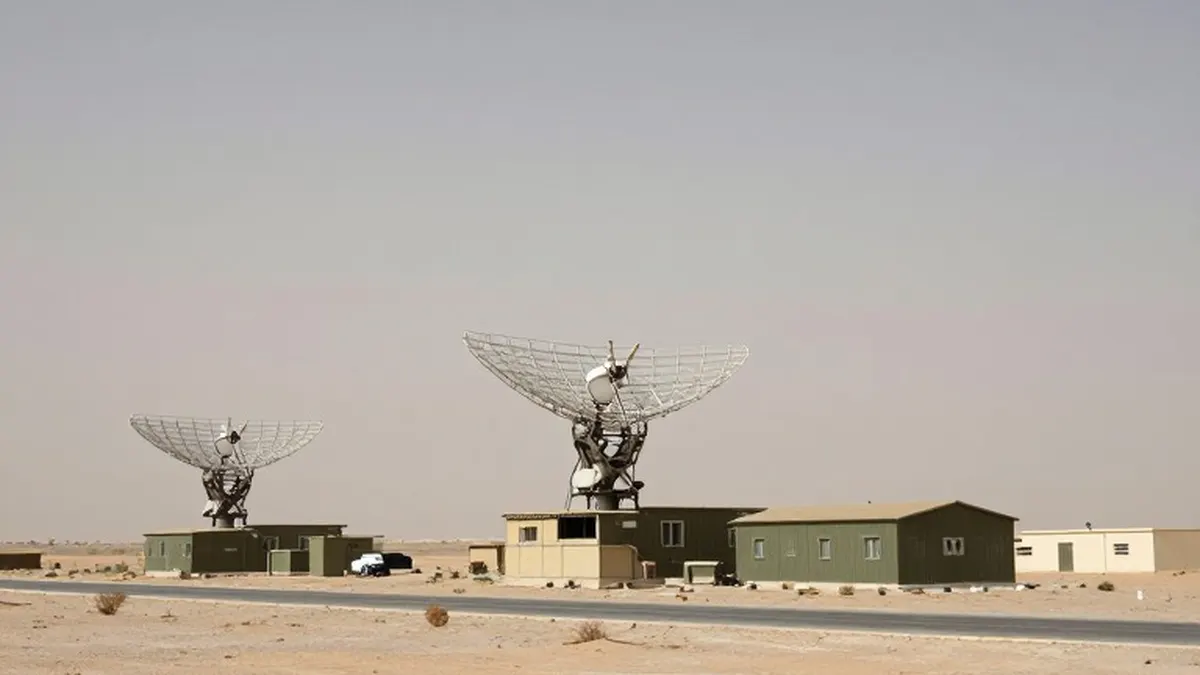
Italian Foreign Minister Antonio Tajani told the Senate that several drones targeted military installations, including an air-defence detection station. Italian media identified the victims as Antonio Saccoccio, 65, from Formia, and Emanuele Lo Russo, 36, from Rome. Both worked for Rheinmetall Italia and were maintaining detection antennae for Kuwait’s Skyguard air defence system. Kuwaiti and Italian reports said falling shrapnel killed them after the drones were intercepted. A Kuwaiti national and a Pakistani national were injured.
Kuwait condemned the attack and said it reserved the right to protect its sovereignty and the safety of citizens and residents. Tajani described the drones as Iranian in origin. Iranian Foreign Minister Abbas Araghchi denied involvement in calls with his Kuwaiti and Italian counterparts and proposed a joint investigation, according to Iran’s foreign ministry. Iran’s military also denied carrying out operations in the region, while its embassy in Rome suggested the attack could have been intended to draw Europe into the conflict.
The denial differs from Iran’s usual response to strikes on Gulf neighbours, which it has generally defended as attacks on American military assets undertaken in self-defence. Tehran issued five statements claiming strikes on neighbouring countries in November, including four concerning Bahrain and Kuwait. It said its latest attack on Kuwait took place on November 18. However, Iran also denied responsibility for a March 30 strike on a Kuwaiti power and desalination plant that killed an Indian worker.
Analysts differed over what the denial indicated. Hassan Ahmadian, a University of Tehran professor, argued that Iran’s history of announcing its attacks gave weight to its rejection of responsibility. Muhanad Seloom of the Middle East Council on Global Affairs cautioned that a drone’s Iranian manufacture does not establish who launched or ordered it. He identified an Iraqi armed faction as the leading alternative suspect and said debris, radar records and evidence of the launch location were needed to determine responsibility.
Abdullah al-Shayji, a Kuwait University professor, argued that the victims’ nationality and the location explained Iran’s response. Killing Italian technicians at a Kuwaiti site, he said, undermined Tehran’s assertion that it targeted only American military facilities. Seloom offered two possibilities: Iran had either not ordered the attack or considered accepting responsibility too costly because of the potential reaction from Europe and Gulf governments.
Seloom said European involvement in combat was unlikely, predicting sanctions and additional defensive assistance for Gulf countries instead. European Commission President Ursula von der Leyen called for greater pressure on Tehran, while Italy lodged a complaint with Iran’s embassy and urged caution. The technicians’ deaths also highlighted the exposure of Europeans supporting Gulf defence systems.
The attack adds pressure to stalled diplomatic efforts. US President Donald Trump has said he will not consider resuming military action until early next year. Iran insists seven conditions must be met before nuclear negotiations, including sanctions relief and guarantees that US strikes will end. Seloom said indirect exchanges through Qatar and Pakistan remained active on Thursday, but continued attacks on Kuwait threatened the prospects for diplomacy.