JetBlue Airways has announced an increase in the cost of checking bags for a significant portion of its customer base. This marks the third time the carrier has raised these specific fees in less than a year. The move comes as the airline industry continues to grapple with the financial pressure exerted by high fuel prices, which are eroding profit margins across the sector.
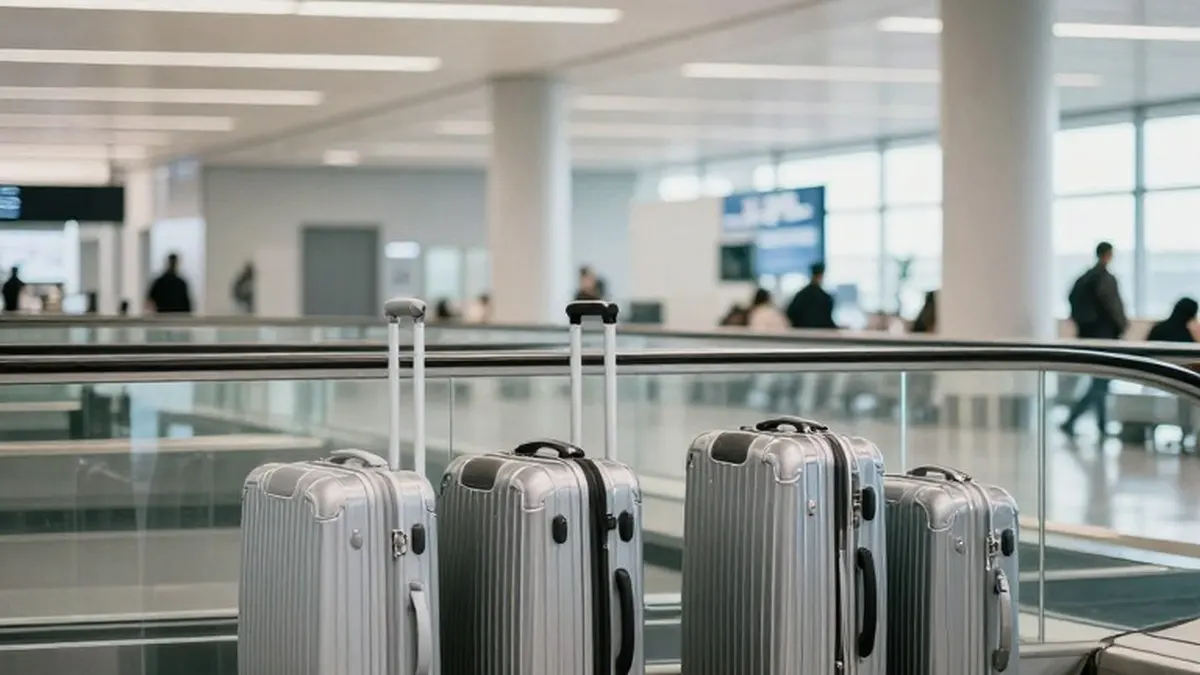
For travelers booking in economy class, the new pricing structure sets the fee for the first checked bag at $50 if purchased more than 24 hours before departure during a non-peak travel period. This represents an increase from the previous rate of $45. If the fee is paid within 24 hours of the scheduled departure, the cost rises to $60.
During peak travel periods, such as the summer months or the holiday season, the pricing is higher. The fee for the first bag will now be $55, up from the prior rate of $49, when purchased more than 24 hours in advance. For those paying within 24 hours of departure during these busy times, the fee will be $70.
Not all passengers will be subject to these new charges. Exceptions apply for customers who hold elite status in the frequent flyer program or who possess a co-branded JetBlue credit card. These groups are typically exempt from standard checked bag fees.
In a statement addressing the changes, JetBlue explained that the fee adjustments are intended to help offset rising fuel and operating costs. The airline noted that this strategy allows it to keep base fares competitive while providing customers with the option to pay for checked luggage only when necessary.
The primary driver behind these fee increases is the volatility in jet fuel prices. Fuel is the second largest cost for airlines, trailing only labor expenses. Since the start of the Iran war in February of this year, the price of jet fuel has roughly doubled. This surge has cost the industry billions of dollars and has contributed to higher ticket prices for consumers.
According to data from the U.S. Energy Information Administration, jet fuel was trading at $4.44 per gallon on Tuesday for the U.S. Gulf of Mexico region. This significant increase in input costs has forced carriers to seek additional revenue streams to maintain financial stability.
Historically, when one major carrier raises ancillary fees, others often follow suit. Earlier this year, several other major U.S. airlines increased their own bag fees after JetBlue initially raised its rates. This pattern suggests that the current price hike may set a new benchmark for the industry.
The details of the new fee structure were first reported by the Thrifty Traveler blog before being confirmed by the airline. As the holiday travel season approaches, passengers are advised to check their specific fare rules to determine if they are exempt from the new charges.