Federal judges in Washington D.C. have issued temporary restraining orders that pause construction on two major projects associated with President Donald Trump. These short-term legal victories offer a brief respite to opponents of the 250-foot arch planned for Memorial Circle and the redevelopment of the East Potomac Park golf course.
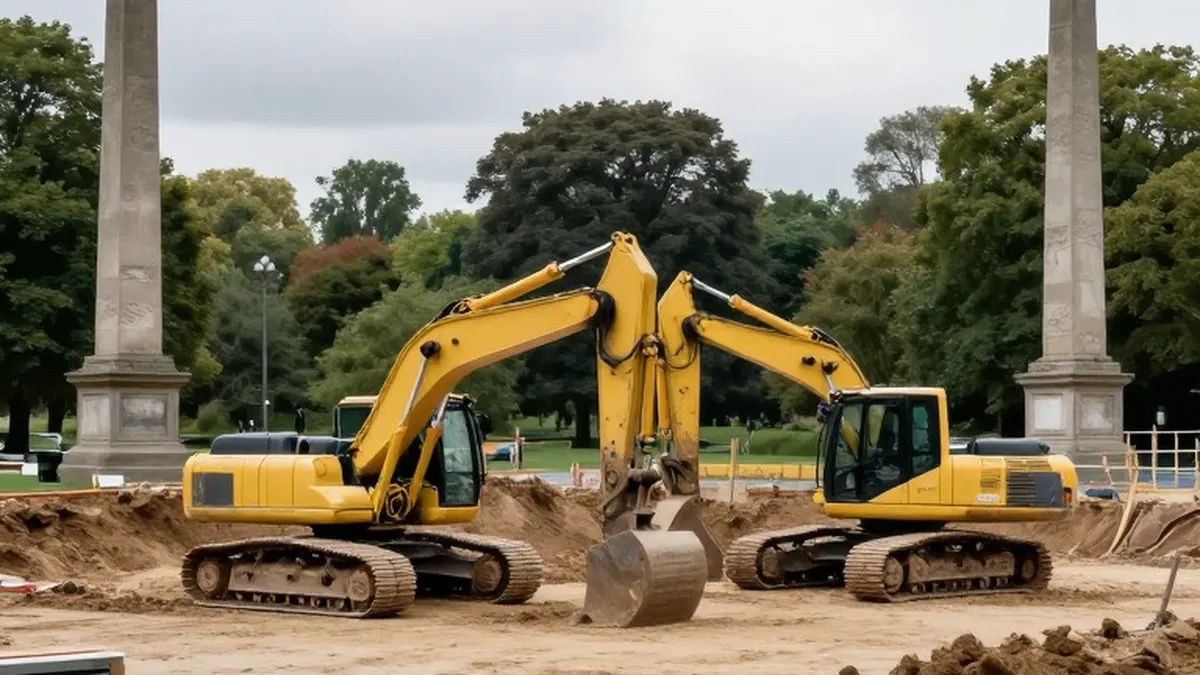
District Judge Tanya Chutkan extended her order blocking work on the arch on Wednesday, the day before the previous restriction was set to expire. The new five-page order prevents the administration from starting excavation, demolition, or other construction activities through December 3. Chutkan originally stepped in on November 5, after federal planning agencies granted final approval for the structure. The extension provides time for the court to consider a request for a longer-term preliminary injunction.
The lawsuit challenging the arch has broadened its base in recent weeks. Originally filed by Vietnam War veterans and an architectural historian, it now includes the governments of D.C. and Virginia, as well as nine members of the Kennedy family. Max Kennedy, son of Robert F. Kennedy, argued that the arch violates established rules and will block historic sightlines to Arlington National Cemetery. Critics contend the project lacks necessary congressional approval, a position the administration disputes by citing a 1925 authorization for columns at the same site.
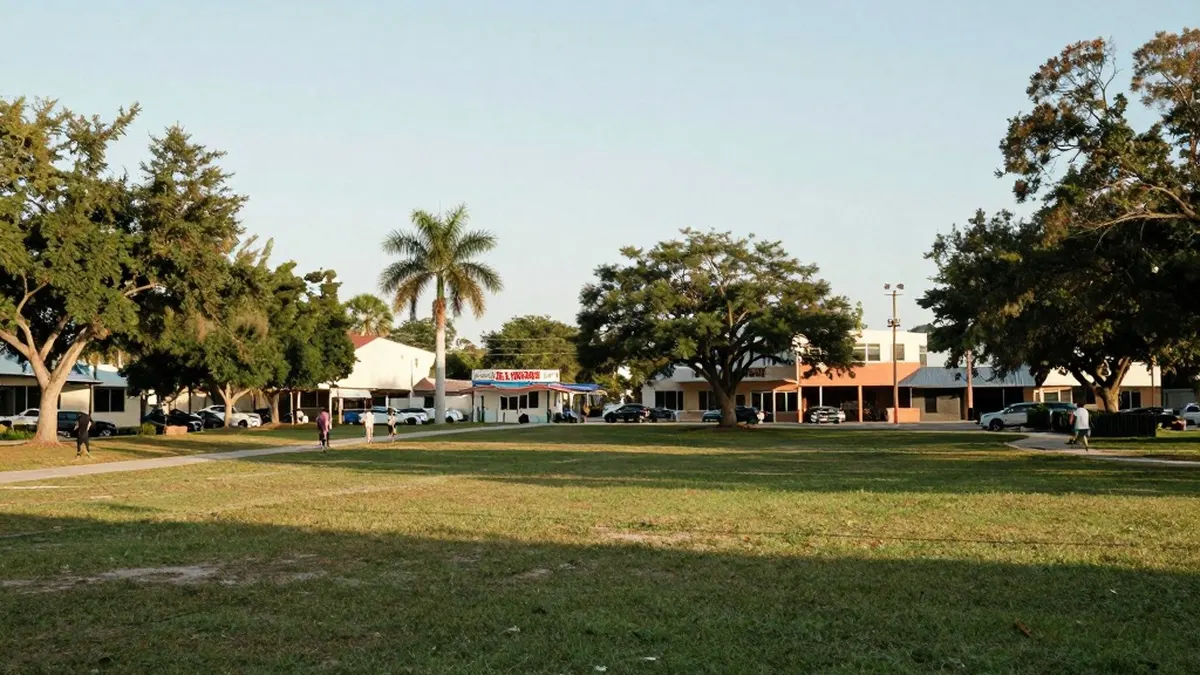
Meanwhile, Judge Ana Reyes has kept the East Potomac golf course open for two weeks, defying the administration's plan to close it indefinitely. Although the lease for the course operator expired on Sunday, locals have continued to play. The administration formally appealed Reyes' order on Wednesday. The current restraining order is set to expire on November 28, but plaintiffs have asked for a two-week extension to allow the judge to decide on a preliminary injunction.
The Interior Department presented its golf course plan to the Commission of Fine Arts on Thursday. While the commission did not have a quorum to vote, many public speakers expressed opposition to the proposal. Concerns included the loss of the park's perimeter loop, impacts on major road races, and the removal of historic cherry trees. Vice Chair Rodney Mims Cook Jr. urged the department to bring alternative designs to a late January meeting.
Tensions remain high between the courts and the executive branch. Trump has criticized Judge Reyes on social media, calling her decision political and arguing that the current course is unsafe. He emphasized that time is critical to avoid losing golf seasons and potential revenue. Government lawyers had previously asked Reyes to recuse herself, alleging bias, but she denied the request. She also ordered a misconduct inquiry into whether officials misled the court regarding the park's development plans.
The administration maintains that its plans are not yet finalized, yet it has already begun removing trees. Plaintiffs argue this action violates federal environmental laws by splitting the project into smaller parts to bypass reviews. The Department of the Interior noted that deferred maintenance alone would cost $43 million, though it did not specify the total renovation cost. The government plans to present the same proposal to the National Capital Planning Commission in early December.