The race for the Los Angeles mayoralty has entered a critical phase, with incumbent Karen Bass and challenger Nithya Raman trading blows in a tight contest that may remain undecided for days. Early returns suggest a near dead heat, keeping both campaigns in a state of high alert as election night unfolds. The uncertainty has created a charged atmosphere in both of their respective victory parties, where supporters await the final tally with mixed feelings of hope and anxiety.
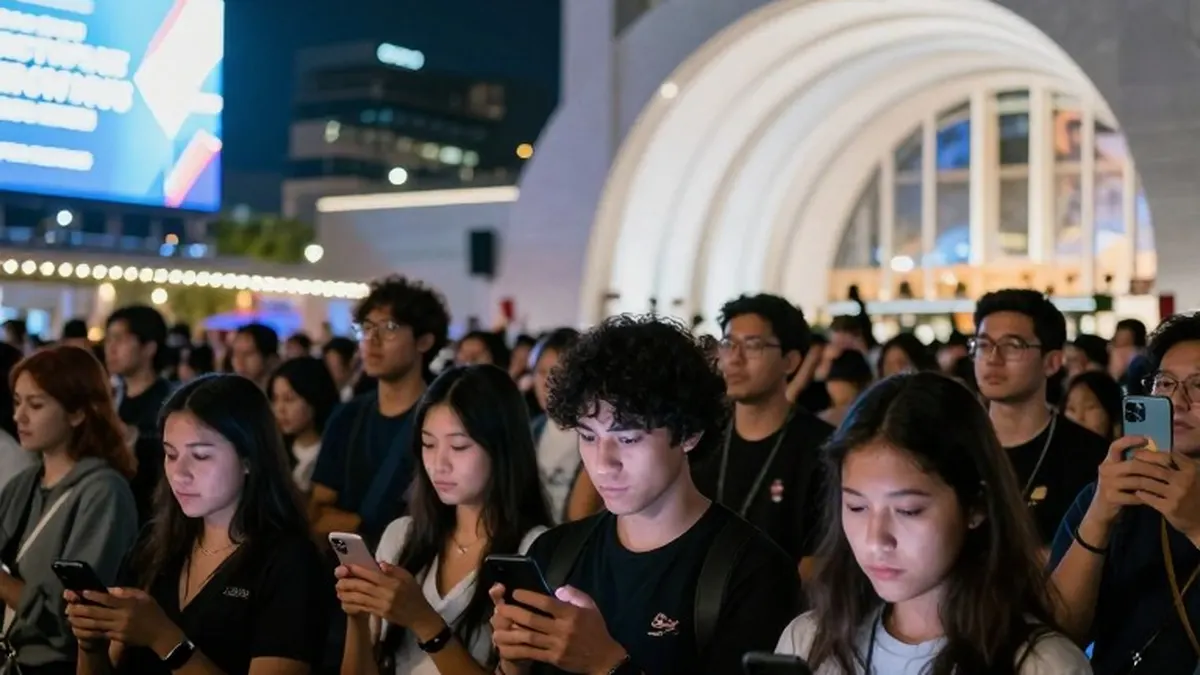
At her event in the plaza of the Greek Theatre, Raman’s supporters displayed a buoyant mood, celebrating broader Democratic victories in the South and East. The young crowd, clad in union shirts and local team caps, watched the polls on their phones while giant screens displayed updates. Raman addressed her audience shortly after 11 p.m., refusing to concede any ground to Bass. She described the current margin as razor-thin and expressed significant hope for a turnaround in the counting process.
Raman positioned herself as a disruptor of the local political establishment, arguing that the city government has long made problem-solving seem impossible. She highlighted Los Angeles’ status as a global cultural capital, drawing parallels between the city’s film history and its role in the birth of the internet. During her speech, she also acknowledged the criticisms of her leadership style with a self-deprecating grin, noting that she is often labeled as radical and divisive.
Meanwhile, Bass held her event at the Loews Hollywood Hotel, leading with the news of Democratic control of both the House and the Senate. She addressed the crowd around 9:30 p.m., acknowledging that counting votes in Los Angeles is a lengthy process. Despite the wait, she expressed confidence that her team would ultimately achieve victory, leading her supporters in a chant for four more years in office.
The Bass campaign maintained an air of regularity and confidence before the polls closed. Staffers arranged the ballroom with calm efficiency, engaging in light conversation and familiar rituals. Mark Ramos, chair of the Los Angeles Democratic Party, entered the hall with enthusiasm, declaring it a good day to be a Democrat. He noted that Bass had performed strongly in the closing weeks of the race and predicted a favorable return as the ballots were processed.
Key issues such as affordability, homelessness, and housing dominated conversations among voters. Yvonne Wheeler, chair of the Los Angeles County Federation of Labor, stated that organized labor was fully behind Bass for another term. Other voters cited trust and familiarity as primary reasons for their support, with some describing Raman as an inexperienced outsider who has lived in the city for only 13 years.
Michael Guy, a local consultant, argued that stability was crucial given the upcoming 2027 Super Bowl and 2028 Olympics. He suggested that while Bass was not his ideal candidate, a change in leadership might be risky. He described his support as a pragmatic choice, noting that Bass has a longer track record, for better or worse.
Both candidates have distinct approaches to the challenges facing the city. Bass has acknowledged past mistakes regarding civic disorder and the 2025 Palisades fire while warning that Raman’s left-leaning policies could be more disruptive. Raman, in turn, has attacked Bass’ record, specifically criticizing the slow response to the decline in film and television jobs. She has pledged to create a fully staffed film office and is backed by the Writers Guild of America West, whereas Bass has endorsements from the Hollywood Teamsters and other major guilds.
Both candidates have also committed to championing unlimited state-level tax credits for film and television production. They have further pushed for a federal tax incentive to ensure the United States remains competitive with other countries in the entertainment industry. As the night progresses, the focus remains on how these policy differences and voter perceptions will influence the final outcome.