King Charles III called the transatlantic slave trade a ‘shameful chapter of history’ during a speech Tuesday at the official opening of the Commonwealth Heads of Government Meeting in Antigua.
Charles spoke just days after British Prime Minister Andy Burnham said he is open to making a formal apology and proposed leading a program of debt restructuring to help the Commonwealth’s poorest countries, although he has rejected calls for the UK to pay reparations.
Charles said that the transatlantic slave trade ‘still casts a shadow over these islands and other members of our Commonwealth’ but did not apologize.
‘That shameful chapter of history is one that fills my heart with horror and my soul with the most profound personal sorrow, and yet, history also teaches us that evil not need have the last word, but character and courage can combine to overcome the most monstrous injustice,’ he said.
He noted that the Royal Navy played ‘a leading role’ in ending the slave trade and that he is finding ways to address the wrongs through improving access to education, investing in jobs, encouraging intra-Commonwealth trade and pushing for climate change resilience measures.
‘We cannot change the actions of those who came before us,’ Charles said. ‘We can, however, learn from the past.’
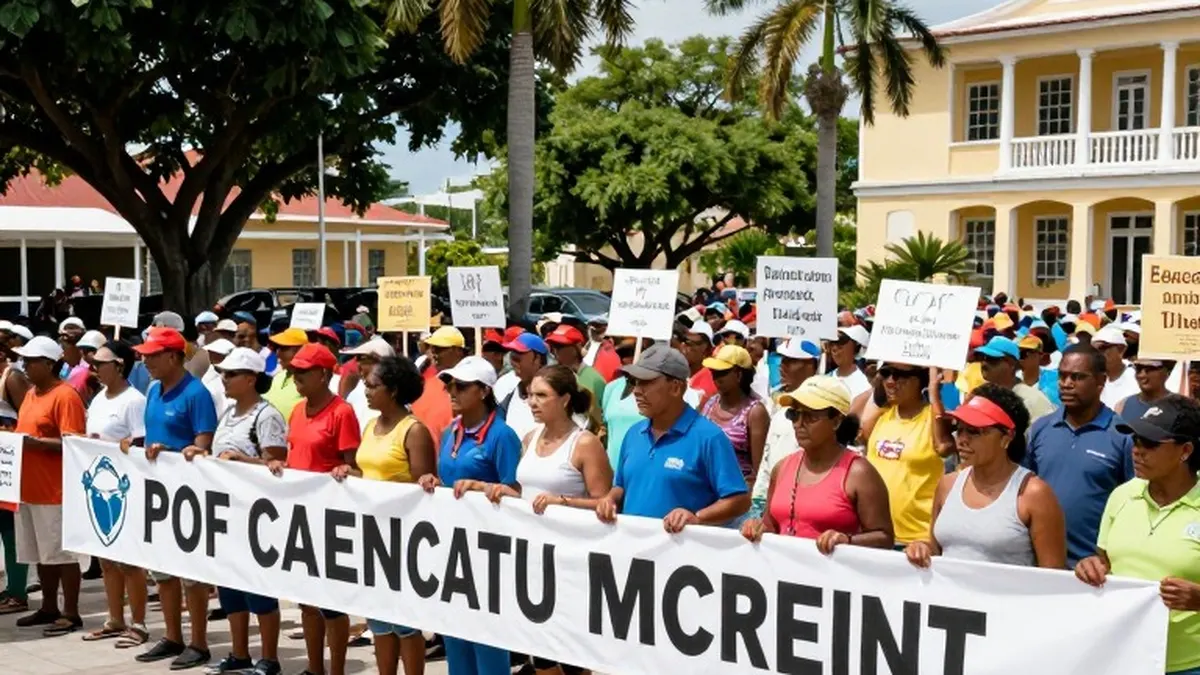
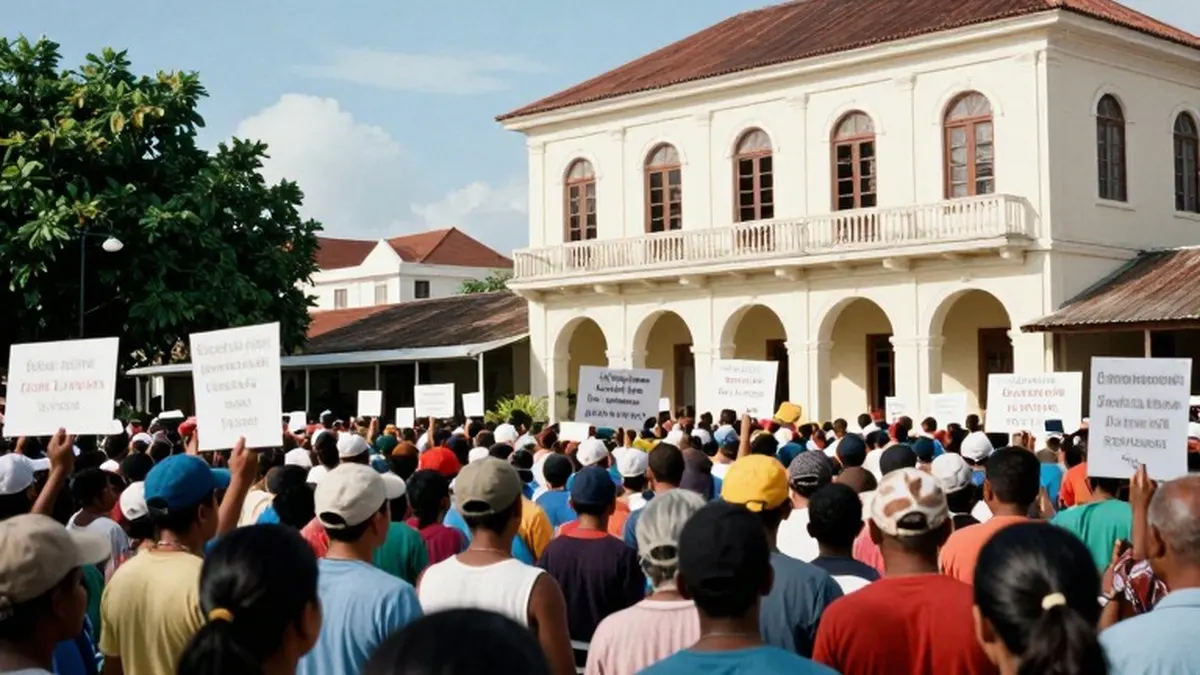
Ahead of his speech, a small group of protesters gathered outside the meeting, holding up signs that read ‘Acknowledge the wrong. Commit to repair’ and ‘You say you regret so apologize. Reparatory justice now!’
Among the protesters was Shana Michelle of Antigua.
‘Technically, we’re free, but mentally a lot of us aren’t,’ she said. ‘If you look at the way we speak about ourselves, our skin, our hair, how we describe ourselves, you can see we still have those vestiges of colonialism in our speech, and we have to get away from that.’
Michelle asserted that the British government knows what happened was wrong.
‘They don’t want to acknowledge it because then it would open them up to accountability for their actions,’ she said. ‘This is not just an apology. You have to apologize, yes. That is where we start with the repair.’