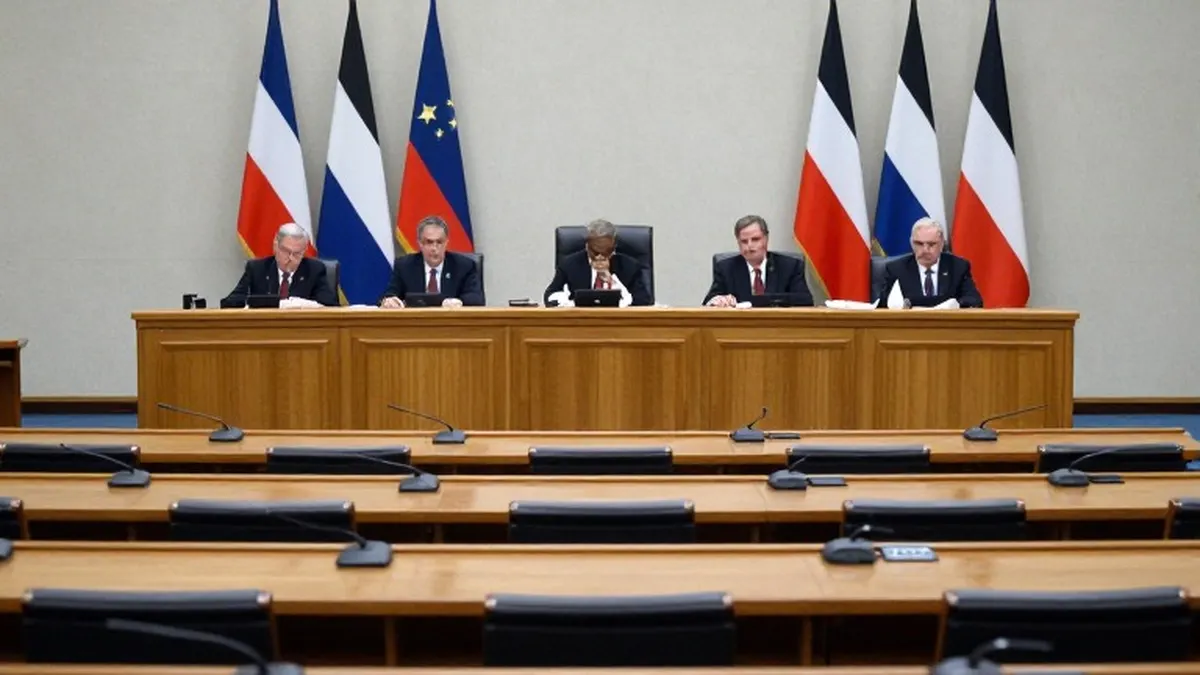
The Knesset elected Yashar MK Matan Kahana as its new speaker on Tuesday night, with the vote concluding at 66 to 52. The election followed a six hour filibuster orchestrated by lawmakers from Prime Minister Benjamin Netanyahu’s bloc. Their aim was to delay the assumption of the powerful parliamentary role by the coalition led by Yashar chairman Gadi Eisenkot. Kahana defeated Likud MK Ofir Katz in a process that involved two separate ballots.
Kahana, who ranked fifth on the Yashar list, secured the position with the support of four parties within the Eisenkot led bloc. These included Yisrael Beytenu, headed by MK Avigdor Liberman, B’Yachad, led by former prime minister Naftali Bennett, and the left wing Democrats, led by former deputy IDF chief Yair Golan. The victory was further solidified by the backing of the Arab majority Ra’am and Joint List parties. Together, these six parties hold 67 of the 120 seats in the Knesset, comprising 48 seats for the Eisenkot bloc and 19 for the two Arab parties.
A simple majority of votes cast was required for the election, rather than an absolute majority of 61 lawmakers. Only one opposition lawmaker, Ra’am MK Yasser Hujirat, was absent from the chamber. On the opposing side, Katz received the support of 52 of the 53 MKs in the Netanyahu bloc, with Likud’s Nir Barkat absent. The ultra Orthodox United Torah Judaism party voted in favor of Katz, a move that followed speculation they might have abstained.
The speaker role is central to determining the legislative agenda, working alongside deputy speakers on the Knesset Presidium to approve parliamentary business. With Kahana replacing Likud MK Amir Ohana, the Eisenkot bloc is expected to move quickly to repeal key elements of the previous Knesset’s judicial overhaul. However, reports indicate that the Eisenkot bloc promised not to advance these repeal laws until Monday, a compromise reached in exchange for the Netanyahu bloc agreeing not to extend the filibuster further.
During his inaugural address, Kahana emphasized the Knesset as the home of all citizens regardless of religion, race, or gender. He expressed hope that a future government would work toward necessary amendments to checks and balances with broad consensus. Until then, he stated that the Knesset would unquestioningly obey court rulings, a clear reference to the outgoing coalition’s frequent defiance of High Court decisions. He also invoked the Jewish school of thought of the House of Hillel, urging the parliament to move away from division and toward understanding those with whom they disagree.
The transition was marked by mixed reactions in the chamber. Kahana received applause from his allies and jeers from his rivals as he accepted the gavel from Ohana. Likud MK Almog Cohen and Otzma Yehudit MK Tally Gotliv were called to order multiple times for accusing the Eisenkot bloc of relying on what they termed terror supporters, a reference to the Arab led Joint List and Ra’am parties. Following the election, the Knesset voted 38 to 15 to appoint nine deputy speakers, including representatives from B’Yachad, Democrats, Yisrael Beytenu, Ra’am, Joint List, United Torah Judaism, Likud, Shas, and Otzma Yehudit.
Gadi Eisenkot celebrated the result, declaring that a new chapter had opened for the Knesset and that it would serve as an effective oversight body. Naftali Bennett hailed Kahana as an Israeli patriot, noting their shared military service and time in government between 2021 and 2022. In contrast, the Netanyahu bloc described the election as an eternal disgrace. A Likud statement criticized the appointment as unilateral, claiming it was secured with the votes of those who disparage the national anthem. Finance Minister Bezalel Smotrich and Communications Minister Shlomo Karhi also voiced strong disapproval, with Karhi using an Arabic term for leader to describe Kahana.
The election comes amid days of bitter exchanges between the rival blocs over the cooperation with Arab lawmakers. Likud and its allies accused the Eisenkot bloc of siding with what they called terror supporters by accepting the backing of Ra’am and the Joint List. Joint List chairman Yousef Jabareen reaffirmed his faction’s support for Kahana, stating that they were delivering on their promise to bring change. Ra’am declared that it would return statehood to the Knesset. These developments occur as Netanyahu and his allies continue to call for a national unity government while simultaneously attacking their rivals, and Eisenkot continues negotiations with Likud over a possible coalition.