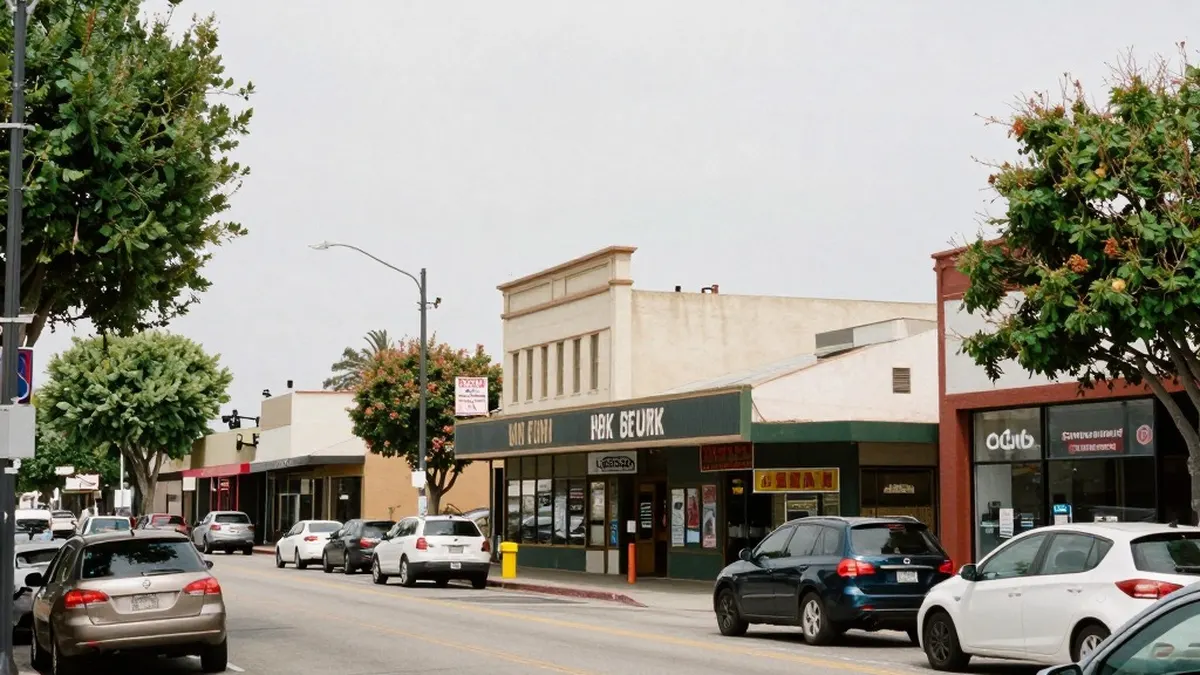
A plan to place automated license plate readers along Western Avenue has been put on hold after Los Angeles Council District 13 rejected a camera donation from Axon Enterprise. The district is instead exploring cameras without plate-reading technology, according to a spokesperson for Councilmember Hugo Soto-Martínez.
LAPD had proposed 18 cameras between Olympic and Santa Monica boulevards, a stretch that crosses Council Districts 13 and 10. Police said the equipment would provide live video and license plate recognition to help identify people involved in human trafficking and those targeting minors. The department initially suggested the cameras could operate by July, describing the project as part of anti-trafficking efforts ahead of the World Cup and the 2028 Olympics.
The department declined to offer updates during the summer. At a Wilshire Center-Koreatown Neighborhood Council meeting on Monday, Senior Lead Officer Harry Cho said there were no city-operated cameras on Western Avenue. He said the project had been expected to receive funding from both council districts, but CD13 had withdrawn its contribution. Senior Lead Officer Lucy Bermudez confirmed Thursday that installation had not happened and the project remained on hold.
CD13 spokesperson Andoni Elias Nava disputed the funding account, saying the district had never pledged money. He said Axon had offered the cameras as a fully funded donation to LAPD’s Olympic Station. Axon already supplies the department with body cameras, stun guns and other equipment. Nava said the district rejected the offer after learning it involved automated license plate readers. “We don’t want to see them in our district,” he said.
The alternative cameras under consideration would be maintained by the Bureau of Street Lighting. Soto-Martínez is expected to submit a proposal to the City Council before the end of the year. Nava said details, including the number of cameras, would be worked out over the coming months. Representatives for Axon and CD10 did not immediately respond to requests for comment.
Advocates for sex workers have warned that surveillance along the corridor could lead to further criminalization of people working there. Jayme Kusyk, a Koreatown resident with the abolitionist group Stop LAPD Spying Coalition, said removing license plate recognition would not resolve those concerns. She said conventional cameras could still increase criminalization without reducing demand, and clients who believe they are being watched could become more volatile.
Police have also continued operations related to sex work in the area. At a Nov. 4 Olympic Division Community Police Advisory Board meeting, Officer Dan Chavez reported multiple arrests from an operation that morning, including an arrest on suspicion of pimping. He said information provided by one sex worker had enabled officers to arrest the person she identified.
The Western Avenue dispute follows a separate City Council debate over an Axon pilot to mount automated license plate readers on streetlights. On Oct. 6, council members voted 10-4 to assert jurisdiction over the Police Commission’s approval. An Oct. 27 attempt to veto the pilot received nine votes, one short of the 10 required. Soto-Martínez and CD10 Councilmember Heather Hutt supported both asserting jurisdiction and the veto.