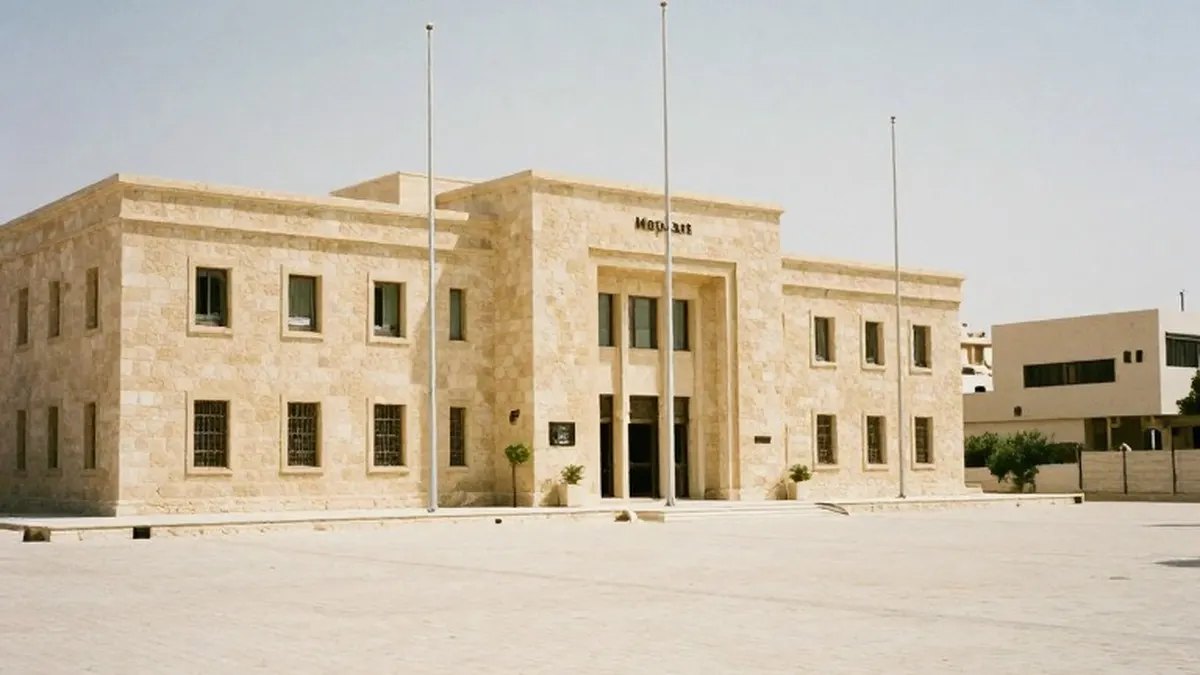
The Beersheba Magistrate's Court on Wednesday ordered the unconditional release of Ibrahim al-Garibi, the last of three Bedouin men from southern Israel who had remained in custody after being arrested at dawn on election day over an alleged plot to buy votes for the traditionalist Arab party Ra'am.
Police had asked the court to place Garibi under house arrest and bar him from using the internet. Judge Eran Tzabari rejected the request and faulted the investigators' handling of the case. "The investigating unit has made no progress in the case, nor have I heard of any actual efforts to check the defendant's own claim," Tzabari said in his decision, adding: "I see no sense in leaving the defendant under house arrest."
The three suspects were accused of planning to pay people to vote for Ra'am. During searches of some of their homes, police said they found envelopes of cash along with Ra'am ballots. The men denied the bribery allegations and said the money was intended for charitable purposes. Police later acknowledged that the homes of all three suspects had been searched without warrants.
The court had agreed on Monday to a police request to keep Garibi in custody for two more days so that investigative steps could be completed. His release follows those of the other two suspects. Saef Abu Reash was freed unconditionally on Sunday after a judge criticized police for failing to produce new evidence supporting an extension of his detention, and Hussein al-Masoudin was released Tuesday at the end of a two-day remand extension that Tzabari had approved on Sunday. Police did not appeal either release.
Early on election day, police announced they had found envelopes containing tens of thousands of shekels in cash in the suspects' homes. Abu Reash's lawyer disputed that account, insisting that no money was found in his client's home and that a total of NIS 12,000 ($3,800) was found in the homes of the other suspects.
According to Hebrew media reports, the arrests were carried out after a tip from Ido Norden, chief of staff to Prime Minister Benjamin Netanyahu. In an election day video statement, Netanyahu claimed the allegations against the "three senior Ra'am moneymen" reflected an attempt "to steal the election from us."
The Ra'am case became one of two investigations cited by Netanyahu and Likud as they alleged that the October 27 election was "stolen." The other probe concerns suspected foreign funding and influence operations targeting the election, and it too has run into serious difficulties, with severe disagreements between the Shin Bet and the attorney general. No evidence linking the two cases has been made public, and police have said the Ra'am vote-buying investigation is separate from the foreign-interference probe.
On Wednesday, the Shin Bet told the Central Elections Committee that intelligence in the separate foreign-interference investigation pointed to foreign funding and influence activity involving "thousands of people and possibly more," though it said further investigation was needed to establish the scale of the activity. The agency did not identify those involved or present public evidence that the alleged activity changed the election result.
Also Wednesday, i24news reported that Zini has sought to question four top Arab politicians in the case without providing prosecutors with evidence on the allegations against three of them. Attorney General Gali Baharav-Miara issued a scathing statement in response, declaring that "in a country governed by the rule of law, it is not possible to interrogate citizens or elected officials without evidence that justifies it."
The Central Elections Committee certified the results of the vote on Wednesday after reviewing protocols from 9,069 polling stations and finding no irregularities indicating that the integrity of the election had been compromised or that the results had been altered.