A coalition of 15 New York state senators has called on the Empire State Development Corporation (ESDC) to stop all Penn Station redevelopment planning until the agency answers basic questions about the project's cost, design and funding.
The letter, sent this week, was led by Sens. Liz Krueger and Brad Hoylman, who represent parts of Manhattan that would be affected. Gov. Kathy Hochul put the price of the project at $7 billion last November. It would be one of the largest redevelopments in city history, yet details on how it would be paid for have been scarce.
The senators wrote that New York's transportation infrastructure, and Penn Station in particular, must be updated and adequately funded, but that resources are limited. They said "vital information about the proposed Penn Station deal has still not been provided to taxpayers" or to the lawmakers responsible for overseeing public spending. The letter follows a similar one from the outgoing New York City planning commissioner in January, who also asked how the state would pay for the work.
The ESDC has not said exactly how it will finance the project or how taxpayers might be affected. Project spokesperson Kristin Devoe said in a statement that the agency is still finalizing details with the city. "We appreciate the Senators' letter and are committed to continuing productive conversations with all stakeholders as we further revise and develop the plan," she wrote.
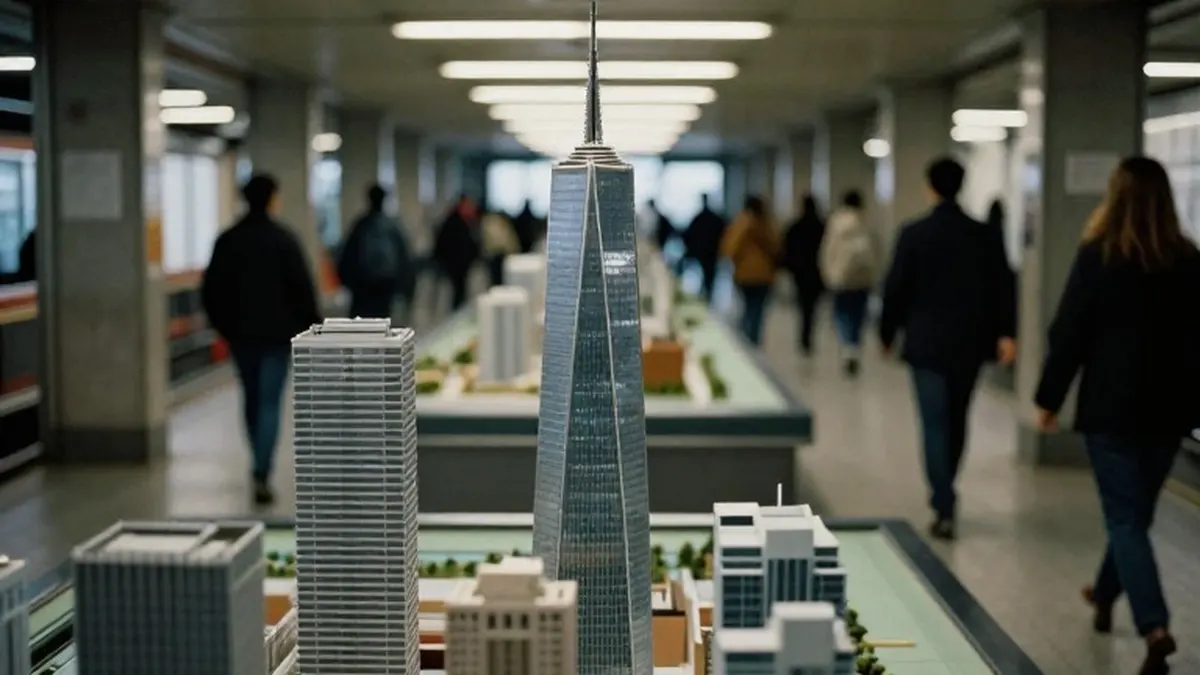
The plan calls for 10 new skyscrapers, some of them mixed-use, with offices, retail space and 1,800 housing units. Of those, 540 would be "affordable," though the state has not publicly defined that term. The project would also include a 450-square foot concourse in Penn Station that developers and the MTA say would be brighter than the current station. Hochul has pointed to eight acres of open space, along with bike parking and benches.
The only public hint about financing is that the state would likely use payments in lieu of taxes, known as PILOT. Under that structure the city does not tax the property owners, and developers instead pay a fee directly to the state. PILOT was used for Hudson Yards and Moynihan Train Hall, and Hudson Yards' developers received about $5.6 billion in subsidies.
Many of the senators' concerns involve Vornado, which owns half of the land where the 10 buildings would rise. They ask whether the company will receive subsidies, how much it will contribute to transportation and aboveground improvements, and whether the PILOT arrangement is too generous.
Board of Elections disclosures show that several people tied to Vornado have given the legal maximum to Hochul's campaign, Friends for Kathy Hochul. Vornado chairman and CEO Steven Roth gave $69,700, and his daughter Amanda Salzhauer gave $69,000 last year. His son Jordan Roth made two donations totaling $20,000, in November and this past January. Trustees David Mandelbaum and Russell B. Wight Jr. each gave $69,700. Even a project opponent, Arnold Gumowitz, whose Seventh Avenue building may need to be demolished, gave $69,700 on January 13, 2022, and his son Gary Gumowitz gave $50,000.
"There are more questions than answers at this point," Hoylman told Gothamist, adding that greater transparency is needed before moving ahead. Preservationists oppose the plan, saying historic and architecturally significant buildings would be lost. Sam Turvey of RethinkNYC and the Empire Station Coalition welcomed the growing number of senators opposed and argued the plans should be withdrawn entirely.
The MTA continues to back the project despite the open financing questions. Chairman Janno Lieber said Midtown could benefit from modern office space and hopes the state can draw money from developers. "We can capture some of that value, and use it to pay for the infrastructure," he said, calling underground concourses and new entrances essential from a transit standpoint.