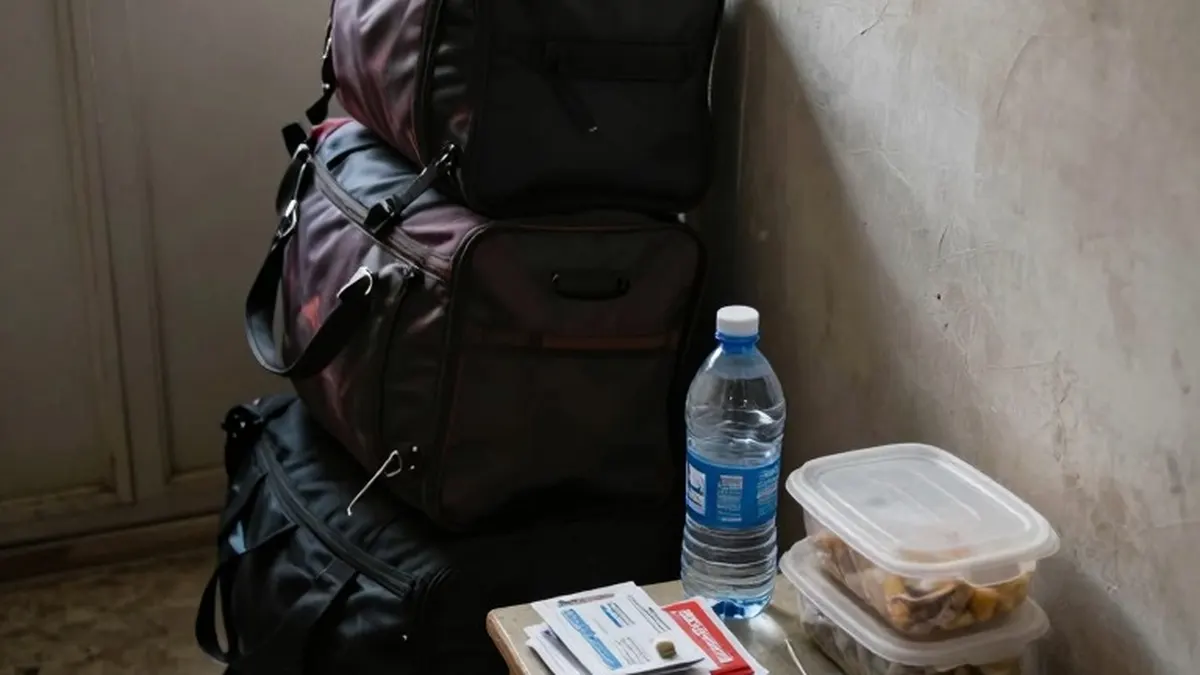
Families in southern Lebanon and Beirut’s southern suburbs are packing emergency bags, stocking food and medication, and charging electronic devices amid fears of another intensification of Israeli attacks. Although fighting eased after a ceasefire announced in April, continuing explosions and drone activity have left residents uncertain about whether they will again have to abandon their homes.
Aya remained in Abbasiyeh in southern Lebanon during Israel’s March offensive, even when an attack targeted her neighbour’s house, she told Al Jazeera. Her family has now gathered additional medication for her grandparents in case renewed fighting disrupts supplies. This time, she said, she would leave if attacks intensified. She is also considering leaving Lebanon altogether, describing the prospect of another displacement as mentally exhausting.
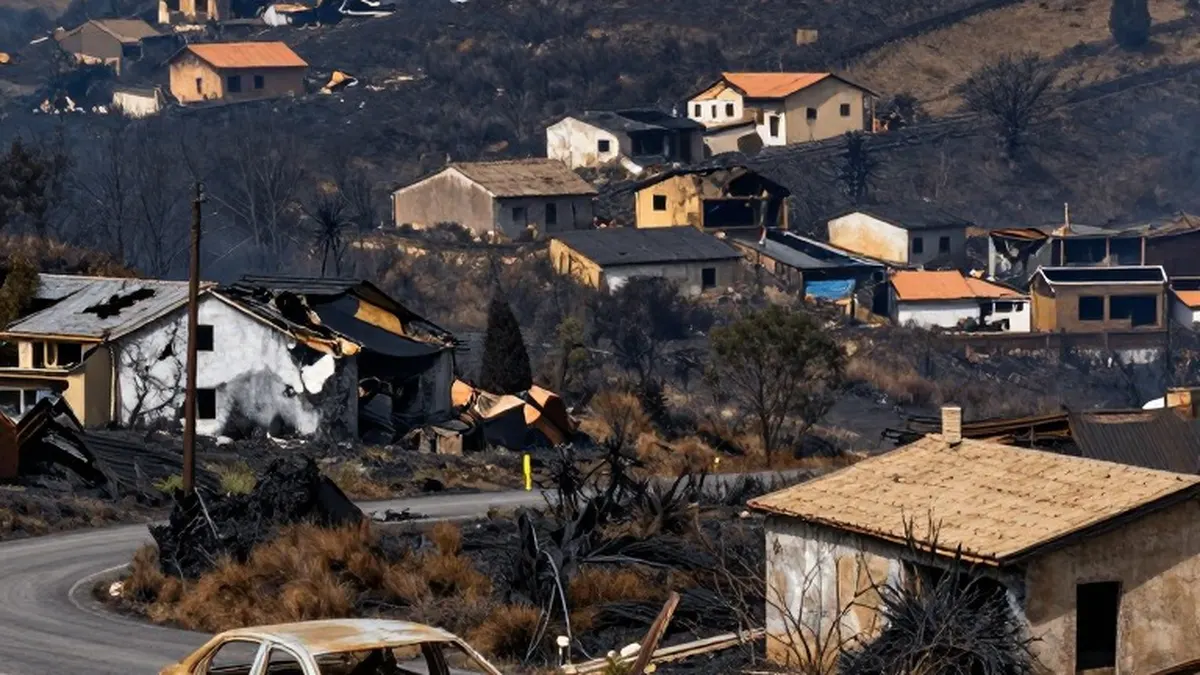
Israel and Hezbollah have been at war since October 2023. According to Lebanon’s health ministry, Israeli attacks have killed around 9,000 people in the country, mainly during the autumn 2024 and March and April 2026 offensives. Israel invaded during both escalations and has occupied territory extending up to 10 kilometres into Lebanon, establishing what it calls a Yellow Line. Towns and villages below that boundary continue to be destroyed, while border areas have been rendered uninhabitable, potentially for years.
The April ceasefire followed, by just over a week, an Israeli assault involving more than 100 attacks in under 10 minutes that killed over 350 people. In June, Lebanon and Israel signed a framework agreement brokered by the United States to establish pilot zones where Israeli forces would withdraw and Lebanese troops would enter to disarm Hezbollah. Fighting has diminished, but Israeli attacks and destruction of homes and infrastructure continue in the far south.
Regional developments have heightened concern. US President Donald Trump has reportedly considered further attacks on Iran in coordination with Israel, while Tehran has threatened retaliation against regional targets. That has raised questions about whether Hezbollah, which Iran supports, would resume its own attacks on Israel. Israeli officials have also accused Lebanon’s army of failing to fulfil the framework agreement, an allegation the army denies. Analysts say those accusations could help build a justification for another bombing campaign.
For Ramez, who used a pseudonym for security reasons, the effects of earlier attacks remain immediate. In July 2024, explosions brought a neighbouring building down onto his apartment in Haret Hreik, in Beirut’s southern suburbs. He has since stayed at his family’s second home, roughly half an hour southeast of Beirut. He told Al Jazeera that insomnia, nightmares and panic attacks persist, and his family has delayed returning because of fears of renewed attacks.
Ramez keeps batteries and power banks charged, maintains enough water for months and ensures his car has a full petrol tank. Other residents from the south and Beirut’s southern suburbs, known as Dahiyeh, told Al Jazeera they keep bags ready. Karim Safieddine, a non-resident fellow at the Tahrir Institute for Middle East Policy, said people have spent months preparing, with some leaving Dahiyeh at night and maintaining routes for a rapid escape.
Financial pressure is narrowing families’ options. The World Bank forecast in August that Lebanon’s inflation would reach 17.5 percent in 2026. Lebanese analyst Jad Dilati said some households continue renting accommodation elsewhere as a precaution, a cost many cannot afford after three years of war. Analysts also warned that renewed fighting could deepen sectarian tensions. Political analyst Mohamad Bazzi told Al Jazeera that depleted savings and growing exhaustion could fuel social unrest, with anger directed at Hezbollah potentially extending to the wider Shia community.