Martin Fletcher spent more than 20 years homeless after losing his job to redundancy. He finally found accommodation in Sunderland in 2024, and the 61-year-old says the turning point was largely a change in his own thinking. He realised he was getting older and could not go on living that way for ever.
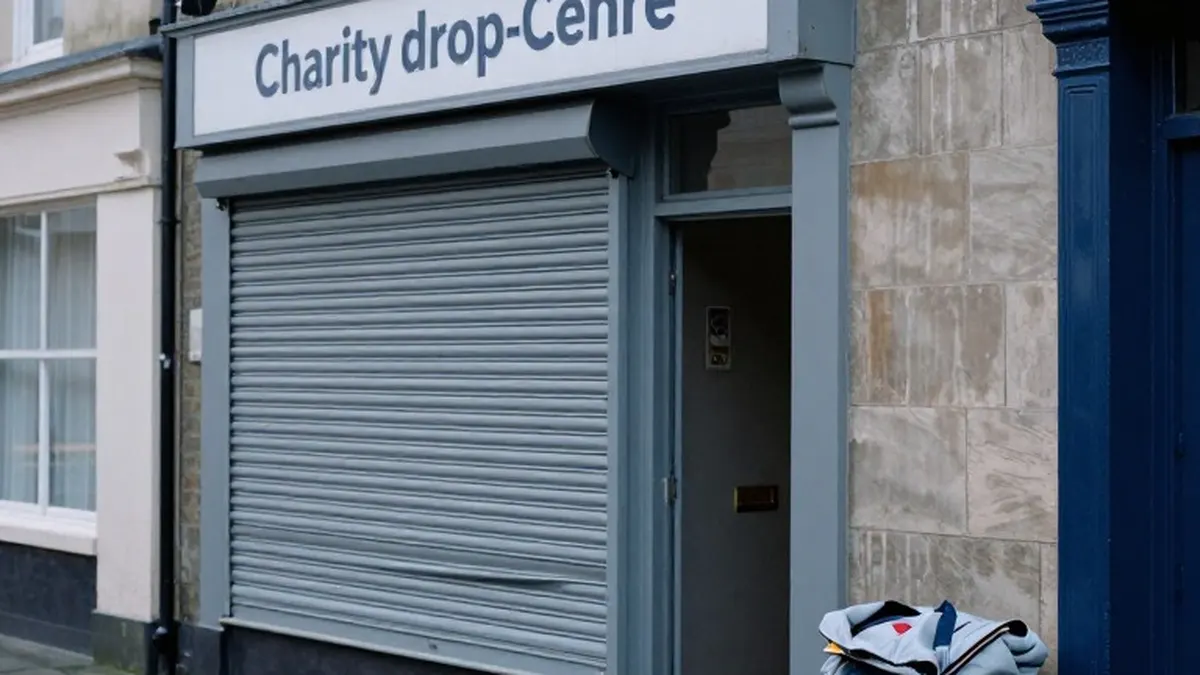
Practical help mattered too. Fletcher credits a charity that did not judge him or overwhelm him with paperwork. Staff made him a cup of tea, worked out what he needed and helped him get back on track. That charity was the drop-in housing support service run by Basis Sunderland, which closed in July because it ran out of funding.
Fletcher found the closure devastating. He questioned how rough sleeping could end while such services were shutting down, and argued that people will only come off the streets if they choose to. He also noted that not all homelessness is visible. "So these local services are vital," he said.
His comments come as Andy Burnham, who announced in July a plan to end rough sleeping and offer a bed to everyone in need by Christmas, hosted a summit on the issue at Downing Street on Monday. The prime minister said the commitment would be backed by a further £432m to sustain support into next year. Several charities had worried that people would simply return to the streets after Christmas. Burnham said he was bringing together businesses, charities and local leaders to make sure the solution lasts.
People working in the homelessness sector have warned that there is no easy fix. The Guardian spoke to several formerly homeless people about what helped them into housing, in some cases after decades outdoors.
Amy Bell, 37, was street homeless and struggling with heroin addiction for seven years between 2013 and 2020. She reached what she called rock bottom when her council offered only a voucher for a two-man tent. The next morning, council workers put the tent and her belongings in the bin, classing them as litter. Using a phone borrowed from a Citizens Advice centre, she secured a few weeks in a hostel, which let her reconnect with drug treatment, get a phone with a sim card and begin rebuilding her life.
Bell said being offered a hostel bed while still using drugs was the key. Even so, she described the hostel system as broken, saying it fails to accommodate people with addiction problems and bans them once their use is discovered. She urged Burnham to remove the "ridiculous bureaucracy" that blocks access to support, pointing out that services now run through apps that homeless people often cannot use. "Homeless people need a real-life person to help them," she said.
Others told the Guardian they moved from England to Scotland because help was easier to get there after it abolished the priority needs test in 2012. According to Crisis, Scotland has some of the most progressive homelessness rights in the world.
Tony, whose name has been changed to protect his anonymity, became homeless after leaving prison in 2024. His probation officer simply told him to contact a council homelessness team on the day of his release. No housing was available and he ended up sleeping in a tent in the woods. A chance meeting led him to the Salvation Army, where he has lived in supported accommodation for the past two years.
Tony said accommodation was only discussed with him 10 days before his release, after a three-year sentence. He argued that arranging a bedsit earlier would have cost the government less in the long run, and said the government must tackle homelessness among prison leavers if it wants to end rough sleeping.