Following a significant defeat for the Make America Healthy Again movement in the recent midterm elections, senior leaders attributed the losses to being outspent by wealthier and more influential rivals. However, a new report from Stat challenges this narrative by examining the group's own financial records. The findings suggest that the organization may not have prioritized electoral victory as heavily as previously assumed.
The analysis of financial documents indicates that the MAHA PAC, under the leadership of Tony Lyons, allocated more funds to allies, boosters, meals, and luxury expenses than it did to political candidates. This spending pattern contrasts sharply with Lyons' spring announcement that he would lead a $100 million fundraising effort to strengthen the group's position in the midterms.
In reality, the PAC raised only $3.2 million during the period. Despite this modest intake, the organization spent more than $10.5 million during the election cycle. A significant portion of this expenditure, exceeding $7 million, came from funds collected in prior periods rather than from the newly raised spring campaign.
Stat's review of the $10.5 million spent during the midterms reveals that less than one tenth of the total went toward messaging on political candidates. These direct political costs are categorized as independent expenditures. Specifically, roughly $1 million was dedicated to these candidate-focused efforts, leaving the vast majority of the budget for other uses.
Andrew Mayersohn, a committees researcher at OpenSecrets, described the spending habits as pretty unusual. He noted that major super PACs typically direct the majority of their resources toward independent expenditures, making the MAHA PAC's allocation a notable deviation from standard practice.
The disparity between political spending and luxury costs is highlighted by specific examples from key races. In a critical House race in Northern California, the PAC supported Kevin Kiley against his rival, pediatrician Richard Pan. Lyons had labeled this contest the most direct ideological confrontation between the movement and its opposition on the 2026 ballot.
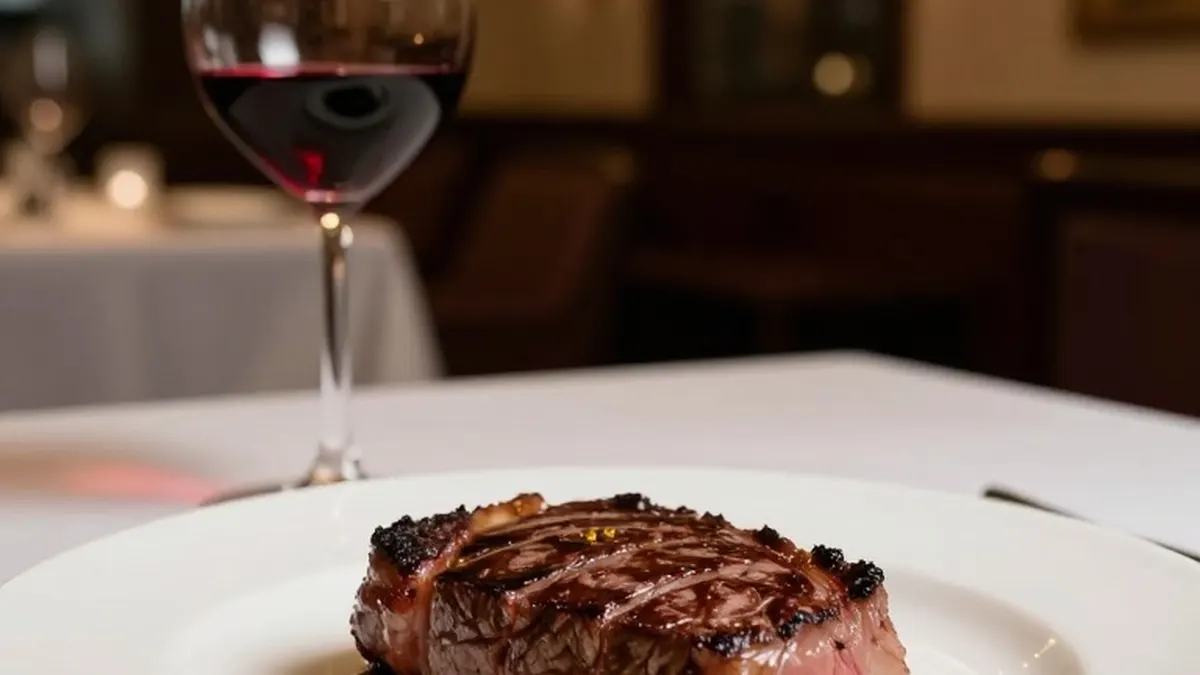
Despite the high profile of this race, the PAC spent only $49,900 to back Kiley. This amount was slightly less than the $50,100 the organization spent at Mastro's Steakhouse. The upscale Washington, DC restaurant is known for serving porterhouse steaks priced at $110.
The spending on luxury venues extended beyond the steakhouse. The PAC spent $155,900 at Ned's Club, a high-end establishment located near the White House. This venue has become a popular gathering spot for officials associated with the Trump administration. The amount spent at the club was more than three times the sum allocated to the Northern California candidate.
These financial details raise questions about the strategic focus of the MAHA PAC during the 2026 election cycle. While the group claimed to be fighting a major ideological battle, its ledger suggests a preference for high-end social events and support for broader allies over direct financial investment in specific electoral contests.
The report serves as a detailed post-mortem of the organization's financial decisions. It provides a concrete look at where the money went, offering a counterpoint to the narrative that external financial pressure alone was responsible for the movement's recent electoral setbacks.