Mass General Brigham has introduced new masking procedures at its hospitals and clinics after raising its assessment of respiratory virus activity in the community from "mild/moderate" to "high." The changes took effect on Monday, Jan. 6.
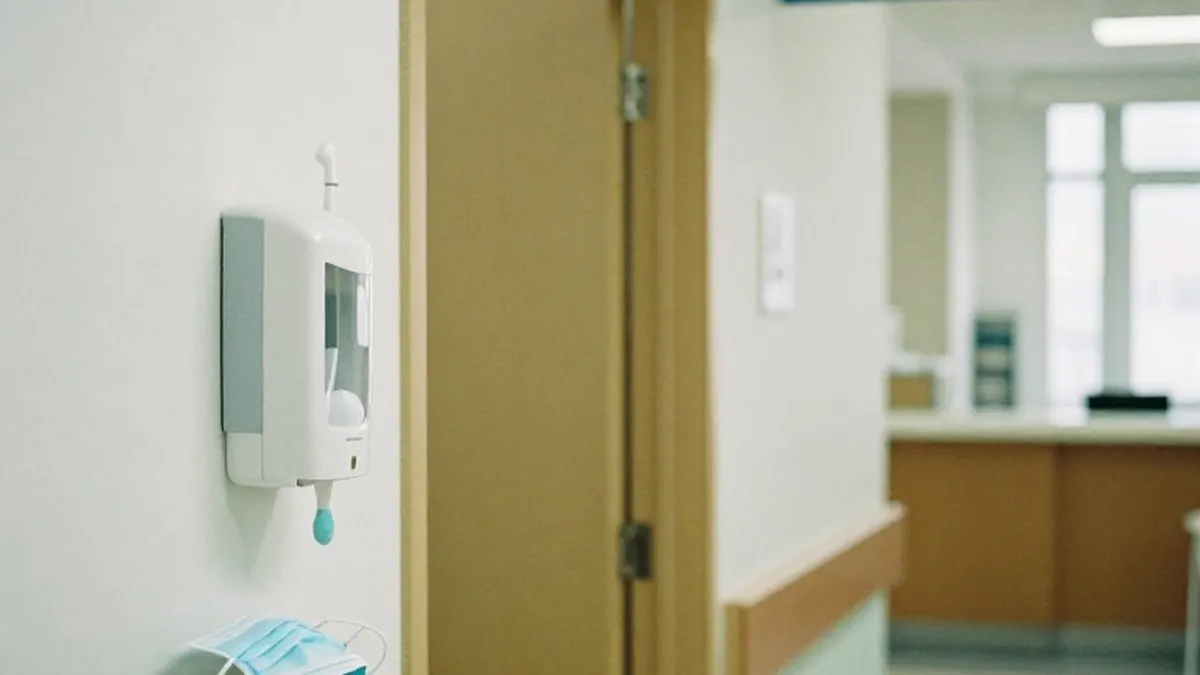
In a statement, the health care system said patients, visitors and staff would see employees wearing masks more often. "We do this during periods of high respiratory virus activity to protect our patients and care teams," the statement said.
Under the policy, staff will mask during direct interactions with patients in patient rooms, patient bays and other clinical care areas. They will not be required to wear masks in lobbies and other common areas. Patients and visitors are "strongly encouraged, but not required" to mask.
Visitors who have a fever or other flu-like symptoms are asked to postpone their visit. People who have been exposed to COVID-19 but have no symptoms may still visit patients, though they must wear a mask provided by the facility.
The change was triggered when the share of patients seeking care for respiratory illness at emergency rooms and outpatient facilities in the region exceeded the system's threshold of 2.85% for two consecutive weeks. Local health officials say the increase is in line with what is expected at this time of year.
State data show the scale of the season so far. During the week of Dec. 22 to Dec. 28, 18.6% of hospital admissions in Massachusetts were related to acute respiratory diseases, including COVID-19, influenza and RSV, according to the Massachusetts Department of Health. Of roughly 63,421 emergency department visits that week, 16% were attributed to respiratory illnesses. Flu vaccination is running slightly behind last season, at 35.2% as of the 26th week of the 2024-2025 season, compared with 37.8% at the same point a year earlier.
As of Jan. 3, the Centers for Disease Control and Prevention rated overall respiratory illness activity in Massachusetts as "moderate," based on how often emergency department doctors diagnose respiratory symptoms and conditions. Wastewater readings were higher, with the CDC reporting "very high" levels of RSV and "high" levels of COVID-19 and flu in the state. Health officials note that infected people often shed virus in wastewater even without symptoms, and high readings can point to rising infections "even when other measures remain low."
Mass General Brigham tracks virus levels through the CDC's surveillance network. No statewide mandate governs how health systems respond to respiratory virus cases, but every hospital and facility in the system follows the same policy. The current requirements stem from infection control updates the system adopted in October 2023, which consider the respiratory virus season to have begun once more than 1.9% of patients show symptoms of respiratory illness. The thresholds were developed after local hospitals faced a "tripledemic" of COVID-19, flu and RSV in 2022, when respiratory infection levels reached 7.3%.
"The policy approach uses a variety of interventions, including targeted masking, to mitigate risk of spread of all respiratory viruses," said Erica Shenoy, chief of Infection Control at Mass General Brigham.