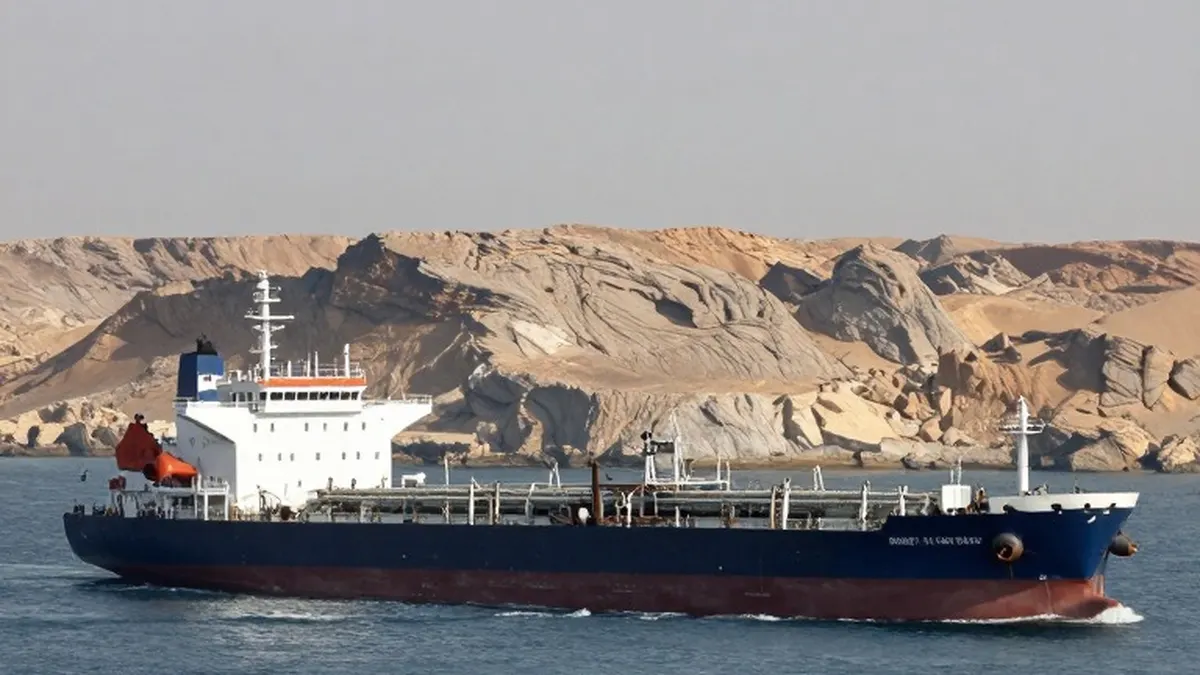
Iran and the United States are pursuing indirect diplomacy over reopening the Strait of Hormuz as both sides warn that fighting could resume. Iranian Foreign Minister Abbas Araghchi said discussions with Qatari mediators focused on a plan to restore access to the vital energy passage within two days, subject to Washington meeting Tehran’s conditions. The negotiations seek a way out of the US-Israel war on Iran, which has triggered a severe global energy crisis.
Araghchi said Saturday that an Iranian delegation, including one of his aides, had visited Doha after Qatari officials held consultations in Tehran. Iran’s demands include removing recently imposed US sanctions, restoring oil waivers issued in June and reducing the American military presence in the region. Tehran also wants recognition of shipping routes designated by Iran and Oman and an end to fighting on every front, including Israeli attacks on Lebanon.
Qatari and Pakistani mediators are continuing discussions on those conditions, Araghchi said. Both countries helped secure a June memorandum of understanding that broke down in August, while Pakistan’s army chief, Field Marshal Asim Munir, has made several mediation visits to Tehran. Iranian security chief Mohsen Rezaei said Washington had signalled willingness to accept Iran’s terms, but the US has not confirmed that account. Secretary of State Marco Rubio acknowledged ongoing Qatar-led talks without providing a timetable.
The diplomatic activity follows a letter from US Vice President JD Vance to Rezaei earlier in the week, reportedly exploring whether negotiations could restart and another escalation could be avoided. Rezaei said Saturday that its tone differed sharply from previous correspondence from President Donald Trump. Araghchi also welcomed the apparent opening for dialogue, while warning that any attempt to create discord would be a mistake.
Iranian officials paired that openness with warnings about their military readiness. Araghchi said the armed forces were better prepared for war than ever before. Supreme Leader Mojtaba Khamenei said any new military threat from the US or Israel would bring an immediate response without geographic limits and instructed commanders to expand their target list. Rezaei said Iran would deploy new weaponry against future attacks and was considering changes to its nuclear doctrine, which currently bans nuclear weapons. Tehran maintains that its nuclear programme serves civilian purposes.
Trump offered a mixed assessment Saturday, describing negotiations as progressing while questioning their reliability. He said several Iranian sites remained military targets, specifically identifying the suspected underground nuclear complex called Pickaxe Mountain. Trump has repeatedly raised the possibility of attacks after the November 3 midterm elections. Rubio said the president had not decided whether to order further strikes.
Israel is also preparing for possible renewed conflict immediately after the US elections, according to a senior Israeli official quoted by Ynet News. Israel joined the US in starting the war in February. Prime Minister Benjamin Netanyahu has argued that Israel has an exceptional opportunity to eliminate the Iranian threat. He remains caretaker leader after his coalition lost its parliamentary majority in recent elections.
Andreas Krieg, an associate professor of security studies at King’s College London, told Al Jazeera that Israeli threats complicate Tehran’s decisions because an agreement with Washington might not prevent another Israeli attack. He said the US election gives Iran reason to postpone concessions, although that calculation could shift afterwards as Trump faces fewer domestic political constraints on military action.
Crisis Group senior Iran analyst Hamidreza Azizi said Tehran was combining diplomacy with efforts to change expectations about the scale of another war. Writing on X, he said an agreement remained possible, but Iran was signalling that renewed conflict could extend across a much wider battlefield.