A distinct religious phenomenon is emerging among women in the United States and Europe who have left Christianity to embrace the teachings of the Torah. These individuals, often referred to as Noahides or ger toshav, are not seeking formal conversion but are instead building spiritual lives centered on Jewish texts and practices. For them, the God of Israel and the laws of the Torah have become the foundation of their faith, even as they navigate the complexities of living as non-Jews in a modern world.
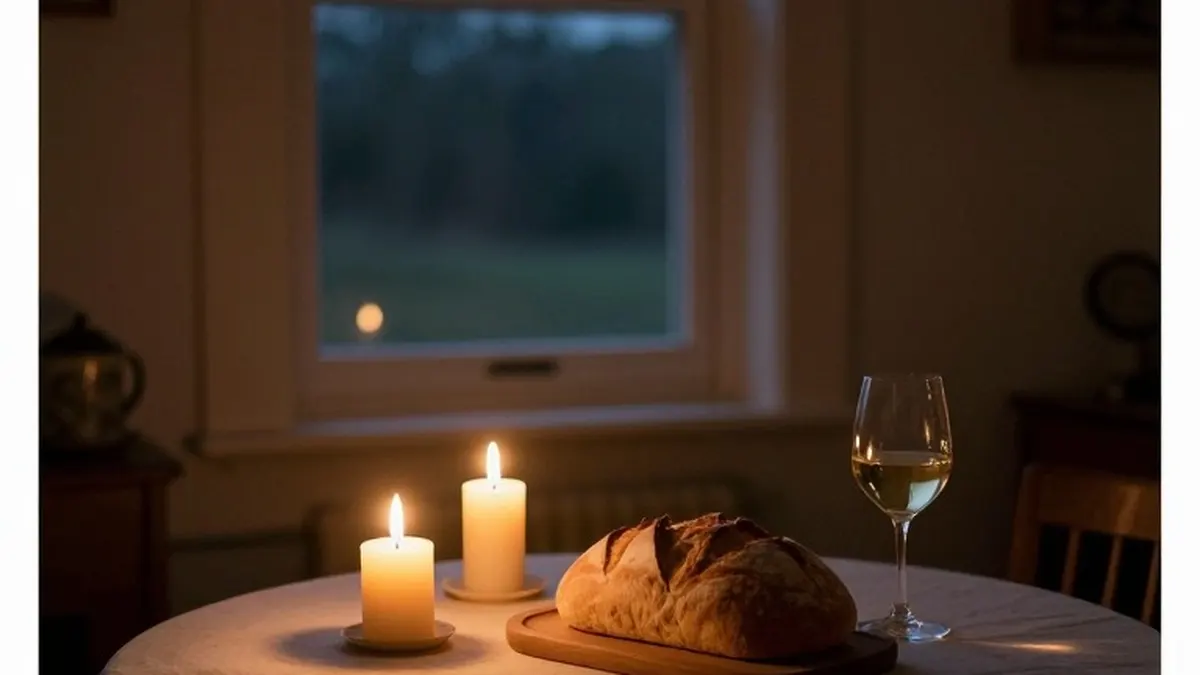
The recent Noahide Congress in Jerusalem highlighted the isolation many of these women experience. For participants like Dina Harper of North Carolina and Jeanne Montgomery of the US, the gathering offered a rare opportunity to connect with a community that shares their spiritual convictions. Harper, who lights Shabbat candles despite not being Jewish, described the event as a dream come true. She noted that finding others who value the holiness of the seventh day provided a sense of belonging she had long lacked.
Leaving Christianity often means losing an entire social world, a cost these women describe as significant. Teresa Kirk of Texas recalled that when she and her husband left organized Christianity in 2000, they lost many family and friends. For Bethanne Boyd of Kentucky, the transition was equally difficult. Having served in church leadership for decades, she had to relinquish a position of authority and familiar social connections. Many report that the loss of communal rituals, such as choir singing, left a void that only gradually filled with new Jewish practices.
Domestic life presents another layer of complexity for these women. Many remain married to Christian husbands, requiring careful negotiation of holiday traditions and daily routines. Boyd, for example, keeps Christmas in her home by using secular decorations and allowing her children to receive gifts, though she personally observes Hanukkah. She admits to feeling terrified of observing Shabbat incorrectly, leading her to avoid the practice to maintain peace in her household. Similarly, Harper sometimes participates in gift exchanges to avoid hurting her family's feelings, even if she disagrees with the religious implications.
The decision not to convert is often driven by practical and theological considerations. Boyd believes she cannot fulfill all commandments in her current family situation and refuses to be a 'sometimes Jew.' Kirk values the freedom to study and incorporate Jewish practices without assuming the full obligations of Jewish law. Montgomery views her status as a non-Jew as an opportunity to fulfill a different role in the world, aligning with the concept of the righteous among the nations.
Kimberly Kornmeier, who lives in Kurdistan and formerly practiced Islam, offers a similar perspective. She believes that if she were meant to convert, a door would have been opened for her. Instead, she finds comfort in the Jewish teaching that righteous non-Jews have a share in the World to Come. Her daily routine includes morning prayers, blessings over food, and personal study, creating a spiritual rhythm that suits her life.
Terminology remains a point of contention among these women. While some identify as Noahides, others prefer the term ger toshav, which implies a resident alien with specific rights and responsibilities. Montgomery describes herself as a 'biblical Zionist' to outsiders but identifies as a ger toshav inwardly. Kornmeier rejects the Noahide label entirely, arguing that it emphasizes prohibitions over positive spiritual possibilities. This debate reflects a broader struggle to define their place within the Jewish religious landscape.
Without standardized prayer books or local communities, these women have developed individualized religious routines. Some bake challah and light candles on Friday nights, while others focus on study and personal prayer. This diversity raises questions for Jewish educators about how to guide non-Jews who seek a meaningful relationship with God without fully adopting Jewish law. The growing presence of these women suggests that the boundary between Jewish and non-Jewish spiritual life is becoming more nuanced.