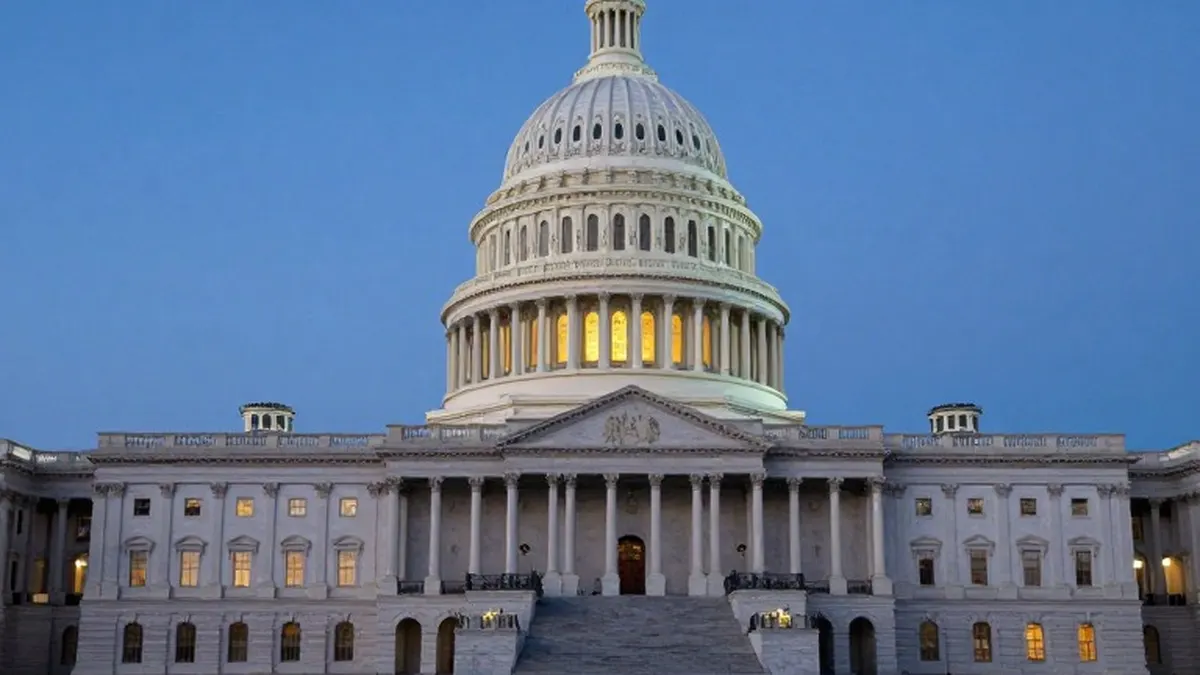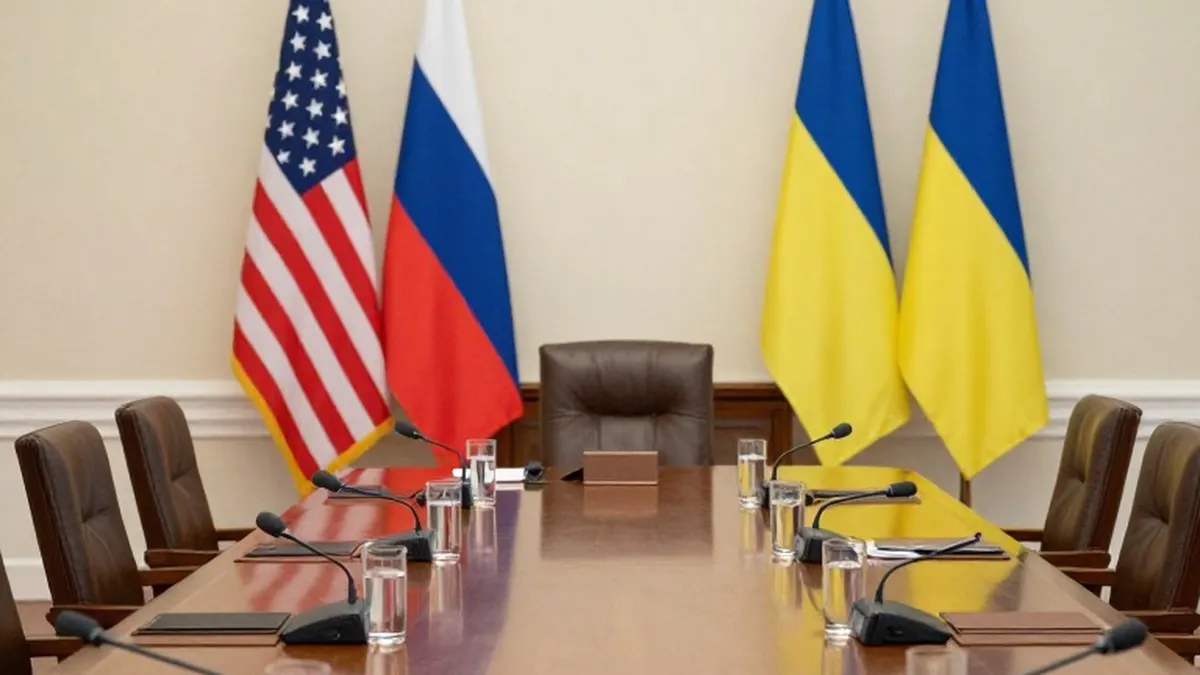
First Lady Melania Trump is set to host representatives from Russia and Ukraine at the White House on Thursday. This gathering marks a significant diplomatic initiative following a humanitarian ceasefire that she helped broker between the two warring nations. The meeting is expected to be the first time both sides have met face-to-face at the presidential residence, though the specific goals of the assembly remain unclear. It has not been confirmed whether President Donald Trump or any of his senior envoys will attend the session.
The White House described the event as an extraordinary moment in American history in a statement released to announce the schedule. The administration is currently pushing for progress in broader peace negotiations, with the United States preparing to lead renewed trilateral talks in Abu Dhabi, United Arab Emirates, next week. These efforts come amid a complex political landscape where the recent midterm election results have introduced new variables into the American approach to the conflict.
According to the Kremlin, Russia will be represented by Kirill Dmitriev, the special envoy to President Vladimir Putin, and Yana Lantratova, the human rights commissioner who coordinated the ceasefire on the Russian side. On the Ukrainian side, the official delegation list has not been fully confirmed. However, David Arakhamia, the head of President Volodymyr Zelenskyy’s ruling faction in parliament, will be part of the group. His office indicated to NBC News that high-level officials would be present for the discussions.
This diplomatic push follows the implementation of a humanitarian truce that began on October 27 and lasted for six days. The ceasefire allowed for the evacuation of hundreds of residents from Oleshky, a town in Ukraine’s southern Kherson region. Prior to the truce, approximately 2,000 residents remained in the area, facing the brink of starvation. Both sides adhered to the agreement, making it the largest de-escalation effort since Russia’s full-scale invasion began in early 2022.
The White House praised the ceasefire on Tuesday, calling it an unprecedented diplomatic initiative by an American First Lady. Pope Leo XIV and various European officials also lobbied heavily for the cessation of hostilities in Oleshky. In recognition of her role, Ukraine bestowed a state award on Melania Trump on Wednesday. She received the Order of Princess Olga, 1st class, an honor reserved for women who have made outstanding contributions to the country.
The current diplomatic environment is complicated by recent shifts in U.S. policy. Last month, President Trump signed a deal to purchase Russian diesel and waived new sanctions on Moscow. These moves, along with complaints from Kyiv regarding gaps in intelligence sharing and a slowdown in Starlink service, contributed to the worst collapse in relations with Washington since the war began. Ukraine has since reported that both intelligence sharing and Starlink services have been restored.
President Zelenskyy stated on Tuesday that the upcoming talks would follow a team-level format. He expressed hope that this step, along with other diplomatic measures, would pave the way for trilateral negotiations at the leaders' level. Zelenskyy emphasized that only a meeting between heads of state can resolve key issues to achieve lasting peace and guaranteed security.
The political backdrop for these negotiations has shifted following the midterm elections, where Democrats captured full control of Congress. This result was viewed as a striking repudiation of President Trump’s agenda. The Kremlin expressed sincere hope that the President would continue his peace-building efforts despite the election outcome. While Ukraine did not offer an official response to the results, some within the country expressed cautious optimism that the Democratic surge might ease pressure from Washington.
Negotiations led by special envoy Steve Witkoff and Jared Kushner have stalled over the status of Ukraine’s eastern Donbas industrial region. President Putin seeks to seize the entire region, while Ukraine continues to control key stronghold cities. Kyiv has refused to cede this land, arguing that ceding it would provide Russia with a powerful launchpad for future invasion attempts rather than just a public relations victory.