Law enforcement officials in Boulder, Colorado, are reexamining evidence from the 1996 murder of JonBenet Ramsey using modern forensic techniques. As the case approaches its 30th anniversary, investigators hope that recent advancements in technology will help solve one of the nation's most prominent unsolved crimes. The retesting effort involves a cold case review panel composed of local, state, and federal agents.
Boulder County District Attorney Michael Dougherty expressed increased optimism regarding the case during a recent news briefing. He attributed this shift in perspective to significant progress in DNA analysis methods over the past few decades. Dougherty stated that the evolution of genetic testing provides a stronger foundation for identifying suspects than was possible in the late 1990s.
The Ramsey family has long advocated for the use of investigative genetic genealogy. John Ramsey, the victim's father, spent years urging authorities to employ this method, which combines genetic data with genealogical research to identify potential persons of interest. His brother, John Andrew Ramsey, told Fox News Digital that he believes the samples currently in police possession contain the DNA of the killer.
John Andrew Ramsey highlighted the limitations of testing technology available at the time of the crime. He noted that while late 1990s tests were less sensitive, they still detected male DNA in the same location as his sister's blood. In 2008, touch DNA testing further identified the same unknown male's DNA on both sides of the waistband of her long johns. He described this evidence as belonging to the killer.
Boulder Police Chief Steve Redfearn confirmed that the department is retesting items that were analyzed three decades ago. He explained that improved technology may allow investigators to detect details that were previously undetectable. Redfearn suggested that while nothing was necessarily missed in the initial analysis, newer tools might reveal information that was overlooked in 1997.
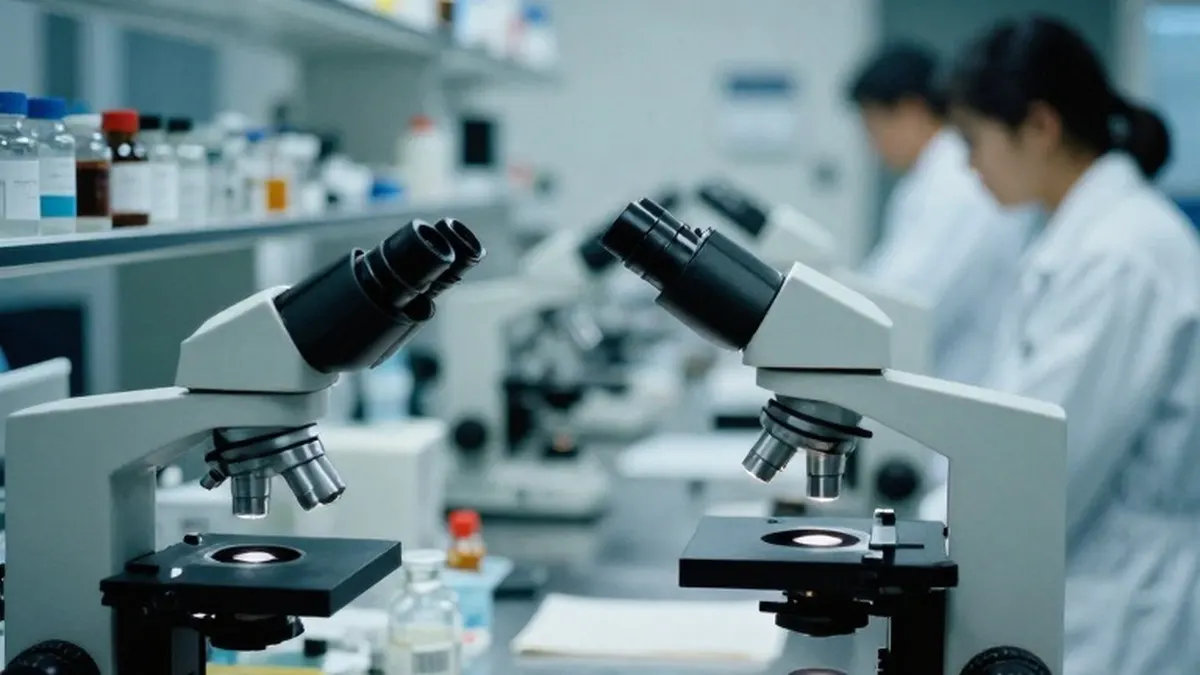
Dougherty illustrated the complexity of modern DNA analysis by citing a recent trial that required testimony from four different experts. He explained that the ability to identify DNA profiles within mixed samples has improved significantly. He emphasized that the quantity, quality, and location of the DNA are critical factors in the analysis.
The district attorney noted that testing samples from a single donor is generally straightforward, especially if the sample is blood or semen. However, analyzing touch DNA or saliva that involves a mixture from multiple sources is more challenging. When multiple people leave DNA on a surface, laboratory technicians must untangle the profiles, a process that can be destructive to the evidence.
Dougherty acknowledged the constraints imposed by evidence rules, which require that testing methods be validated to stand up in court. He stated that the team is committed to solving the case but is proceeding carefully to ensure the integrity of the evidence. He remarked that while the clock is ticking, the authorities are not acting recklessly.
John Andrew Ramsey raised concerns about the limited amount of available sample. He questioned whether there is enough material to allow for future retesting by a criminal defense team if a suspect is identified. He asked rhetorically if investigators truly only have one chance to analyze the evidence effectively.
Redfearn indicated that if the new DNA testing does not yield immediate results, authorities have additional evidence they have not yet released to the public. He stated that there is still plenty of information held by the department that could be made public to encourage witnesses to come forward. Despite tips continuing to arrive regularly, Redfearn maintained that more than one person is out there who knows something about the case.