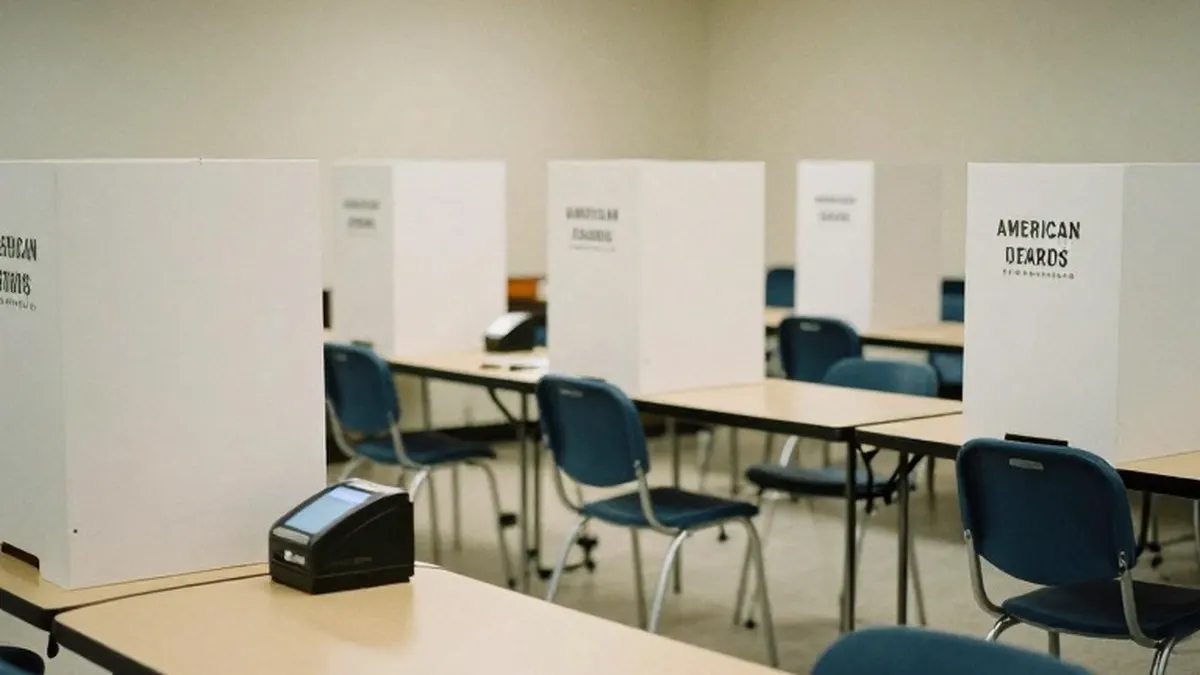
Control of Congress and the direction of President Trump's agenda are at stake in Tuesday's midterm elections, with polling pointing toward Democratic gains. Voters will choose all 435 House members, roughly a third of the Senate and governors across the country. The latest CBS News House model puts Democrats on course for 229 seats, enough to secure a majority.
Susan Glasser, a politics columnist for The New Yorker, said midterms traditionally serve as a judgment on the president's performance. She described Trump as entering the election with the lowest popularity of any American president at this stage in modern polling history. Public frustration over prices is central to that assessment, she said, with gasoline and grocery bills providing everyday reminders of broader economic dissatisfaction.
CBS News pollster Anthony Salvanto said the overall numbers have moved toward Democrats, consistent with the historical tendency for a president's party to lose congressional seats in midterms. He identified war, corruption and gasoline prices among voters' concerns. About two-thirds of respondents said their congressional vote was intended either to support Trump, at 26%, or oppose his policies, at 41%.
Trump's influence also extends to how Republican candidates present themselves. Most Republican campaign advertisements do not mention him, and some challenge his policies. In Michigan, Republican Senate candidate Mike Rogers has run an advertisement calling for an end to Trump's tariff war against Canada. Meanwhile, Salvanto said several Republican states have become more competitive in Senate contests, expanding Democratic opportunities without guaranteeing victories.
Potential Democratic Senate wins in Kansas and Texas would break long electoral droughts. Glasser said Democrats last won a Kansas Senate seat in the 1930s, while Lloyd Bentsen's election in 1988 marked the party's most recent Senate victory in Texas. Those contests illustrate how the Senate landscape has changed since the beginning of the year, when Salvanto said few observers believed Democrats had a chance to take control.
The campaign is also setting a spending record, with midterm advertising expenditures expected to exceed $11 billion. Wesleyan University professor Erika Franklin Fowler, who researches political advertising, said that spending has limited power to change voters' views, particularly about the cost of goods. Increased early voting also means some advertisements airing in the campaign's closing days will reach people who have already cast ballots.
Fowler raised concerns about artificial intelligence being used to create realistic footage depicting candidates saying or doing things that never happened. Viewers may not recognize those scenes as fabricated, she said. According to Fowler, there is no federal regulation of AI in advertising, and most such material carries no disclaimer.
A Democratic takeover of both chambers could bring attempts to limit Defense Department spending on Trump's war with Iran, along with investigations, oversight hearings and subpoenas, Glasser said. She also expressed concern about whether Trump would accept the results and whether his allies might seek to delay or block certification of incoming senators in close contests. Glasser described the election as a crucial test of the system's ability to balance power among branches of government.