Across the Midwest, a group of boutique hotels has settled into buildings that once served very different purposes, including breweries, firehouses, schools and private clubs. A roundup from St. Louis Magazine highlights eight of them, among them one in downtown Springfield, Missouri.
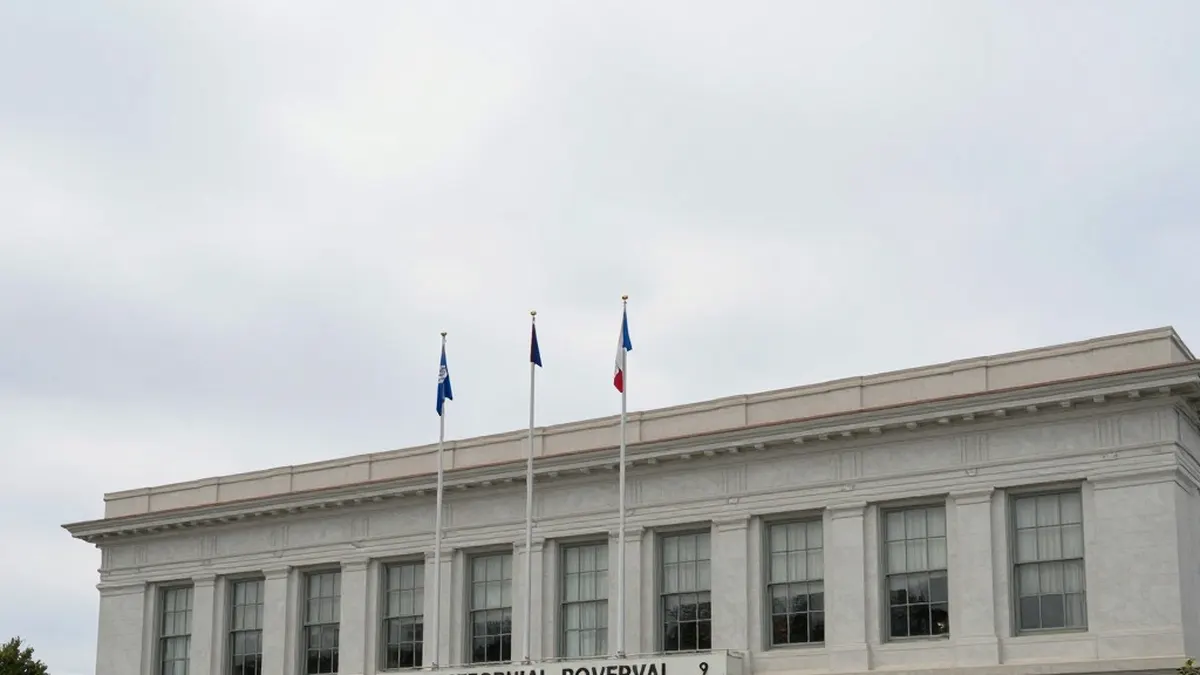
In Springfield, Hotel Vandivort occupies a former Masonic Temple at 305 E. Walnut that dates to 1906. Local Masons used the building for 75 years. It was later converted to offices, and drywall and dropped ceilings hid its original character. Those details are now exposed again and set off by modern furnishings. Guests can choose from a range of rooms and suites, some with balconies. The Order serves locally sourced Midwest cuisine, while Vantage offers an extensive cocktail list and small plates on the rooftop terrace.
In Kansas City, Crossroads Hotel at 2101 Central was built in 1911 as the Pabst Brewing depot. It is rumored that the building was used to bootleg liquor during Prohibition. The 131-room hotel includes a small dining room in a former vault and a three-story open lobby with walls made from the historic wood planks of the floors. Branded as "Quintessentially KC," it runs an artist residency program and an art gallery, and it hosts live music, vinyl nights, a running club and yoga classes.
Indianapolis offers the Bottleworks Hotel at 850 Massachusetts, where Coca-Cola bottled its soda from 1930 to 1964. The Art Deco details remain, including green and goldenrod lobby tiles with ornate gold trim, original terrazzo floors and a grand spiral staircase that climbs to an Art Deco chandelier. The Bottleworks District location puts steakhouses, sushi and The Garage Food Hall within reach.
The Detroit Foundation Hotel at 250 W. Larned sits behind the red doors of a firehouse built in 1929 and used by the Detroit Fire Department until 2013. Original terrazzo floors and wood-paneled walls share space with modern furnishings and a cascade of light bulbs above the bar in the Apparatus Room. The halls double as an art gallery for local artists, and the hotel favors local businesses for everything from chocolate and spirits to the denim vests its bartenders wear.
In Milwaukee, Brewhouse Inn & Suites at 1215 N. 10th St occupies the former Pabst Blue Ribbon brewery. The building dates to 1844 and operated as a brewery for more than 150 years before closing in 1996. It sat vacant until 2006, when it was purchased as part of a broader plan to reimagine the building and help revitalize the neighborhood. The district now has restaurants, apartments and breweries. Copper brewing kettles and a stained-glass window of King Gambrinus, the patron saint of beer, remain on view, and the On Tap gastropub serves cheese curds and beer-brined wings alongside 40 craft beers.
Hotel Grinnell, at 925 Park in Grinnell, Iowa, is in a 1921 building that served as the city's junior high school until the late 1970s. Guests sleep in former classrooms with original hardware floors, vaulted ceilings and chalkboards. The old locker rooms are now a bar, the school scoreboard hangs in the lounge, the gymnasium is a ballroom, and the auditorium hosts performances, conferences and weddings. The hotel is independently owned.
The Hewing Hotel in Minneapolis, at 300 N. Washington, is in the Andrews Building, a brick-and-timber warehouse built in 1897 to support the city's agricultural industry and rail-fed commerce. It became a hotel in 2016. Massive 19th century pine and cedar beams, exposed brick and high ceilings frame custom glasswork, iron details and furnishings inspired by Minnesota's Scandinavian heritage. The name nods to the giant pine beams and the logging industry that helped shape the city.
In Chicago, the Chicago Athletic Association at 12 S. Michigan occupies a Venetian Gothic building completed in 1893 that housed one of the city's most exclusive private clubs. After the club closed in 2007, the landmark was restored and reopened in 2015 as a 241-room hotel. Elaborate millwork, marble and mosaic tile floors, stained-glass windows and fireplaces remain. Squash court floor lines appear in the elevators, guest room benches echo pommel horses, and the former swimming pool is an event and recreation space. The once members-only club is now open to everyone, including the rooftop Cindy's, which overlooks Millennium Park and Lake Michigan.