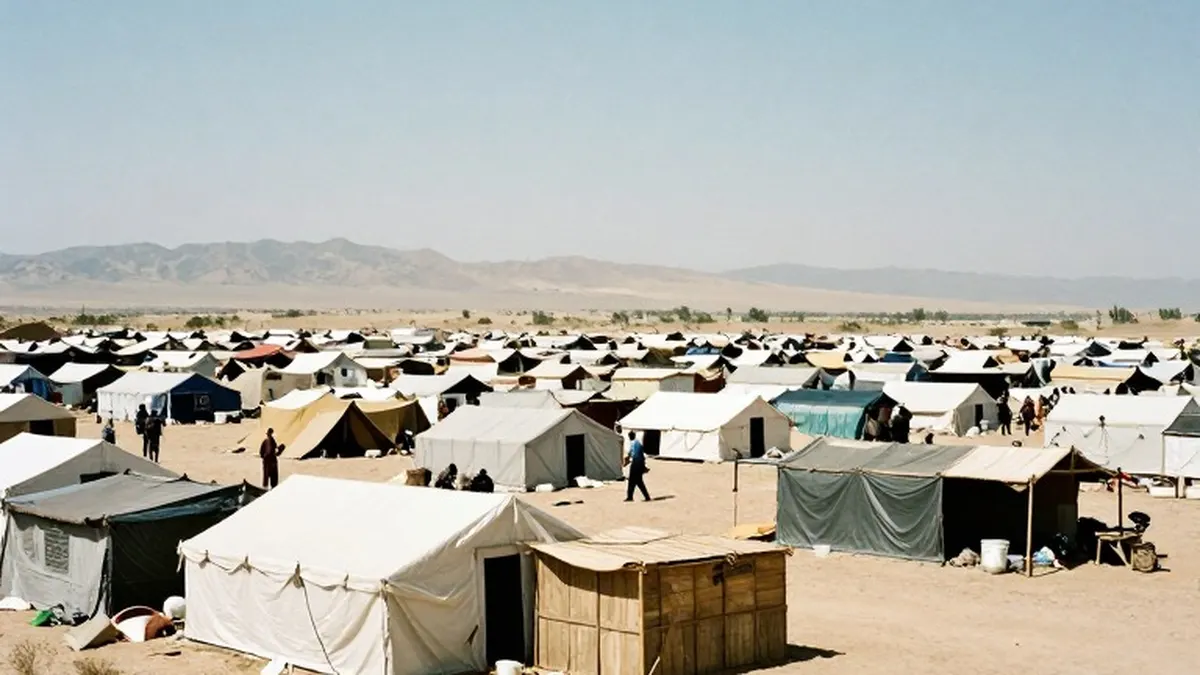
The United Nations refugee agency, UNHCR, and the International Organization for Migration, IOM, issued a joint warning on Friday regarding the critical state of emergency shelter in Sudan. The agencies stated that millions of people displaced by the ongoing civil war face the risk of being left without basic protection due to severe funding shortages and rapidly depleting aid stocks.
According to the joint statement, an estimated 15.4 million people across the country urgently require emergency shelter and essential household items. However, current financial constraints allow humanitarian agencies to prioritize assistance for only approximately 10 percent of those in need. This significant gap between demand and available resources leaves the majority of the displaced population vulnerable.
So far, only 936,000 individuals have received the necessary assistance, highlighting the scale of the shortfall. The two UN bodies emphasized their commitment to working with local humanitarian organizations and other partners. They aim to maintain shared supply pipelines, pre-position emergency stocks in priority areas, and deliver aid where needs are greatest. Nevertheless, the statement noted that these efforts cannot be sustained without predictable and flexible funding.
The current displacement crisis stems from the war that began in 2023 between the Sudanese army and the paramilitary Rapid Support Forces. Since the conflict started, about 8.6 million people have been displaced within the country's borders. This figure makes Sudan the site of the world's largest displacement crisis. In addition to internal movement, more than 4.6 million people have fled across national borders to seek safety in neighboring regions.
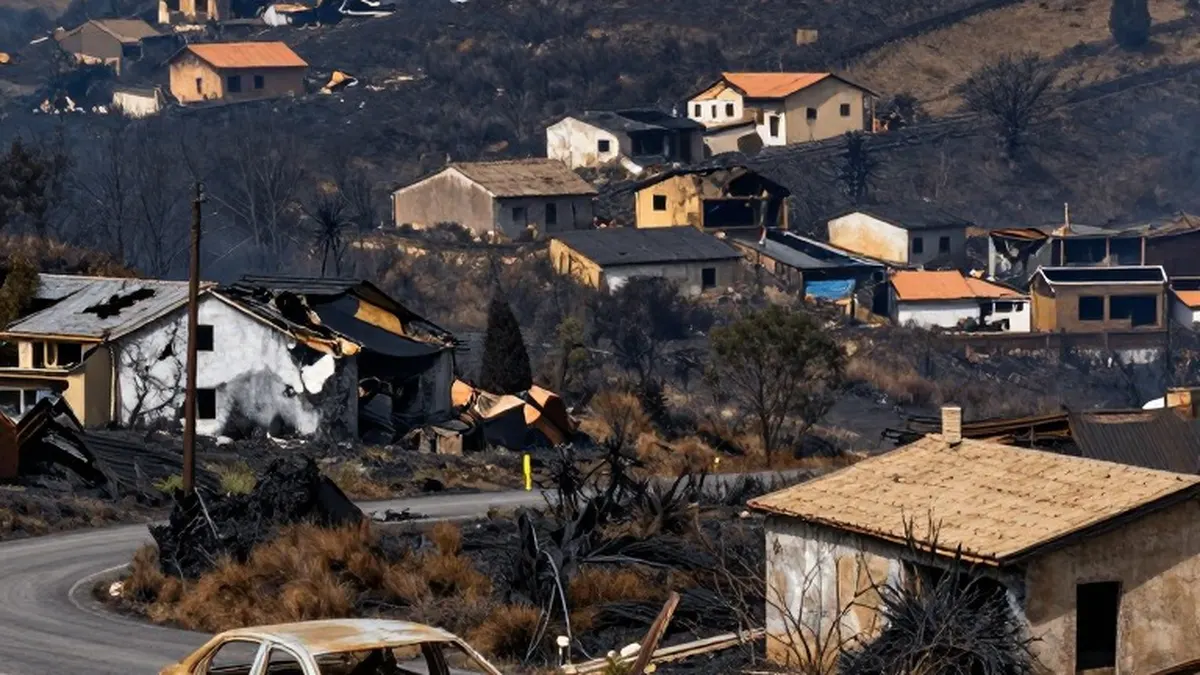
A complex dynamic is also emerging as more than 5.2 million people have returned to their areas of origin. The UN reports that these returnees often find their homes, infrastructure, and basic services destroyed. For these individuals, shelter assistance is frequently the first step toward rebuilding their lives after years of upheaval.
The joint statement underscored the importance of these supplies for families repeatedly displaced by conflict. It described a safe place to sleep and basic household items as far more than everyday necessities. Instead, they provide a measure of safety and dignity, particularly for women, children, and other people at heightened risk.
Speaking from Khartoum, Mohamed Refaat, the IOM Sudan chief, stated that the agency is struggling to maintain its operations as resources dwindle. He revealed that IOM was able to distribute more than 40,000 tonnes of supplies this year alone. However, he noted that the agency's warehouses are now completely empty, illustrating the immediate pressure on logistics and storage capabilities.
Refaat expressed concern that the number of internally displaced people could rise again despite the recent wave of returns. He indicated that humanitarian agencies have already had to scale back their ambitions due to limited funding. The agencies are calling for urgent financial support to replenish emergency stocks and prevent the worsening of conditions for the displaced Sudanese population.