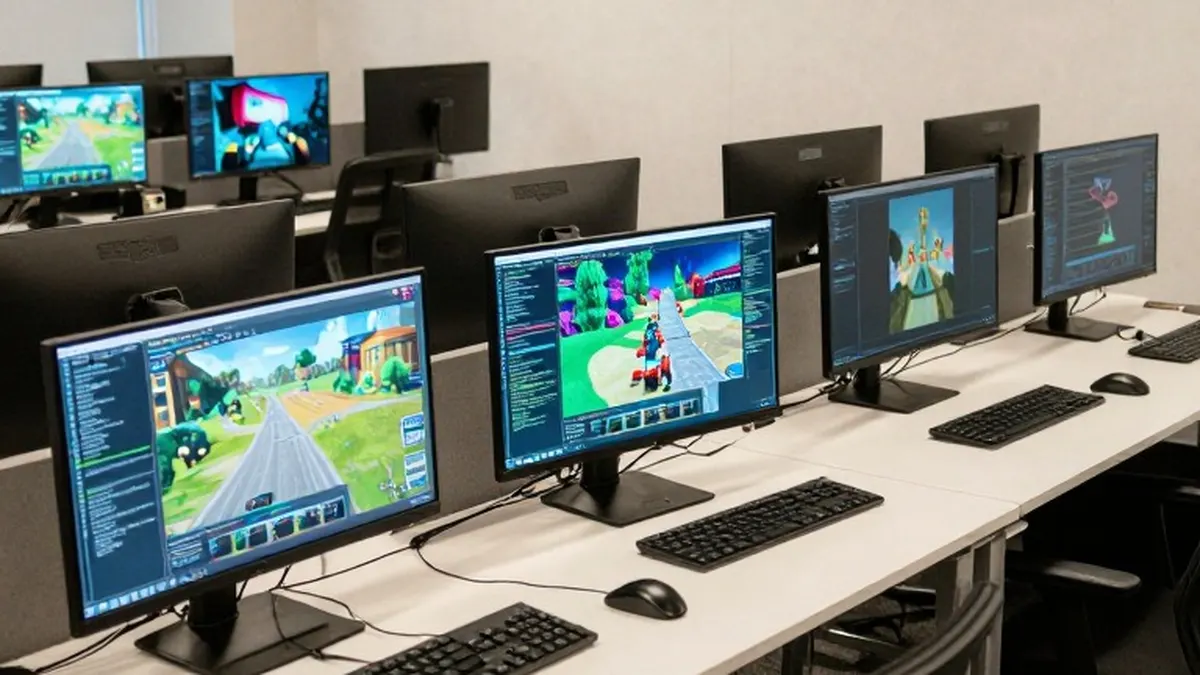
The integration of generative artificial intelligence into the video game industry continues to accelerate, with a significant portion of professionals now utilizing these tools as a standard part of their professional duties. According to the latest annual survey conducted by the GDC Festival of Gaming, 40 percent of developers reported using generative AI in their jobs. This figure marks a notable increase from the 36 percent reported in the 2025 survey, suggesting a steady trend toward broader adoption across the sector.
Usage patterns vary considerably depending on the specific type of game being developed. The survey found that developers working on free-to-play titles reported the highest levels of integration, with 58 percent of those workers using AI tools. The adoption rate was even more pronounced in the mobile sector, where 70 percent of studio workers indicated they were employing generative AI in their production processes. These statistics highlight how different sub-sectors of the industry are embracing the technology at varying paces.
The release of this data coincides with an ongoing industry-wide discussion regarding the role and impact of generative AI in game creation. While a vocal segment of the community, including many independent developers, has expressed strong reservations about the technology, it remains a central topic in current industry conversations. For instance, the technology is influencing discussions surrounding indie awards. The studio House House, developer of the game Big Walk, noted that it used large language models sparingly to assist with specific technical challenges during the final stages of its development cycle.
Beyond new development projects, artificial intelligence is increasingly being applied to the preservation and analysis of existing titles. The technology is being used to reverse-engineer retro games, offering new ways to understand and potentially update older software. This expanding utility demonstrates that the impact of AI is not limited to the creation of new assets but extends to the technical maintenance and study of legacy content as well.
Corporate leadership is also signaling a future where AI plays a pivotal role in the industry. In a recent post, Asha Sharma, the CEO of Xbox, suggested that artificial intelligence would be central to the company's strategy moving forward. Sharma stated that a small team will soon be able to build virtual worlds that currently require hundreds of developers and hundreds of millions of dollars in funding. This perspective underscores the potential for AI to drastically alter the economic scale required for major game production.
The survey provided detailed insights into the specific tasks for which developers are employing these tools. The most common application was research and brainstorming, with 73 percent of respondents indicating they used AI for these purposes. Data analysis and summarization followed closely, reported by 62 percent of the participants. Additionally, 56 percent of developers used generative AI for code generation and debugging, demonstrating its utility in the technical aspects of game development.
While AI is widely used for conceptual and technical tasks, its application in final visual assets remains more limited. Only 22 percent of respondents reported using generative AI for concept art or visual ideation. The usage rate dropped further for production art or final game assets, with just 8 percent of developers indicating they used the technology for these critical components of the finished product. This gap suggests that while AI is a powerful assistant, human oversight remains dominant in the final artistic output.
The report also highlighted the continued challenges facing the workforce, providing context for the industry's current state. The survey included significant data regarding job security, revealing that 34 percent of respondents have experienced a layoff at some point in the past two years. This figure offers a sobering look at the volatility of the employment landscape, even as new technologies like AI become more embedded in the daily workflows of the remaining staff.