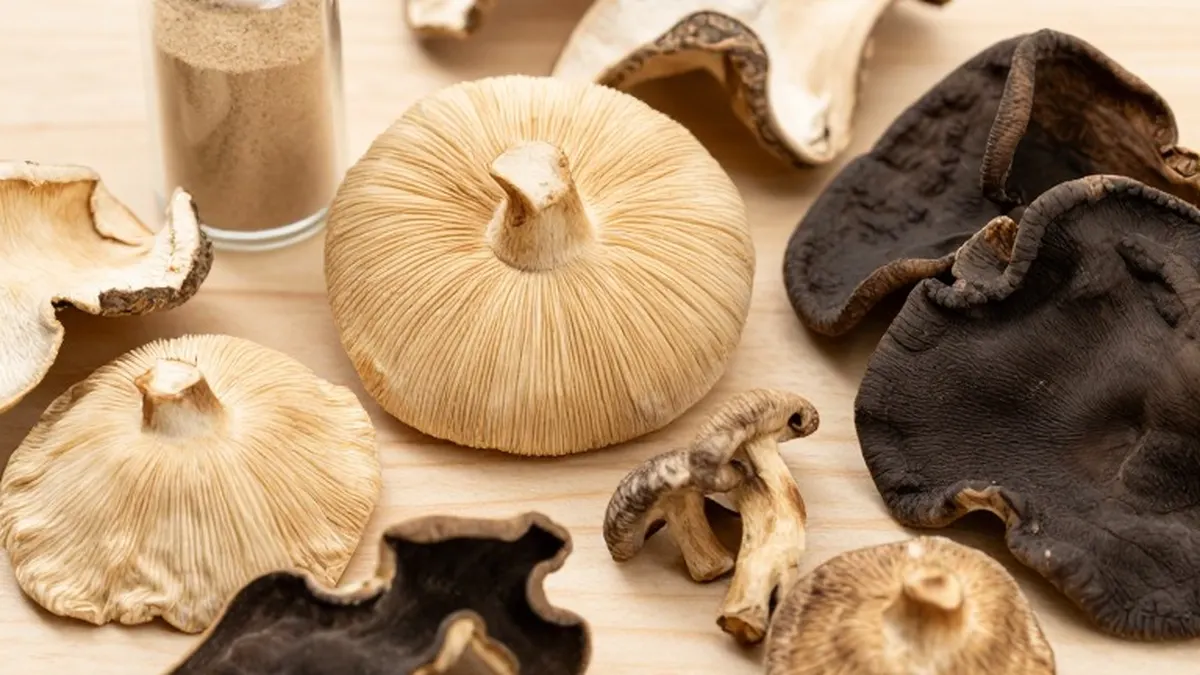
The market for medicinal mushroom supplements has expanded rapidly, with marketers promising benefits ranging from improved cognitive function to enhanced immune health. These products, often derived from species such as lion's mane, reishi, and turkey tail, are widely promoted by influencers and advertisers as tools for slowing aging and boosting energy. While the trend has gained significant popularity, experts are examining whether the scientific evidence supports these bold claims.
Julie Daoust, vice president of science and innovation at Monterey Nutra, has spent her career investigating the chemical properties of fungi. Daoust notes that humans share more biochemical similarities with mushrooms than with plants, which makes fungi a promising source for discovering bioactive molecules. Her company focuses on functional mushrooms, which she describes as natural producers of interesting chemistry used for defense and communication in their environments.
Despite the enthusiasm in the supplement industry, robust clinical trials confirming the safety and efficacy of these products remain limited. Abby Langer, a registered dietitian based in Toronto, suggests that the current body of evidence for functional mushrooms is not yet substantial. She points out that mushrooms absorb materials from the soil in which they are grown, meaning consumers must be cautious about potential contaminants. While traditional use in parts of Asia provides historical context, Langer argues that long-term use does not automatically establish safety or effective dosing.
However, the scientific community acknowledges that research in this area is accelerating. Langer notes that while the clinical data is young, it is accumulating quickly and includes some promising results. Mushrooms are recognized as good sources of vitamin D2 and antioxidants. Their cell walls contain beta-glucan, a compound linked to gut health and immune response, with some studies suggesting a lower risk of conditions such as Crohn's Disease.
One of the most notable areas of study involves PSK, a purified extract from turkey tail mushrooms. Research conducted in Japan has examined its impact on cancer patients. A meta-analysis of eight randomized controlled trials involving 8,009 patients who had undergone surgery for gastric tumors and chemotherapy found that those who also received PSK showed a 12% reduction in the risk of death.
Santhosshi Narayanan, an integrative oncologist at the University of Texas MD Anderson Cancer Center, recognizes the potential significance of these findings. However, she cautions that this does not mean mushrooms alone can cure cancer. She emphasizes the need to understand how these natural products work across different populations, as genetic and treatment variations can influence outcomes and side effects.
Narayanan and her colleagues reviewed thousands of studies on medicinal mushrooms and cancer, but only 39 were considered robust enough for their 2023 analysis. Of those, 31 showed beneficial effects, including improved quality of life and reduced side effects from chemotherapy. Conversely, six studies found no advantage, and two indicated worse outcomes. The analysis concluded that more research is needed to fully understand the complex biological effects of mushrooms on the immune system.
In her assessment, Narayanan believes there is not yet enough evidence to support the routine clinical use of mushrooms in cancer treatment. She advocates for further research to determine which specific patients benefit from which types of fungal extracts.
For the general public, Langer recommends focusing on fundamental nutrition before adding supplements. She suggests evaluating eating habits, such as increasing fiber and protein intake or reducing alcohol consumption. By addressing these basic dietary factors, individuals may find improvements in their health without relying on supplements that are often marketed as a cure-all for various ailments.