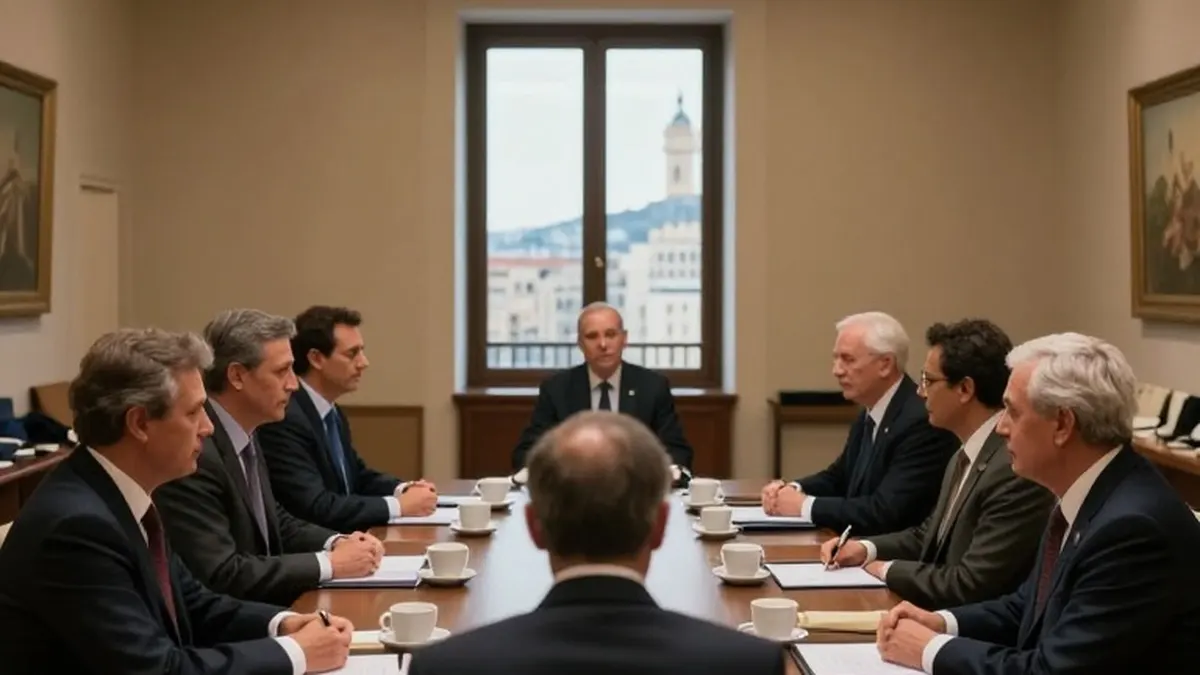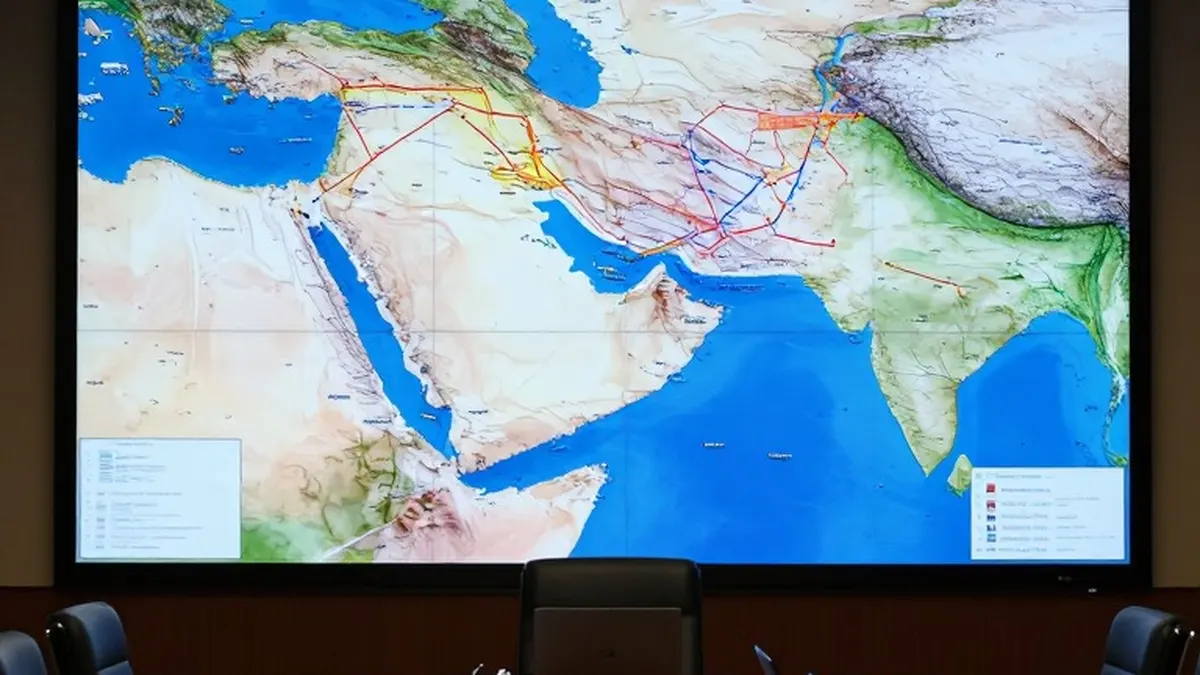
Prime Minister Benjamin Netanyahu has told senior ministers and security officials that a military operation against Iran is now unavoidable, according to reports from Channel 13 released on Wednesday. The Prime Minister is reportedly working to secure the support of US President Donald Trump for a conflict that could last several days.
An unnamed senior officer in the Israel Defense Forces stated that Israeli and US Central Command forces have shared and approved plans for a joint strike. The officer noted that the only remaining variable is the timing of the operation, with both nations currently awaiting a final decision from the White House.
US President Donald Trump, who previously described new strikes on Iran as quite unlikely, has directed the Department of Defense and intelligence agencies to evaluate how Tehran would react to various attack scenarios. The White House is specifically assessing whether a military campaign can be conducted without risking large-scale Iranian retaliation against energy infrastructure in the Gulf region, according to Axios.
These reports follow a meeting on Wednesday between Adm. Brad Cooper, the head of US Central Command, and Lt. Gen. Eyal Zamir, the Chief of Staff of the Israeli military. Cooper also met with Roman Gofman, the head of Mossad, before traveling to Saudi Arabia to consult with Gulf leaders. Gofman, a close ally of Netanyahu who took office in June, is said to favor a return to military action and recently visited the United States to push for renewed bombing.
While Gofman supports an immediate escalation, Zamir is reportedly the only top security official opposing a quick renewal of strikes. This division occurs as Israeli political parties opposed to Netanyahu attempt to form a government following the Knesset election on October 27, in which the Prime Minister lost his parliamentary majority. Sources from the Washington Post indicated that Netanyahu has ordered Gofman to prepare covert operations without informing Zamir or the full cabinet.
Meanwhile, tensions remain high regarding Iran's nuclear program. At a board meeting of the International Atomic Energy Agency on Thursday, the US, Britain, France, and Germany accused Iran of stonewalling inspectors. The four Western powers urged Tehran to allow access to nuclear sites that were damaged during the 12-day war in June 2025.
Iran has not granted the IAEA access to those facilities since the strikes destroyed or damaged its three known uranium enrichment plants. Although Tehran has stated it opposes nuclear arms, it has not explained what happened to its stockpile of highly enriched uranium, which included material close to weapons grade. The Western powers expressed concern that the agency has lost continuity of knowledge regarding this stockpile for a year and a half.
The IAEA Director General, Rafael Grossi, informed the board that the only inspections conducted in the last quarter took place at the undamaged Bushehr nuclear power plant. The four countries emphasized that there is no technical reason preventing inspectors from returning to the affected sites and that Iran is currently stalling the process.
Iran has argued that the US and Israeli attacks caused the current standoff, suggesting that the push for immediate inspections is a cover for gathering intelligence for a renewed attack. The country also cited a US offer of a reward of up to $20 million for information on its nuclear program as evidence of further planning for illegal attacks and sabotage.
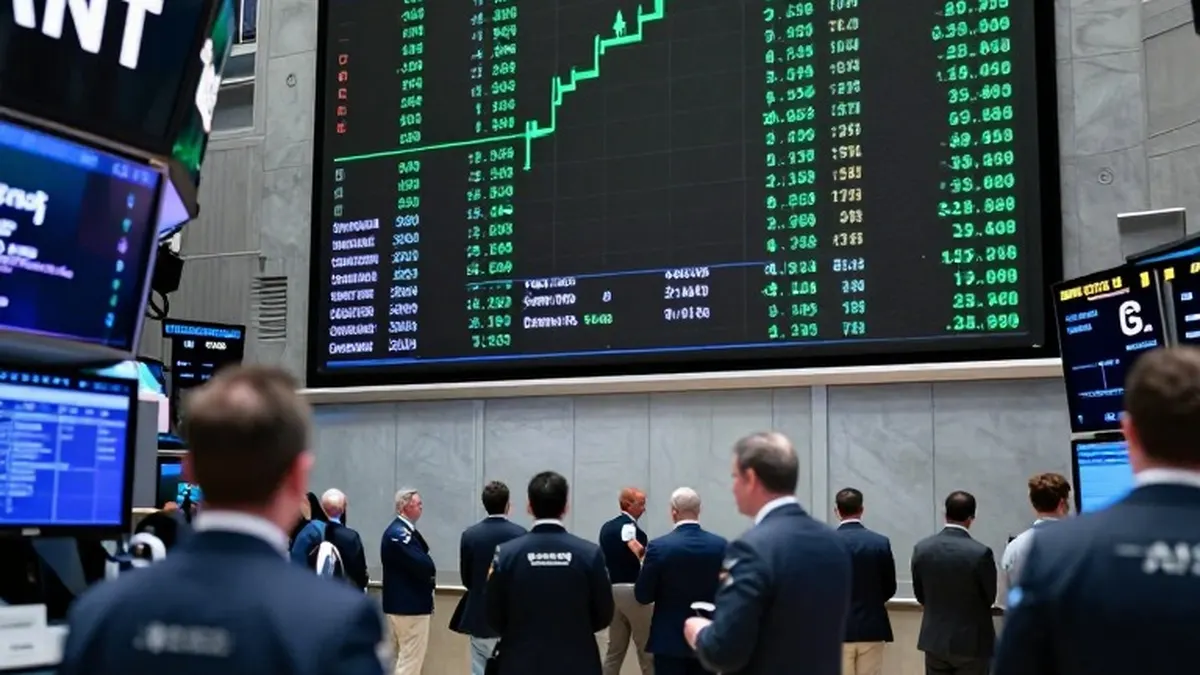
The ongoing conflict has had significant global economic repercussions. The International Energy Agency warned on Thursday that the Middle East crisis has created the largest threat to energy security in history. The agency's annual World Energy Outlook stated that consumers are increasingly bearing the cost of the conflict as buffers are exhausted. IEA Executive Director Fatih Birol noted that the crisis in the Strait of Hormuz dwarfs the oil shocks of the 1970s, with governments intervening to provide shelter for consumers but failing to prevent higher prices and supply shortfalls.