New College of Florida can proceed with a borrowing plan of up to $47.5 million after receiving approval Friday from the Florida Board of Governors. The board also approved $101 million in borrowing for Florida Polytechnic University. Both proposals required exceptions to the State University System's usual financing guidelines.
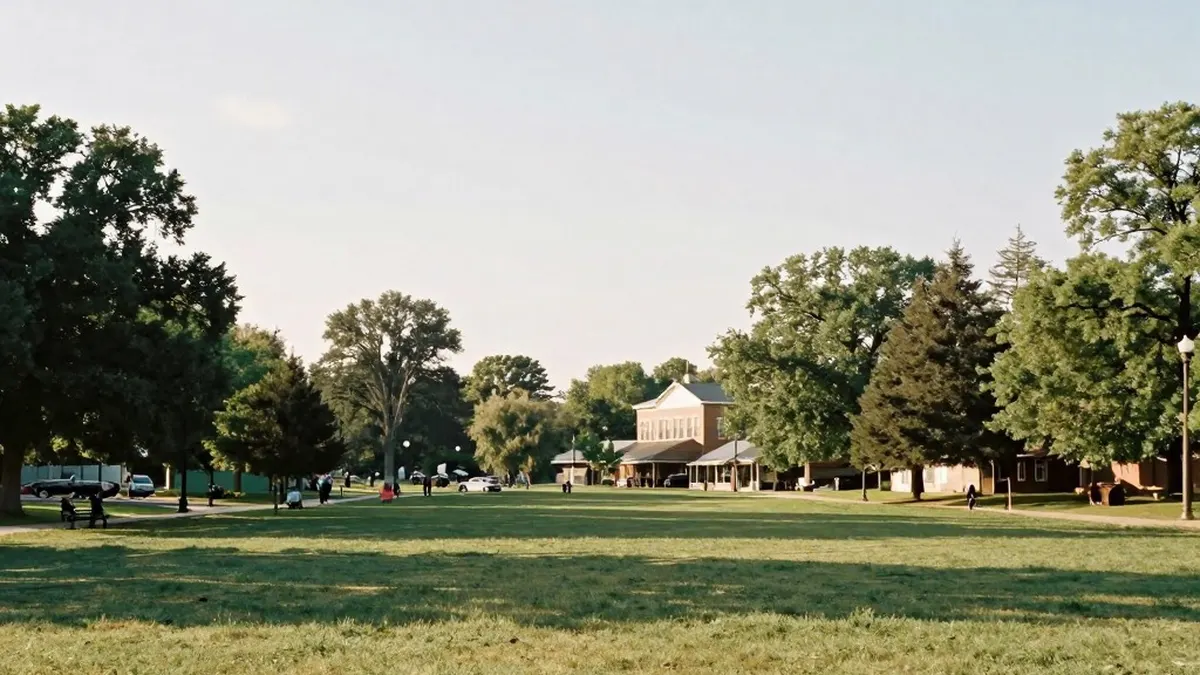
For New College, the financing will address roughly $16 million in existing debt and $28.5 million in new debt associated with acquiring the USF Sarasota-Manatee campus. The transfer was included in the state budget earlier this year, but depended on New College obtaining the financing needed to complete it.
New College's arrangement combines a $40 million BankUnited loan with between $4 million and $7.5 million from a private investor. At Friday's meeting, officials identified that investor as Aldina L.C. Florida business records list Sarasota Film Festival chairman Mark Famiglio and accountant George Famiglio as running the company. Kevin Pichard, the board's associate vice chancellor of finance and facilities, said Aldina is serving as trustee for a nearly 40-year-old family trust affiliated with three New College alumni.
The plan also calls for higher student housing rents. Pichard said New College will raise its housing system rental rates by at least 10% in fiscal 2028, followed by annual increases of 5% in fiscal 2029, 2030 and 2031. The financing includes interest-only payments at the outset, with debt payments increasing over time rather than remaining level.
Pichard outlined three departures from the system's debt guidelines: the private investor, the rising payment structure and a debt service coverage ratio that will not reach the required minimum of 1.20 until around 2037. He said board staff and the Division of Finance reviewed the arrangement and considered the New College Foundation's financial backing a mitigating factor. New College has said the foundation would help cover shortfalls.
Board member Ken Jones acknowledged that the proposals fell outside normal guidelines, but said exceptions are sometimes necessary when universities are expanding enrollment, as both institutions are.
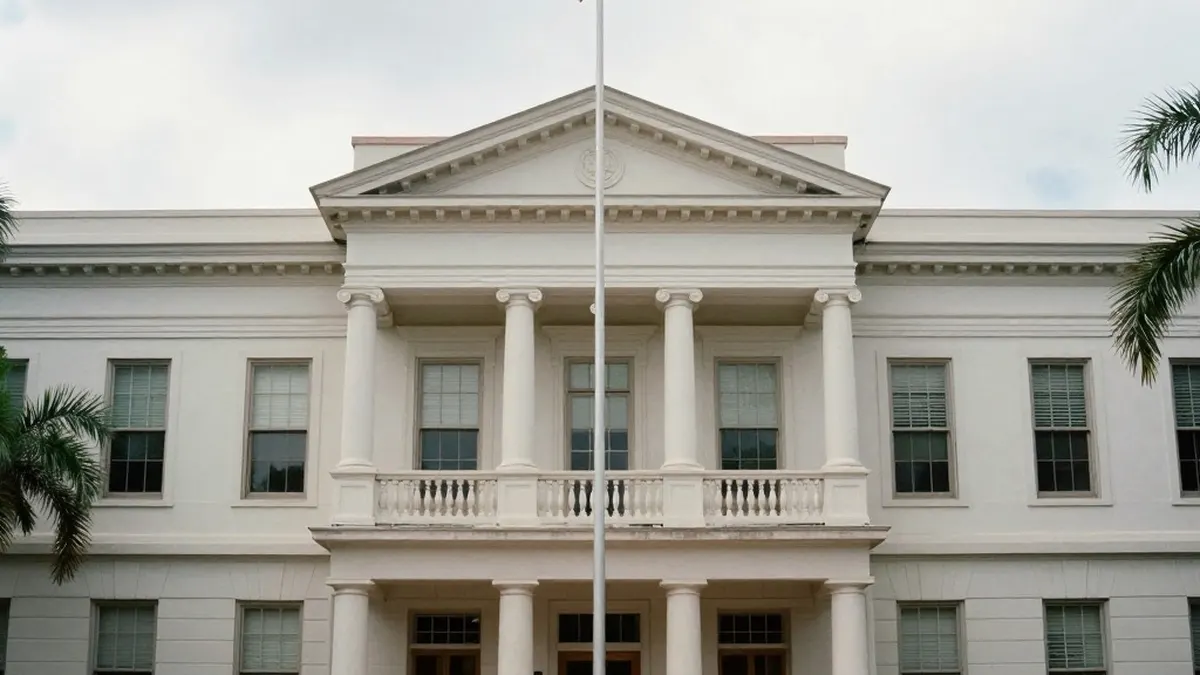
Florida Polytechnic's approval allows the Lakeland university to pursue a public-private partnership for a housing facility, a dining hall, 500 additional parking spaces and related infrastructure. President Devin Stephenson said student housing is significantly short of demand, with no substantial nearby alternatives. Residence halls are full, and applications have increased 31% compared with the same point last year.
Stephenson also said the existing dining building has reached capacity, with seating for 300 that needs to at least double. Florida Polytechnic's approximately $101 million financing package consists mainly of insured senior bonds, alongside some uninsured subordinate bonds, at a 6% interest rate over 40 years rather than 30.