
The NFL is undergoing a significant transformation in its approach to international expansion. What began as a novelty in 2003, when preseason games required temporary field markings in Tokyo, has evolved into a comprehensive strategy to establish American football as a global sport. Peter O'Reilly, the league's executive vice president of club business, international and league events, stated that the commitment is designed to make the NFL a permanent global presence. This shift marks a departure from the early days when the league would simply drop into new markets without existing fan interest.
The league recently concluded its most active international season yet, hosting nine games across four continents. For the first time, regular-season matches were held in Rio de Janeiro, Paris, and Melbourne. Next year, the NFL intends to play ten international games, which is the maximum allowed under the current collective bargaining agreement. While the full list of venues has not been released, sources suggest a return to Dublin in 2027 is likely. Commissioner Roger Goodell has also expressed interest in holding multiple games in Germany, potentially in Munich and Berlin, which remain among the league's most popular international locations.
The long-term vision involves playing 16 international games annually, a goal that would require every team to host a game each year. This expansion would likely wait for the next full renegotiation of the collective bargaining agreement with players. In the meantime, the league is accelerating its global footprint. The number of international games has grown from five in 2024 to nine this year, including the farthest regular-season game ever played in Australia.
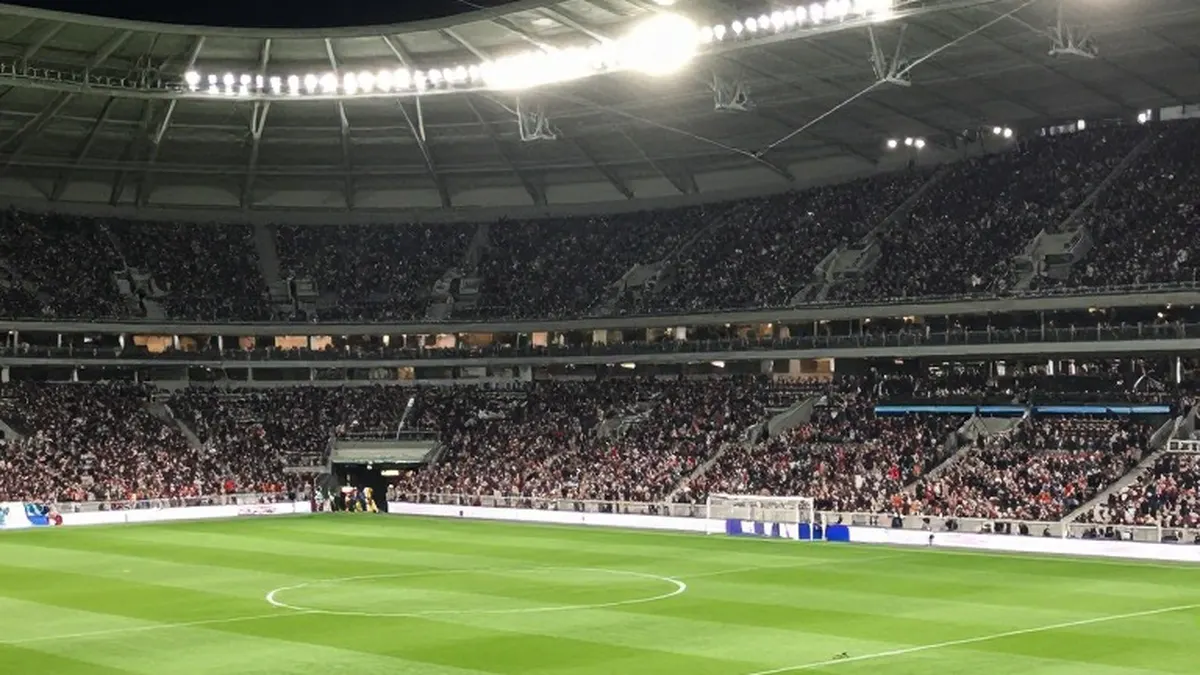
Attendance and viewership numbers indicate that the market is not oversaturated. More than 100,000 fans attended the Melbourne game, which drew over 3.2 million viewers outside the United States. In Paris, the attendance figure reached 78,488. Domestic audiences also showed strong interest, with Netflix reporting 18.5 million viewers for the Rams and 49ers match in Melbourne. Fox Sports noted that the Munich game between the Patriots and Lions had the highest rated Sunday morning telecast in network history.
Resistance from coaches and players to international travel has largely dissipated over time. Modern trips are described as turnkey and manageable. Players have embraced the opportunity to build personal brands in new markets. For example, Bengals quarterback Joe Burrow highlighted the cultural experiences, such as visiting the Prado museum in Madrid, as part of making the game global. A team executive noted that the initial skepticism of having to play abroad is now a thing of the past.
Current concerns from teams focus on operational details such as communication systems, replay technology, and practice facilities. To ease the transition, teams have taken steps to replicate home comforts, including sending specific food items like Goldfish crackers to London. However, challenges remain, particularly regarding field conditions. In Rio, historic rainfall required last-minute field maintenance. Steelers defensive lineman Cameron Heyward noted that fields used for rugby, like in Dublin, offer better footing than soccer pitches.
The NFL Players Association emphasizes the importance of equitable travel logistics and player welfare. The union is interested in standardizing travel protocols, such as arrival times and hotel quality. These discussions will likely form part of broader contract negotiations that also include a push for an 18-game regular season. JC Tretter, the NFLPA executive director, stressed that fans abroad connect with players first, so ensuring their well-being is crucial for growing the sport.
The league's strategy extends beyond single games to include year-round engagement. This involves opening local offices, hosting events, and establishing flag football leagues to cultivate young fans. Marc Ganis, a business consultant, described the games as catalysts rather than end goals. The NFL is focusing on returning to existing markets like Dublin and Germany to deepen fan loyalty before expanding to new areas.
Future expansion possibilities include Barcelona, the Middle East, China, and India. While Europe will continue to host the majority of games in the early morning Eastern Time slot, the schedule makers face the challenge of managing travel demands across multiple continents. The NFL aims to balance optimal local weather with the logistical realities of global travel.
Despite the progress, cultural differences in sports familiarity persist. American football is still learning to integrate into markets where soccer or rugby are dominant. As the league moves forward, it recognizes that the journey to becoming a truly global entity is still in its early stages, with much work remaining to build lasting continuity and fandom.





