Nintendo’s remake of The Legend of Zelda: Ocarina of Time for Switch 2 combines updated graphics and greater freedom of movement with an effort to preserve the original adventure. Speaking to The Verge ahead of launch, producers Eiji Aonuma and Hidemaro Fujibayashi described a development process focused on deciding which changes would serve the game and which elements should remain.
The team brought together veterans and younger developers, including some who had never played the original. Aonuma was a director on the Nintendo 64 game and now oversees the franchise at Nintendo, while Fujibayashi is known for directing Breath of the Wild and its sequel. Fujibayashi said younger colleagues were particularly careful about protecting the original experience. “They’re looking for elegance,” he said, explaining that their focus was on retaining what mattered rather than adding features simply for novelty.
The remake gives players full camera control and the ability to jump freely, expanding movement beyond the restrictions of the 1998 release. Aonuma said allowing unrestricted jumping required adjustments to the world. Although initially uncertain about the change, he found that it offered players another way to reach objectives. He said the additional freedom also created a connection with Breath of the Wild and Tears of the Kingdom.
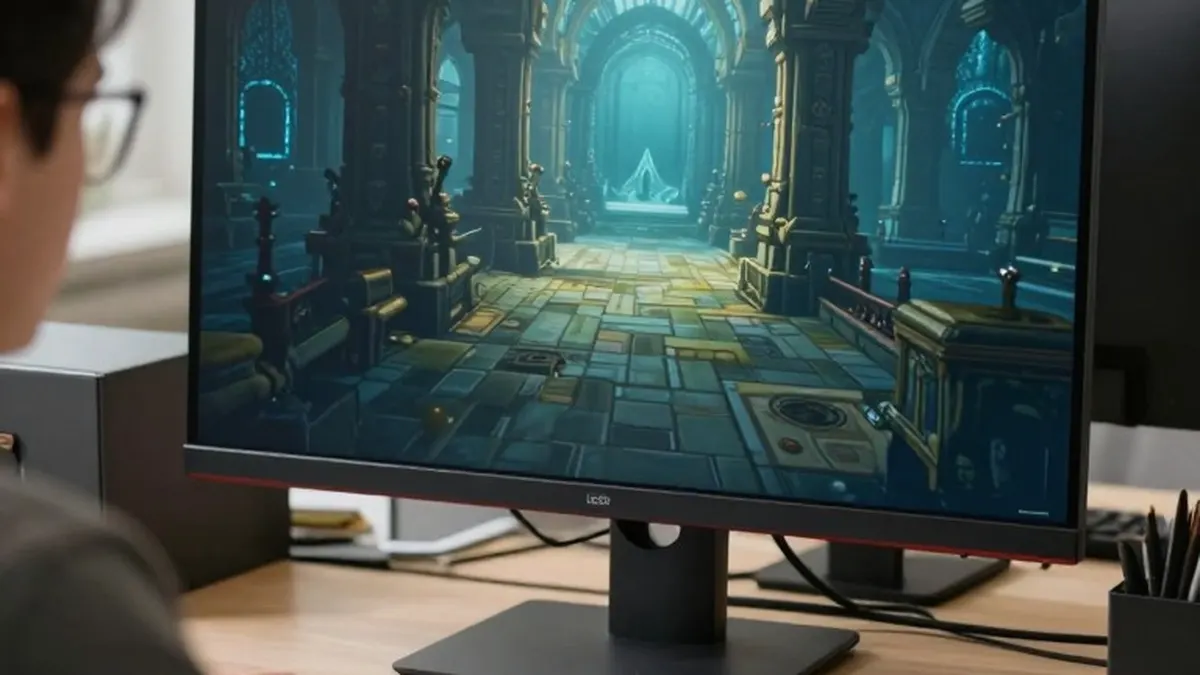
The visual overhaul combines realistic and fantastical elements to reveal details that the original hardware could not display, according to Aonuma. Production has also grown substantially since the Nintendo 64 era. He recalled that background design once might have been handled by a single person, whereas modern development involves more staff and time, making team management more difficult.
Other changes address how the game guides players. Navi, the fairy accompanying Link, speaks less frequently in the remake. Aonuma said the original team added hints to help players finish the adventure, but balancing assistance with opportunities to think independently proved difficult. The remake uses in-game text to record progress, allowing players to review their journey and remember what they have accomplished.
The Water Temple also received changes intended to make navigation less cumbersome. In the original, players faced an awkward camera and repeatedly opened menus to use essential items. The remake modernizes those elements, helping players see and move through the underwater dungeon. Fujibayashi recalled finding the original temple difficult, while Aonuma welcomed the interviewer’s assessment that the revised version was easier.
As Zelda marks its 40th anniversary in 2026, Aonuma said preserving Ocarina’s more traditional approach remains important alongside the franchise’s other styles. He pointed to the open world of Breath of the Wild and the puzzles of Echoes of Wisdom as examples of that variety. He also expressed hope that younger staff would continue expanding the series with ideas of their own.