A historic nationwide ground stop on Friday left tens of thousands of travelers stranded, forcing many to endure significant delays and sleep on airport floors while nearby hotels raised their prices. While the disruption tested the patience of the public, one woman, Tara Harding, chose to take matters into her own hands rather than wait for her flight to be rescheduled.
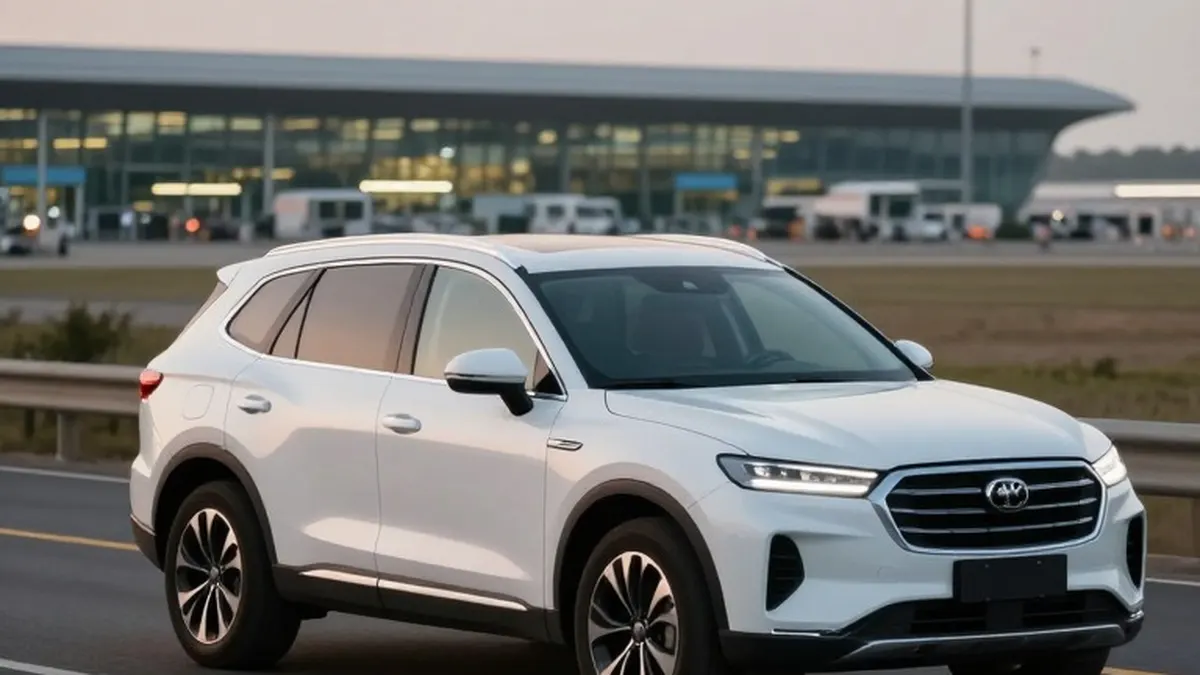
Harding, who is based in North Dakota, was in Charlotte, North Carolina, when her flight was rescheduled four times before being canceled entirely. To ensure she and her two employees could return home safely, she decided to purchase a Ford Bronco on the spot. The journey back covered approximately 1,500 miles and took a total of 27 hours, according to an interview with CBS Mornings.
Harding explained that her decision was driven by a desire to get her team home to their families as quickly as possible. She noted that the trip was not just about her own convenience but also about the well-being of her staff. After exploring other options such as rental cars, rideshares, Amtrak trains, and Greyhound buses, she found that none were available or suitable for their needs, leading her to buy the vehicle outright.
The experience has created a strong bond between Harding and the new SUV. She indicated that she intends to keep the vehicle following the cross-country drive. She described feeling connected to the car because of the unique story behind its acquisition, adding with a laugh that they are likely to keep it now.
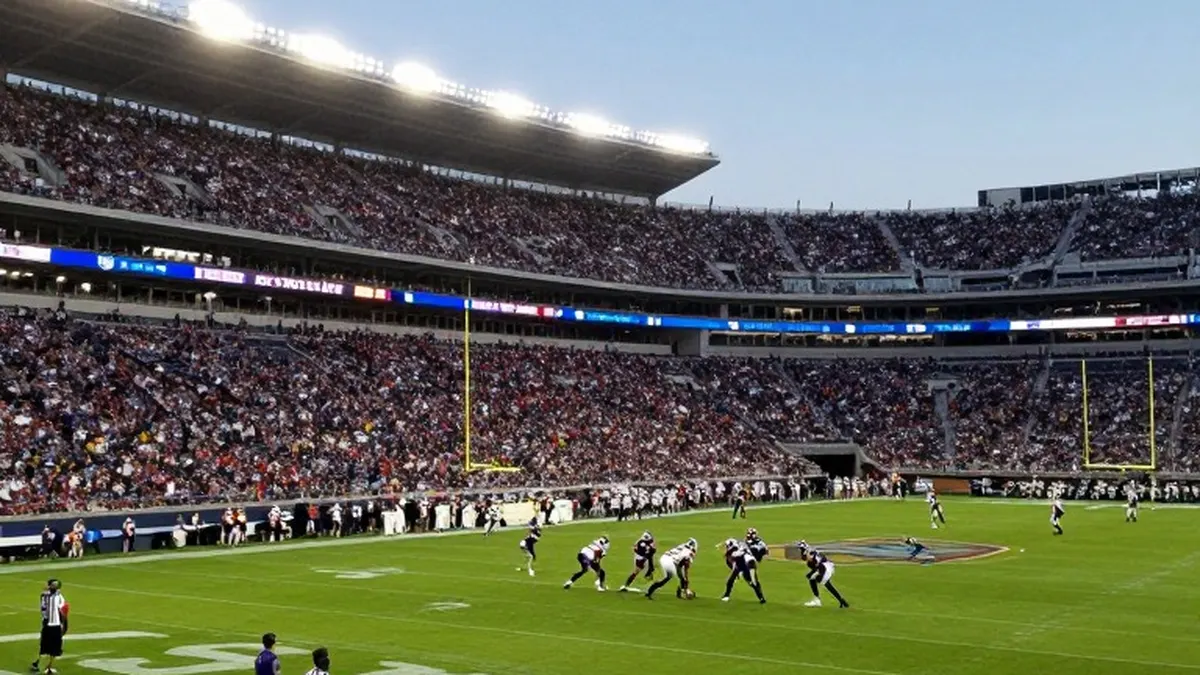
Harding was not the only traveler to resort to unconventional methods for completing their journeys. Kevin McGrew, who was traveling to watch his first home Notre Dame football game, found his flight diverted twice. Unable to find a better alternative, he rented a 10-foot U-Haul and drove through the night for five hours to reach his destination.
The scale of the disruption was massive, with data from FlightAware reporting approximately 18,000 flight cancellations as of Monday. The FAA initiated the ground stop on Friday afternoon while 3,500 flights were already in the air. This event marked the longest nationwide ground stop since September 11, 2001, lasting for more than four hours.
Transportation Secretary Sean Duffy attributed the incident to a communication issue that impacted all Air Route Traffic Control Centers. He explained that the problem stemmed from maintenance updates being performed at a remote facility in Arkansas by FAA contractor L3Harris Technologies. The work involved replacing aging copper communications lines with fiber-optic connections.
Duffy stated that the replacements apparently overwhelmed the FAA's router network, knocking out communications across the system. He acknowledged that the telecommunications network is old and requires updating, upgrading, and potentially a complete rebuild. At the time of the incident, both the FAA and the FBI launched investigations to determine the root cause of the outage.
In a news conference on Saturday, Duffy expressed a commitment to transparency regarding the findings of the investigation. He questioned whether the issue was caused by the installation process from L3Harris or a failure in the router itself. He assured the public that the results of the investigation would be shared with the American people once the facts are established.