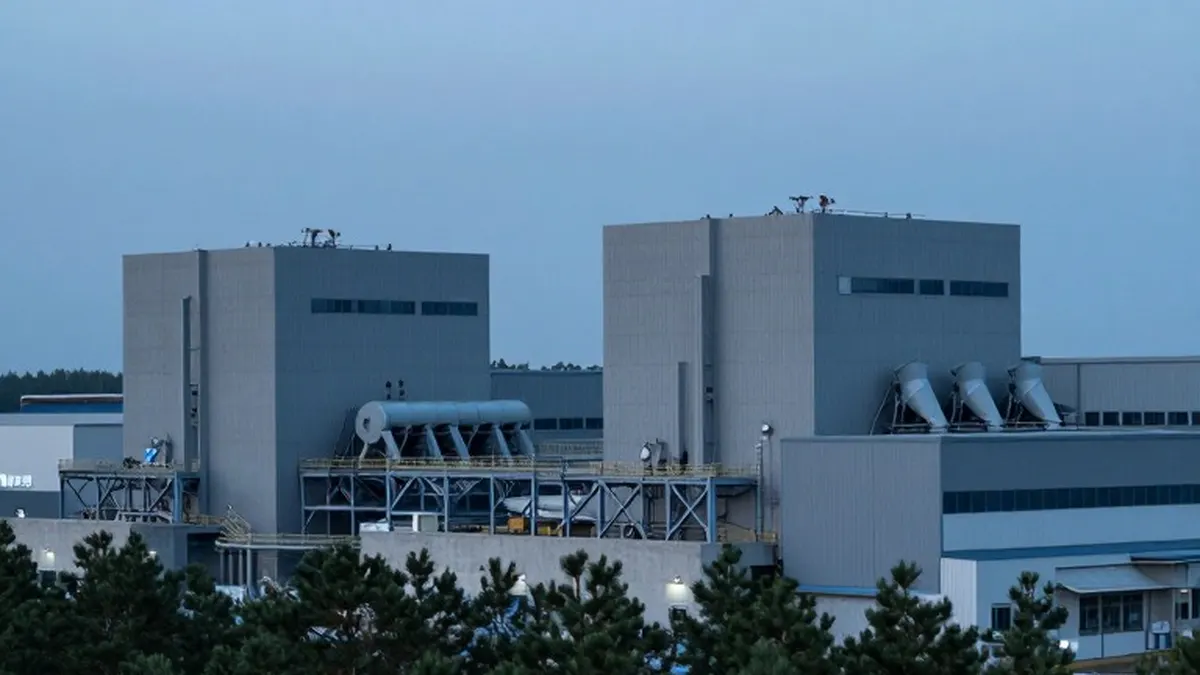
North Korean leader Kim Jong Un declared that his country should prioritize the deployment of tactical nuclear weapons across various operational domains. Speaking during an inspection of facilities dedicated to nuclear material production and weapons research, Kim emphasized that the nation's capacity to produce nuclear material is being systematically expanded. The statements were reported by the state media agency KCNA on Thursday.
During the visit, Kim described North Korea's status as a nuclear weapons state as absolutely inviolable. He asserted that this standing would not be altered by outside assertions or what he termed denuclearisation rhetoric from forces that ignored objective reality and failed to recognize the changed situation. KCNA did not specify the names or exact locations of the facilities inspected during the tour.
The leader characterized recent advancements in nuclear weapons production as a major success in implementing the country's nuclear force policy. He stated that the nation's nuclear capability has become a reality and urged a focus on utilizing tactical nuclear weapons across multiple domains to fulfill different missions. This strategic direction highlights a shift toward more versatile and immediate nuclear options for Pyongyang.
Kim further described the possession of nuclear weapons as an absolutely irreversible choice. He argued that as long as malicious forces exist that use nuclear weapons as a means of achieving hegemony, North Korea will maintain its arsenal. This rhetoric underscores the leadership's view that the nuclear program is a core guarantee of national sovereignty and security that will not be relinquished.
The leader warned that any attempt to deny North Korea's nuclear status would be regarded as an open declaration of war. This position aligns with the country's constitutional changes, as North Korea enshrined its status as a nuclear state in its constitution in 2023. The strong language reflects a continued stance of defensive confidence and strategic autonomy.
North Korea has conducted six nuclear tests since 2006. The most recent and most powerful of these tests took place in 2017. Since then, the country has continued to develop its nuclear and missile programs, though the pace of major tests has slowed compared to previous years.
Estimates regarding the size of North Korea's nuclear arsenal vary. In August, South Korea's defense minister noted that Pyongyang is generally believed to possess between 80 and 120 nuclear warheads. However, the minister clarified that this estimate was derived from private research organizations and could not be officially confirmed by the South Korean government.
The latest remarks from Kim Jong Un reinforce the message that North Korea views its nuclear program as a central pillar of its national defense strategy. By calling for wider deployment of tactical weapons, the leadership signals an intent to integrate these capabilities more fully into its military doctrine.
The inspection of production and research facilities serves to demonstrate the ongoing operational status of the nuclear program to both domestic and international audiences. While specific details of the new tactical weapons were not disclosed, the emphasis on multi domain deployment suggests a focus on versatility in potential conflict scenarios.
As geopolitical tensions in the region persist, the North Korean leadership continues to assert its nuclear identity with increasing firmness. The combination of expanded production capacity and a rigid stance on sovereignty positions the country as a determined nuclear power on the global stage.