Nothing has officially confirmed that its first dedicated artificial intelligence device is set to arrive in December. The announcement comes from Carl Pei, the company's chief executive, who shared the news via a post on the social platform X. This development marks a significant milestone for the brand, occurring just over a year after Pei first outlined plans to create AI-native hardware and a corresponding operating system.
While Pei kept the specific design and technical specifications of the new gadget under wraps, he highlighted a key differentiator: the device will not feature a screen. In his message, the CEO described the product as a tool built with the same personality and care that has become synonymous with Nothing's brand identity. He emphasized that the form factor was essential to its function, stating that the product simply could not have been developed as a standard mobile application.
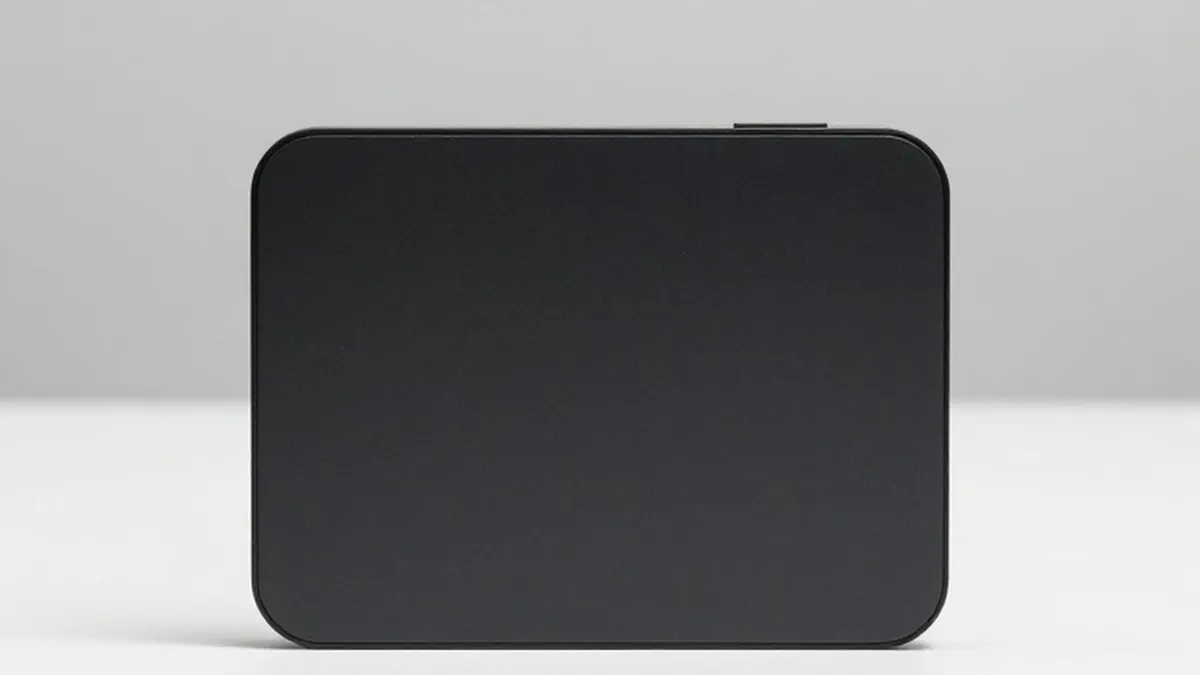
The announcement was accompanied by a visual teaser. The image displayed the brand's logo in the upper left corner, positioned above a vague black shape with rounded corners. This minimalistic reveal has fueled speculation about the physical form of the device, leaving consumers and industry observers to guess what the hardware will look like when it is formally unveiled.
The timing of this launch aligns with recent industry chatter regarding Nothing's strategic direction. Last month, reports emerged suggesting that the company was planning to release two distinct pairs of AI-powered smart glasses. One of these rumored iterations was notably designed without cameras. Additionally, earlier whispers indicated that Nothing was in the process of repositioning itself as an AI-first company, with a primary focus on developing new AI accessories.
The new Nothing device joins a growing category of screen-free AI gadgets that have entered the market in recent years. Notable predecessors in this space include the Humane AI Pin, the Friend device, and various AI-enabled stuffed animals. These products have attempted to redefine how users interact with artificial intelligence by moving away from traditional visual interfaces.
Pei placed the new launch in the context of the broader industry's search for a breakthrough consumer product. He noted that the entire sector is currently hunting for its own equivalent of the iPhone moment. This quest involves exploring various form factors, such as pendants, pins, glasses, and digital companions, all in an effort to integrate AI seamlessly into everyday life.
Despite the current trend toward wearable and ambient devices, Pei expressed a contrarian view on the current state of AI hardware development. He argued that looking for the next iPhone in today's AI landscape is a dead end. This sentiment suggests that Nothing believes a different approach is required to successfully bring AI to the masses, rather than simply replicating the success of previous smartphone eras.
OpenAI is also reportedly engaged in similar efforts, with reports indicating they are working on an AI smart speaker in collaboration with designer Jony Ive. This parallel development highlights the intense competition among major tech players to establish a dominant position in the emerging AI hardware market. Nothing's entry into this space adds another layer of complexity to an already crowded field of experimental devices.
As the December launch date approaches, attention will turn to how Nothing positions this screen-free tool against its competitors. The company's history of creating distinctive and visually unique electronics suggests that the new AI device will likely carry a strong design identity. Whether this lack of a display will be a selling point or a barrier to adoption remains to be seen as more details are revealed in the coming weeks.