Parastoo Ahmadi, a prominent Iranian singer, was subjected to 74 lashes on Monday following her conviction for outraging public decency. The corporal punishment stems from a livestreamed concert she held in 2024, during which she performed without the head covering that is mandatory for women in the Islamic Republic.
According to her attorney, who was quoted by the reformist newspaper Etemad on Monday, Ahmadi and four members of her production team presented themselves to provincial authorities in the holy city of Qom. This step was required after a local criminal court upheld their sentences in September. The court cited immoral content posted online from the December 2024 performance, which had gone viral within the country, as the basis for the conviction.
In addition to the flogging, Ahmadi and eight other team members received sentences that include a two-year ban on traveling outside the country. They are also prohibited from engaging in any artistic activity for the same duration. These penalties reflect the strict enforcement of cultural and religious norms by the state.
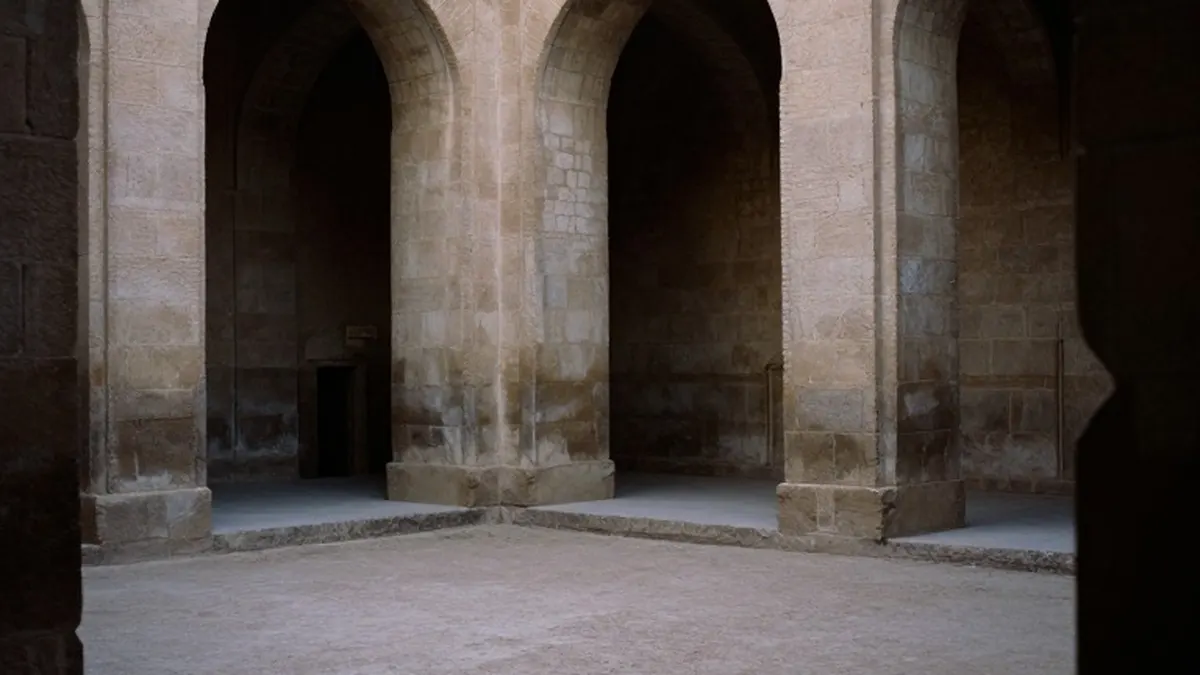
The original concert took place at the Dayr-Gachin Caravanserai, an ancient site located along the historic Silk Road route. The performance featured themes of nationalism and popular uprising. By appearing without a head covering and singing in public, Ahmadi openly defied both the official dress code and a long-standing prohibition against women performing vocally in public spaces.
The news of the punishment has spread rapidly across Iran, echoing the widespread attention her original performance received two years ago. Many citizens view the flogging not merely as a legal consequence but as a significant political statement. It has reinforced Ahmadi’s image as a central figure in the ongoing struggle for civil liberties.
Marjan, a 41-year-old optician from Karaj, a city northwest of Tehran, spoke to CBS News on Tuesday about the emotional impact of the event. She stated that the flogging caused her deep pain, feeling as though she herself had been punished for doing what she wanted. She described the connection to Ahmadi as deeper than simple sympathy, noting that Iranian women identify with the singer on a psychological level.
Marjan, who declined to provide her full name, labeled Ahmadi a symbol of resistance. She explained that both the initial concert and the subsequent punishment are acts of defiance. According to Marjan, the regime is not afraid of women who sing, but rather of people who courageously carry out actions that the state has prohibited.
Thoraya, a 32-year-old resident of Tehran, agreed with this assessment. She told CBS News that the punishment targets the exercise of fundamental rights, specifically freedom of speech and creative expression, rather than the art itself. She argued that no state has ownership over the voices of its citizens and that singing should not be considered a crime.
Thoraya emphasized that political obedience should not be a precondition for artistic expression. While she felt solidarity with Ahmadi, she described this bond as primarily human rather than political. She noted that she was not speaking on behalf of the singer but rather recognizing that Ahmadi’s right to wear what she chooses and pursue her artistic life is also her own right.
The case highlights the continuing tension between the Iranian government’s cultural regulations and the public’s desire for greater personal and artistic freedom. As the news of the flogging circulated, many citizens expressed a sense of shared burden, viewing Ahmadi’s experience as a reflection of their own struggles against repressive norms.