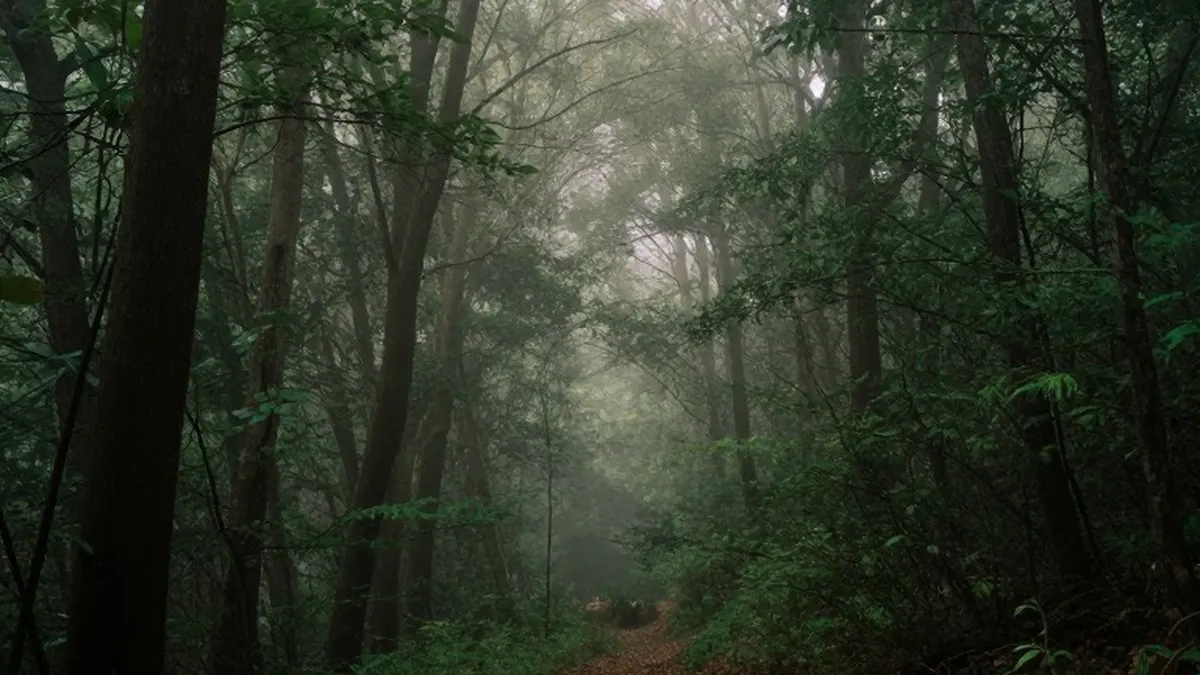
A Kenyan court has delivered a significant verdict in the ongoing legal proceedings against Paul Mackenzie, the leader of a controversial Christian doomsday cult. Mackenzie was found guilty of the manslaughter of 123 of his followers in Mombasa. The victims, all of whom were adults, were ordered by the cult leader to fast until they died within the Shakahola forest, located near the coast.
This latest conviction adds to the severe penalties Mackenzie has already faced. Earlier this month, the same court sentenced him to 200 years in prison for the murder of 191 people. In that prior trial, nearly all of the victims were identified as children who perished in the same series of mass killings. The new verdict marks a continuation of the judicial process aimed at addressing the full scope of the tragedy in the forest.
Mackenzie had pleaded not guilty to the charges of manslaughter in this specific case. According to reports from Reuters, one of his legal representatives indicated that the defense intends to file an appeal against the conviction once the sentencing phase is complete. The legal team is expected to challenge the findings of the court in the coming weeks.
The trial did not result in convictions for all accused parties. The court also found 29 other individuals guilty of their participation in the manslaughter. This group included Mackenzie's wife, Rhoda Mumbua Maweu. In contrast, sixty other defendants were acquitted of the charges. The Director of Public Prosecutions has stated that an appeal will be launched against these acquittals, suggesting that the prosecution believes the verdicts for the acquitted parties were incorrect.
The self-styled pastor was initially arrested in 2023 following a grim discovery. Investigators found more than 400 bodies buried in shallow graves within the forest. This discovery triggered a widespread investigation into the cult's activities and the circumstances surrounding the deaths of its members over a period of nearly three years.
Kenya's Office of the Director of Public Prosecutions described the Friday verdict as the final conviction in the Shakahola cases against Mackenzie. In a statement, the office explained that the court found Mackenzie had systematically persuaded his followers to fast until death. The prosecution argued that the leader and his accomplices acted together under a suicide pact, aiming to fast to death in order to meet Jesus.
The order of death was specific, according to the prosecution. Children were designated to go first, followed by women, and then men. Mackenzie himself was intended to be the last to die. Witnesses testified that the pastor preached that education, medicine, and ornaments were sinful. Those who opposed these teachings were allegedly beaten to death, as detailed in the verdict for the separate murder trial.
The defense maintained that the victims had fasted out of their own free will, rejecting the notion that they were coerced. The defendants argued that the decision to stop eating and drinking was voluntary on the part of the followers. However, the court's findings suggest a more organized and systematic approach to the mass death event.
The deaths in Shakahola have drawn significant attention to the lack of oversight regarding religious activities in Kenya. The case has highlighted how rogue groups were able to operate for an extended period without sufficient scrutiny. The gravity of the situation previously prompted President William Ruto to establish a commission of inquiry, although that body was later declared unconstitutional by the courts.
The ongoing legal battles surrounding the Shakahola cult continue to shape public discourse in Kenya. The convictions and appeals process underscore the complexity of the case and the deep impact it has had on the community and the nation's legal system.