Spain entered three days of national mourning on Thursday, October 29, after a train collision killed at least 68 people and injured dozens more. The country’s deadliest rail disaster in decades has brought mounting anger over alleged failures that allowed it to happen, with protesters confronting police outside the transport ministry in Madrid overnight.
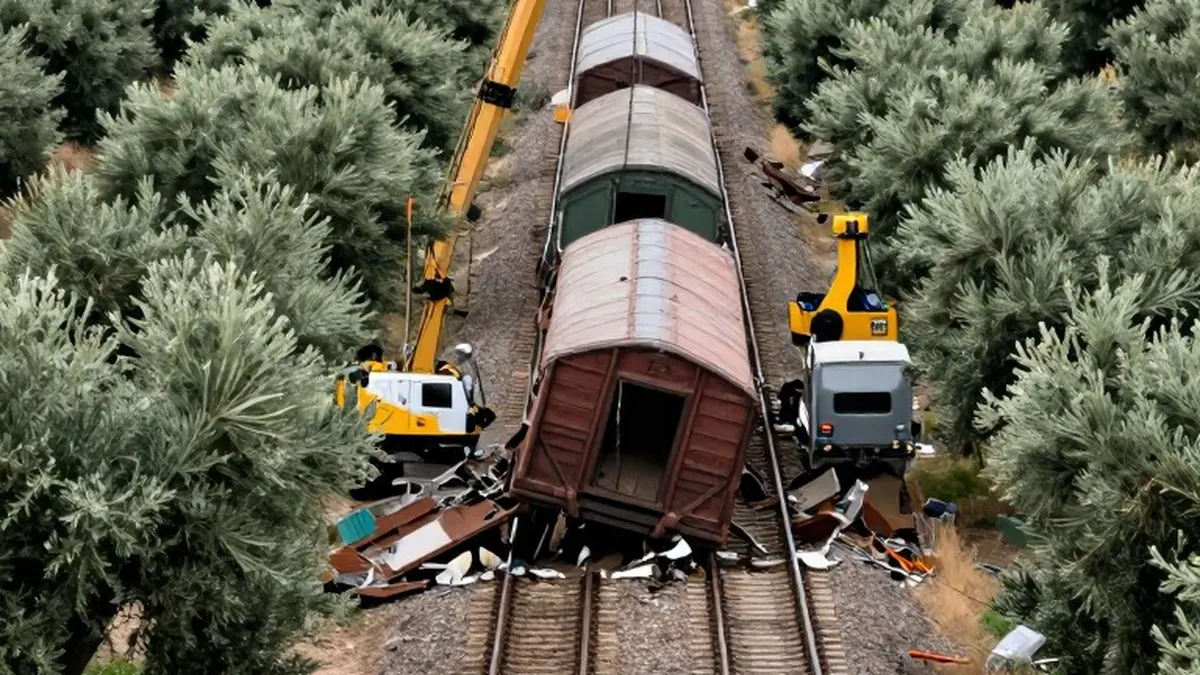
The collision occurred in the central province of Toledo, where a moving train struck another that had stopped on the tracks. Images showed overturned carriages, twisted sections of trains and detached wheels scattered beside a rural railway bordered by olive groves. Hundreds of emergency personnel and soldiers worked to rescue survivors and recover bodies. Cranes arrived late Wednesday to move damaged sections.
Transport Minister Óscar Puente attributed the crash to an order from a central rail command center after a computer malfunction disabled a safety system. He said the failure brought all trains on the line to a halt at about 8:30 a.m. local time. According to Puente, controllers subsequently allowed a RENFE train to resume its journey without speed restrictions, and it struck a stationary IRYO train at 8:53 a.m.
Puente described the order as inexplicable and said it should never have been issued. He rejected blame directed at the train engineers but faces demands to resign. Late Wednesday, riot police deployed tear gas after far-right demonstrators pushed against a police cordon outside his ministry. Some protesters hurled flares and other objects, while others shouted slogans targeting Puente and Prime Minister Pedro Sánchez.
Sánchez visited the crash site on Wednesday and promised an investigation and safety improvements. He said stronger protections were needed to restore confidence in high-speed rail and described two such accidents in one year as unacceptable. In January, 46 people died in southern Spain when a train derailed and struck another traveling in the opposite direction. Both disasters involved trains operated by state-owned RENFE and private operator IRYO.
Several Americans were among those injured, the U.S. State Department said without giving further details. Jacksonville firefighter Josue Garcia-Otero was traveling with seven relatives. In a statement released by the Jacksonville Fire and Rescue Department, he said he began helping critically injured passengers after reaching safety. His wife, a nurse, also assisted.
The disaster comes four weeks before a national election and follows widespread protests over rising costs and a housing shortage. Some of those demonstrations have been deadly. Sánchez called the snap election after his Socialist party suffered legislative defeats over measures intended to address the housing crisis.
His minority government had proposed two decree laws to protect renters after protests over the eviction of 87-year-old wheelchair user Maricarmen Abascal from her Madrid home. Although she was eventually permitted to return, she died in hospital before doing so. Sánchez, in office since 2018, also faces criticism from right-wing parties over migration policy and corruption allegations against his party and wife, which both deny. Polls indicate a difficult election ahead, though the crash’s political impact remains uncertain.