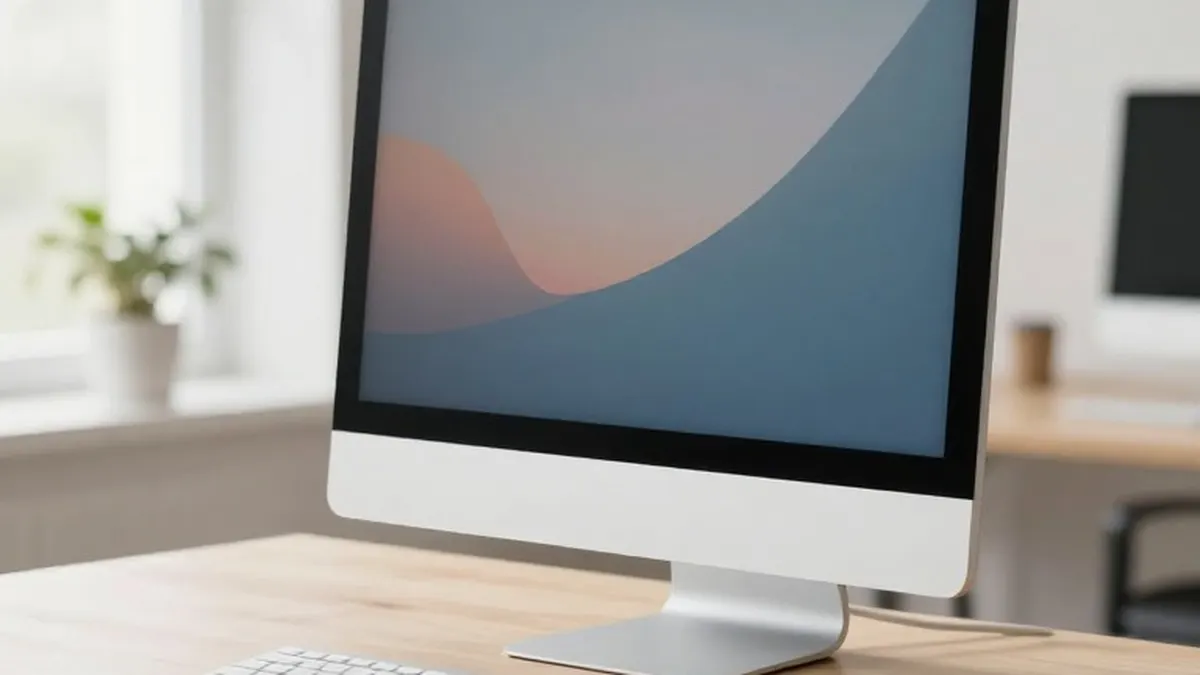
Apple has released the fourth refresh of its Apple Silicon iMac this month. While other Macs have undergone significant design changes in recent years, the iMac has maintained a consistent physical form. The MacBook Pro adopted a more Pro-oriented design, the Mac mini became more compact, and the Mac Studio emerged as a product that effectively signaled the end of the traditional Mac Pro. In contrast, the iMac continues to look backward, preserving the thin, screen-on-a-stand aesthetic that traces its lineage to the original Bondi Blue G3 model.
The device remains a clean and visually appealing desktop computer, frequently seen in small offices and on television shows depicting such environments. Although the iMac is no longer Apple's primary workstation, it holds a specific place in the market for users who value simplicity. This new iteration is particularly relevant for entry-level buyers who choose the iMac for its straightforward nature and plan to use it until it fails. The key question for these consumers is what value the new model offers compared to stepping up from an M1 model or purchasing a refurbished M4 unit.
For those unfamiliar with the current generation, the iMac is significantly thinner than the older aluminum Intel models. The front of the device is dominated by a single 24-inch screen, which is surrounded on all sides by a relatively thick white bezel. While some users may prefer a black bezel option, Apple has not included one. The consistent white border remains a defining characteristic of the device's front profile.
The iMac stands out as Apple's most colorful computer. The system ships with color-matched components, including the front, back, stand, keyboard, mouse, trackpad, and cables. Although Apple has tweaked the specific tints of its color options over the years, the M6 iMac uses the same six color tints, plus silver, that were available on the M4 iMac. This continuity in the color palette ensures that the visual identity of the product remains familiar to long-time users.
The new M6 iMac is positioned for users who prioritize a tidy desk and a simple computing experience. It does not introduce radical hardware changes but rather refines the existing formula. The design philosophy remains focused on aesthetics and ease of use, making it a suitable choice for environments where visual appeal is as important as functionality. The device continues to serve as a staple for those who find the Mac ecosystem accessible and attractive.
The update does not significantly alter the user experience regarding form factor or connectivity, as the physical layout remains largely unchanged from previous Apple Silicon models. This stability can be a benefit for users who have already invested in compatible accessories and setups. The consistency of the design language allows for a seamless transition from older models, provided the performance needs are met by the new chip.
The M6 chip represents the latest in Apple's silicon evolution, offering improved efficiency and performance over its predecessors. While the source text does not detail specific benchmark numbers, the inclusion of the M6 processor signals a standard upgrade path for the lineup. This ensures that the iMac remains competitive in terms of processing power for everyday tasks and creative workflows.
The decision to keep the design and color options largely the same suggests that Apple sees the current form as successful. There is no immediate pressure to redesign the chassis, which allows the company to focus on internal improvements. For the average consumer, this means a predictable product that fits into existing home or office setups without requiring major adjustments.
The iMac continues to appeal to a niche market that values design and brand loyalty. It is not the most powerful machine in the Mac lineup, but it offers a balanced package of performance, aesthetics, and simplicity. The new model reinforces Apple's strategy of offering distinct product tiers, each with its own unique value proposition.
In conclusion, the M6 iMac is a solid choice for those who appreciate the classic iMac design. It delivers the expected upgrade in processing power while maintaining the visual charm that has defined the product line for years. For entry-level buyers, it represents a safe and stylish option in the desktop computer market.