Rian Johnson, the director behind Knives Out and The Last Jedi, has long been a dedicated practitioner of analog photography. He is frequently seen on set using a Leica M6 to document production on film. However, he often finds that reaching for a smartphone is simply more convenient. This convenience sparked a question for Johnson: could the photos taken on his iPhone be made to resemble the specific color grade he applies to his movies?
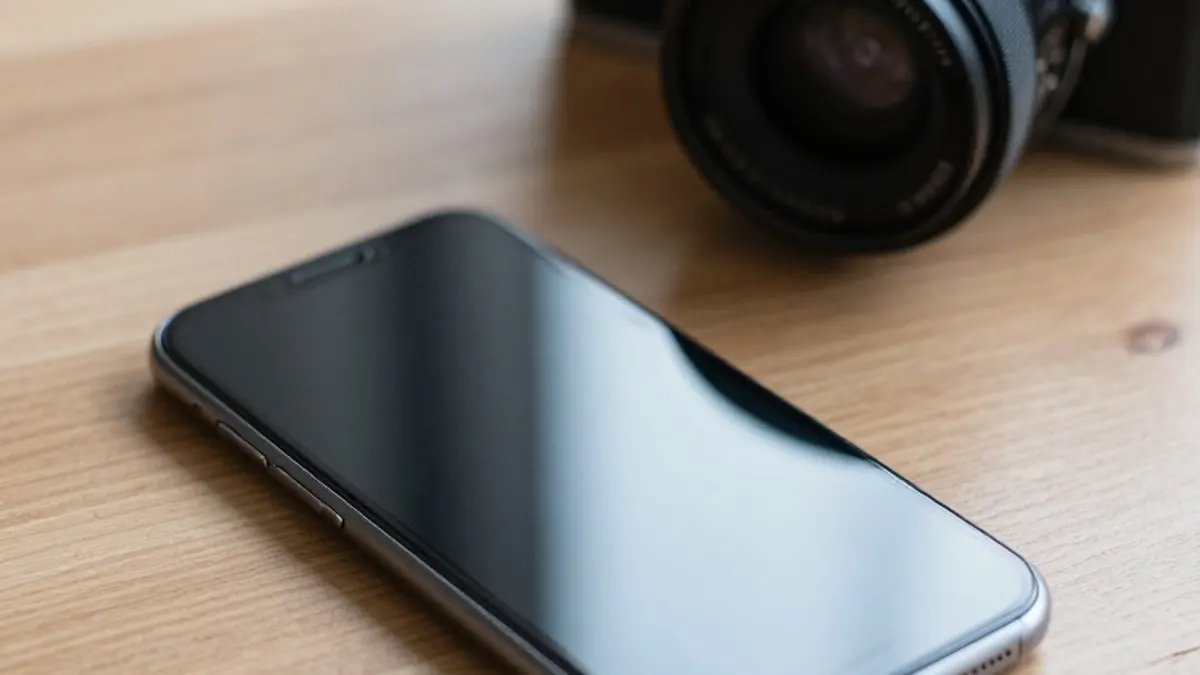
The answer is Chromagraph Camera, a new application for iOS devices priced at 13 dollars. Developed by Johnson and his longtime cinematographer, Steve Yedlin, the app bypasses standard Apple image processing to apply the same visual style used in Johnson's films. The interface is deliberately simple, offering only a few primary settings, yet it provides users with access to professional image processing decisions.
Johnson explained that while he loves his professional gear, carrying a camera on his shoulder or a heavy backpack with multiple bodies can be cumbersome. Since he always has his phone with him, he wanted a solution that matched the convenience of a smartphone with the aesthetic quality of his cinema work.
His interest in mobile photography dates back to the early smartphone era. He recalled purchasing a Nokia device that advertised its camera as a primary feature. Although the image quality was poor by modern standards, he appreciated the grainy, contrasty, and unique character of those early photos. He believes that as smartphone photography has improved in sharpness and brightness, it has lost some of that organic character, often appearing too clinical.
Before creating his own tool, Johnson attempted to achieve his desired look by shooting with the default iPhone camera and editing in Snapseed. He later moved to third-party RAW camera apps but found himself overwhelmed by file management and endless slider adjustments. He described the experience as wandering through the woods and losing track of how he got there.
While manufacturers like Apple and Google have added tools to add texture and film grain to their devices, Johnson felt these options did not offer the same level of control as starting with a RAW image. Yedlin, who believes there is no perceivable difference between film and digital when using the right algorithms, had previously created color grading scripts for Johnson's movies to mimic the look of celluloid. These tools eventually allowed Johnson to apply his movie color pipeline to still images and film scans, giving him the confidence to bring the technology to mobile.
Johnson said he called Yedlin and essentially bullied him into making the iPhone version. The resulting app functions as both a camera and an editor. It includes settings for exposure, burst mode, and color tuning, but it also allows users to import existing RAW images. This feature enables photographers to process their current libraries with Yedlin's film-like algorithms.
Although the app is still in its early stages with some unconventional user interface elements, its processing capabilities have drawn significant attention. Over the recent weekend, Chromagraph went viral on social media, with users praising the results compared to standard Apple defaults. Despite his new digital tool, Johnson remains passionate about traditional methods. He has set up a home darkroom and is experimenting with 8 by 10 wet plate photography, describing the analog process as a form of nerd fishing that he finds deeply satisfying.