The Mojave desert town of Amboy, California, offers little in the way of modern infrastructure, yet it remains a mandatory stop for those traversing Route 66. The primary draw is the towering, fifty-foot neon sign for Roy's Motel and Cafe. For Alan Jacob, a retired plumber from a small town north of Wellington, New Zealand, the attraction is not just the visual spectacle. He and his tour group have spent nearly a month collecting souvenirs, including t-shirts, hats, and socks. Jacob is particularly focused on gathering fridge magnets from various locations along the highway. He plans to mount them on a white powder-coated board upon returning home to map his journey.
This year marks a hundred years since the highway was founded. Spanning nearly 2,500 miles from Chicago to Santa Monica, the route continues to attract a significant number of visitors from outside the United States. A 2024 study by SMARInsights, shared with NPR by the New Mexico Tourism Department, indicates that international travelers are more likely to complete the entire length of the road than domestic tourists. Samir Patel, manager of the Wigwam Motel in San Bernardino, noted that sixty to seventy percent of his guests are international. He highlighted a strong presence of Australians and New Zealanders, alongside a growing number of visitors from South America and Asia.
Sam Murray, a New Zealand-based tour operator, has led these excursions for over a decade. His company, Gilligans Tours, caters primarily to clients from the Pacific Islands. Murray’s own connection to the route began in 2005 when he visited the United States for an auto race in Laughlin, Nevada. After the event, he drove a nearby segment of Route 66 and was inspired to complete the full distance. In 2011, he purchased an old motor home in Pennsylvania and drove to St. Louis to follow the historic road to Los Angeles. He subsequently discovered that friends back home shared his interest, leading to the creation of his tour business.
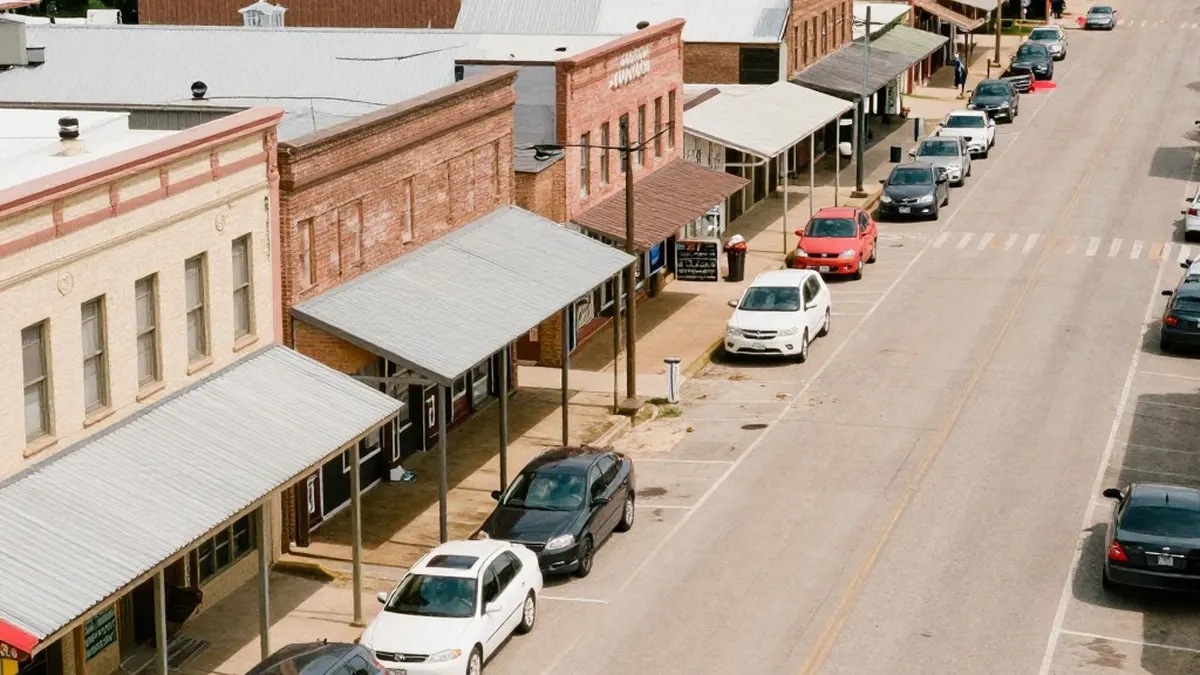
Traveling Route 66 in the modern era differs significantly from the mid-twentieth century experience. The construction of the interstate highway system rendered many sections obsolete, and the road was officially removed from the U.S. highway system in 1985. Today, it exists as a patchwork of roads, some of which are unpaved. Pete Volkers, a retired apple grower who joined Murray’s tour, noted that the group encountered a considerable amount of gravel driving. Volkers took the trip to venture out on his own for the first time since his wife passed away the previous year. He grew up immersed in American pop culture and found the journey fulfilling as he visited small towns filled with iconic neon signs and mid-century aesthetics.
While the experience is rich with nostalgia, Volkers also acknowledged a certain bleakness to the 2026 landscape of the route. Many small towns see few visitors, with travelers often speeding past to reach larger destinations. However, specific stops remain vibrant. In Oatman, Arizona, a former gold mining town, the streets are crowded with tourists on a Monday afternoon. The area’s rickety storefronts and roaming donkeys evoke the atmosphere of classic Western films. Peter Johnson, an insurance broker from Australia, remarked that the setting felt authentic enough to warrant a six-gun.
Inside the Oatman Hotel, a landmark built in 1902, manager Carrie Eagan observed distinct differences between American and foreign visitors. She noted that while domestic guests often possess deep historical knowledge, international tourists arrive with high energy and a desire to make an impression. This was evident in the behavior of Kieron and Wendy Guinness, a New Zealand couple who were captivated by the hotel’s walls and ceilings covered in cash. Wendy, who spent a year in California as a high school student, recalled the abundance of good food during her youth. Kieron, a retired bartender with a passion for American vehicles, even imports cars to New Zealand despite the challenge of converting left-hand drive vehicles for a right-hand drive country.
The journey concludes at the famous 'The End of Trail' sign in Santa Monica. Tour operator Sam Murray expressed relief at reaching the destination without major incidents. He acknowledged that driving a two-lane highway across the country is a significant undertaking, particularly for visitors accustomed to driving on the opposite side of the road. For many guests, the completion of the route provides a sense of accomplishment and relief after a long and culturally immersive experience.