Chinese President Xi Jinping stated that Beijing and Moscow should take the lead in advancing the trend toward a multipolar world. He made these remarks following a bilateral meeting with Russian President Vladimir Putin on Wednesday. The discussions took place on the sidelines of the Asia-Pacific Economic Cooperation summit, which is currently being held in the southern Chinese city of Shenzhen.
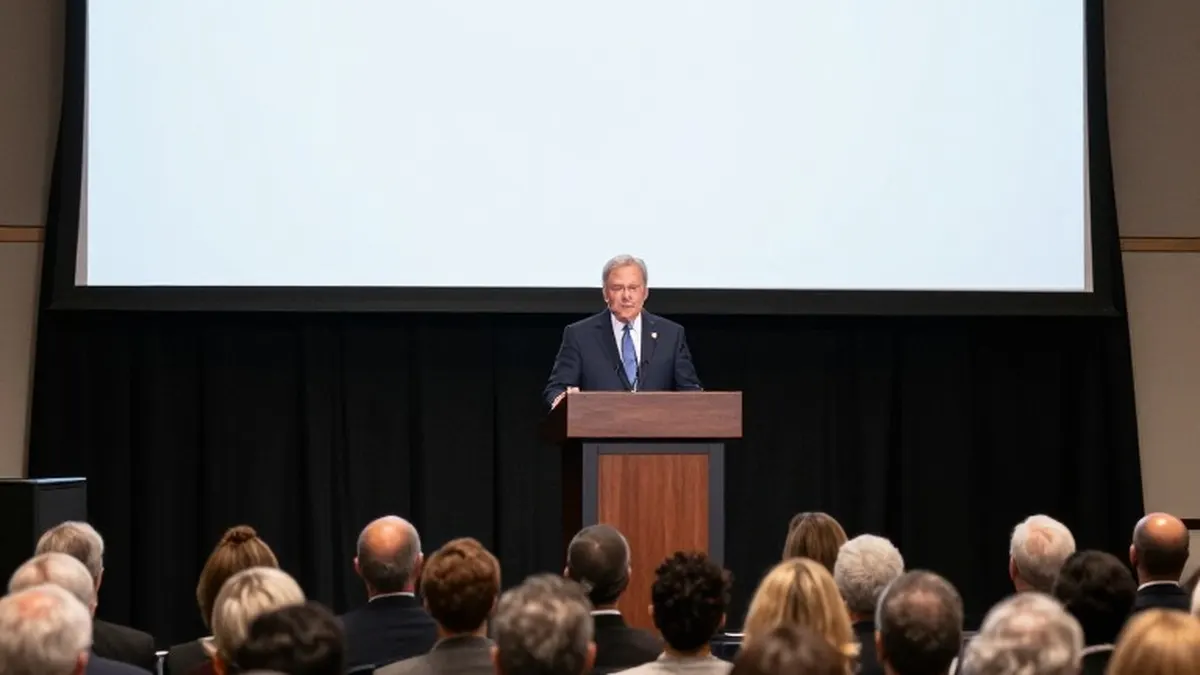
Following Xi’s address, President Putin took the stage to speak to the assembled leaders. He described Western powers as former hegemons who are no longer in full control of global economic dynamics. Putin specifically noted that Europe is currently experiencing a humiliating decline in its standing on the international stage.
The Russian leader argued that traditional methods of economic dominance and de facto coercion have largely lost their intimidating power. He observed that experience has shown these tools have run their course, even as they continue to be employed by Western nations to influence global markets.
Putin acknowledged that sanctions, tariffs, and export restrictions still exert a certain deterrent effect on targeted economies. However, he asserted that these measures are incapable of halting growth or crushing the economies of their competitors. This perspective highlights a growing confidence in non-Western economic resilience despite ongoing pressure from the US and Europe.
The context of these remarks is significant given the heavy sanctions imposed on Russia by the United States and European countries. These measures were introduced in response to Moscow’s war against Ukraine, a conflict that began in February 2022 when Russia invaded its neighbor. The economic fallout has been a central feature of international diplomacy since that time.
The APEC organization, established in 1989, currently includes 21 member economies. These members account for more than 50 percent of global gross domestic product and represent a population of approximately 2.7 billion people. The group’s primary aim is to support economic growth and prosperity throughout the Asia-Pacific region.
Leaders attending this year’s summit are expected to discuss a range of critical issues. Among the key topics are artificial intelligence and international trade. These are two areas in which both the United States and China play dominant roles, making their coordination a focal point for regional stability and growth.
A particularly pressing issue for APEC members and the wider global community is the current trade truce between Washington and Beijing. There is significant uncertainty regarding whether this agreement will be extended beyond January, which could have profound implications for global supply chains and economic policy in the coming year.