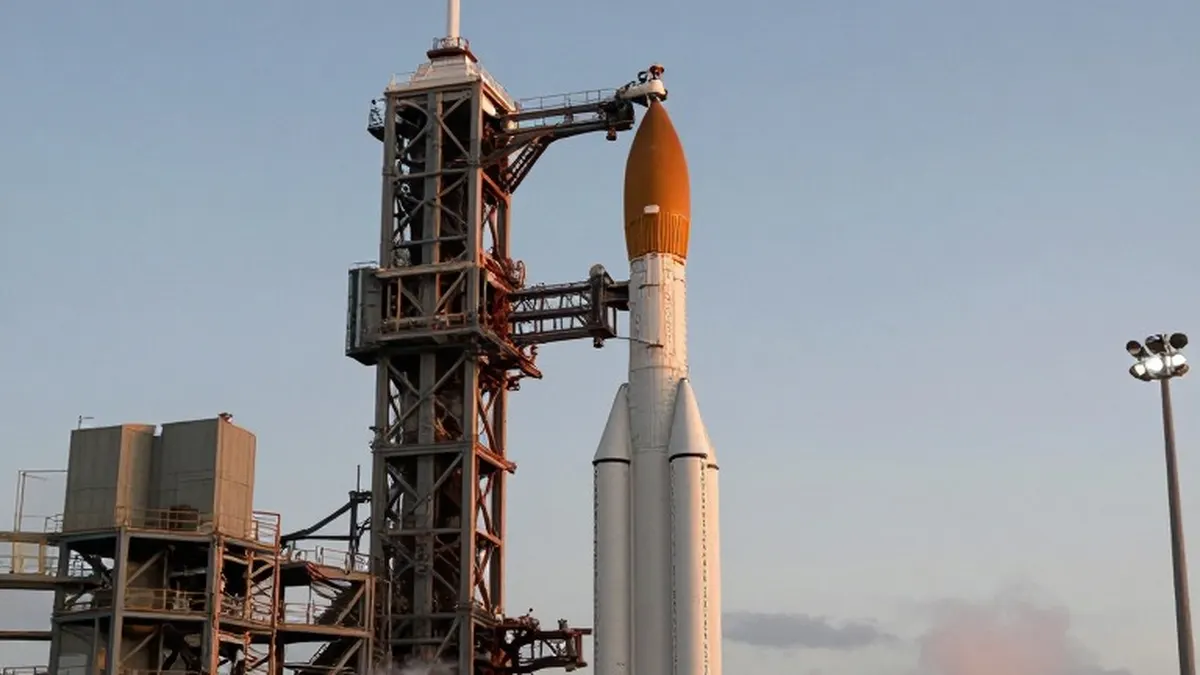
A routine supply mission to the International Space Station is set to launch in less than 16 hours, but the event has taken on an air of secrecy that has puzzled observers. The Progress MS-36 spacecraft is scheduled to lift off at 10:13 UTC, which corresponds to 5:13 am Eastern Time on Tuesday, November 24, 2026. Despite the imminent departure of a vehicle destined for a station operated in cooperation with the United States, NASA has not publicly confirmed the specific date or time of the launch.
The lack of information became apparent on Monday afternoon during a NASA news conference. Jeff Foust, a reporter for Space News, asked officials to confirm the upcoming Russian cargo mission. He inquired if NASA could verify the launch and provide the specific schedule. The Progress MS-36 flight is a standard operation, yet the agency’s response to this basic query was notably evasive.
Gaurang Patel, the operations integration manager for NASA’s Low Earth Orbit Program, addressed the question during the call. He stated that regarding the Progress launch, media outlets should reach out to Roscosmos directly for any questions tied to the vehicle. This response has been interpreted by some as a way for NASA to deflect inquiries, given that Roscosmos typically does not reply to Western media outlets.
This situation appears to mark a recent shift in policy. Historically, NASA has provided live television coverage of every Russian cargo flight departing from the Baikonur Cosmodrome in Kazakhstan. However, there is currently no information about the upcoming launch on NASA’s schedule for live events. As recently as September, the agency offered live coverage of Progress launches and even issued media advisories promising updates once Roscosmos provided launch details.
Two months after that September commitment, NASA officials are now unwilling to confirm that another Progress launch is taking place. This raises questions about who initiated the decision to withhold information. It is unclear whether this was a unilateral choice by NASA or a request from Roscosmos, though the implications for international transparency remain a point of discussion.
It is probable that the decision originated with Roscosmos, the state-sponsored Russian space corporation. Local sources indicate that the agency has not been advertising the preparation of the Progress spacecraft as it customarily does. This marks a departure from their standard protocols for publicizing launch campaigns.
Russian space reporter Anatoly Zak has confirmed that Roscosmos has dramatically curtailed its coverage of all launch campaigns in recent months. The agency has not posted any mention of the upcoming launch on its official Telegram channel, further contributing to the low profile of the mission.
The contrast between the routine nature of the cargo delivery and the lack of public communication highlights a changing dynamic in the collaboration between the two space agencies. While the mission itself is standard, the handling of its public relations has become a notable point of interest for the space community.
As the launch window approaches, attention will likely turn to whether this silence will continue through the actual liftoff. The incident underscores the complexities of managing communications in a joint orbital operation, especially when one partner becomes less forthcoming with details than in previous years.