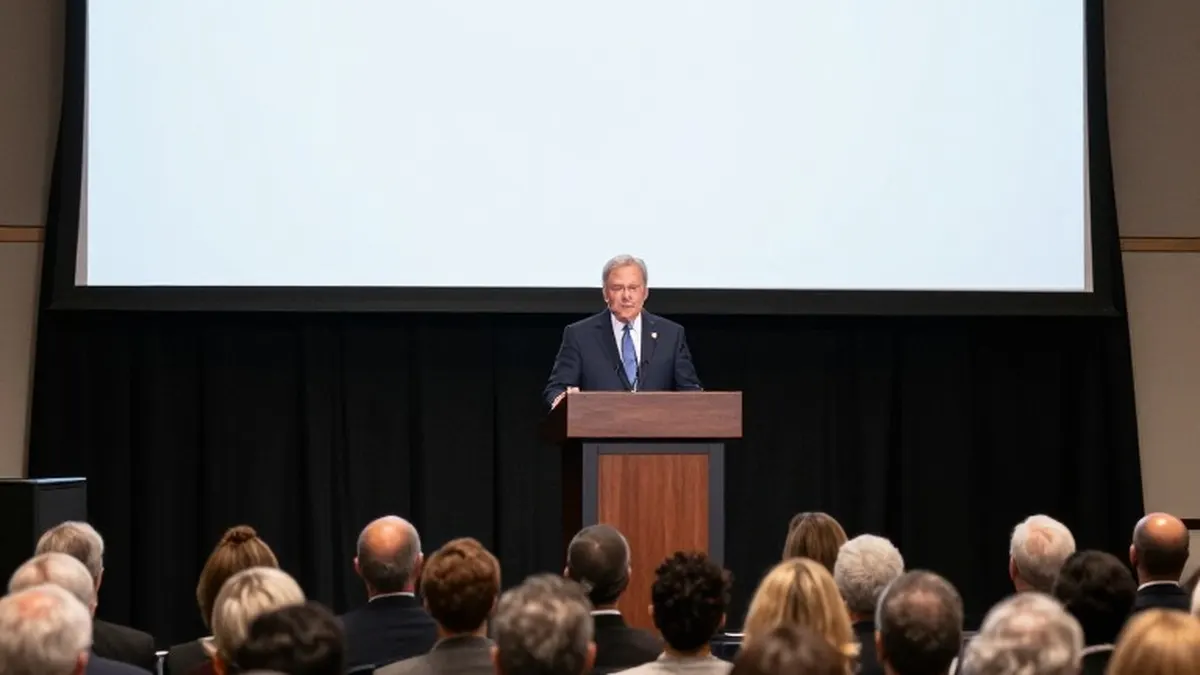
Maksym Bakhmatov, the head of Desnianskyi, one of Kyiv’s largest districts, has voiced strong criticism regarding the energy crisis affecting the city's 600,000 residents in his area. Speaking from his office on the left bank, Bakhmatov attributed the outages primarily to Russian President Vladimir Putin. He also placed secondary blame on Mayor Vitali Klitschko, citing a lack of effective management.
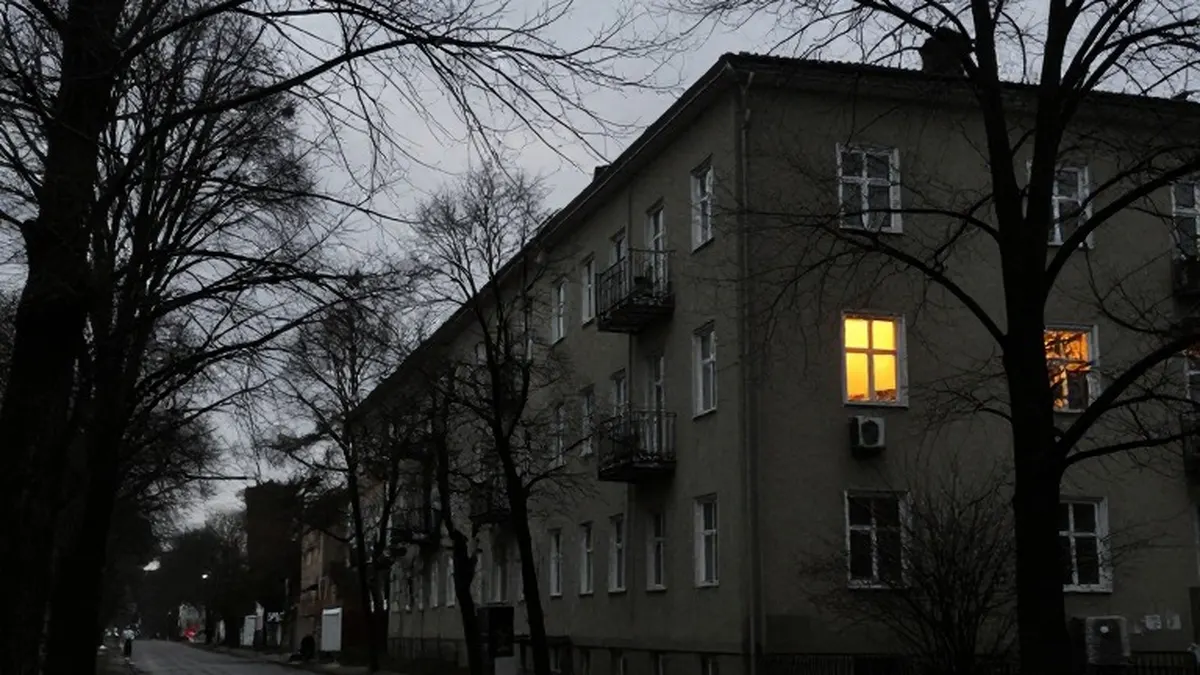
The current situation places a significant burden on a wartime mayor who faces daily attacks from ballistic missiles and jet-powered drones. Many homes in Kyiv now receive electricity for only four hours a day, a shortage that is particularly concerning before the onset of freezing winter temperatures. This week, Russian strikes hit two critical bridges over the Dnipro River, threatening to divide the city and sever connections between the western and eastern parts of the country.
Critics argue that city officials failed to prepare for such dire shortages despite clear signals that the Kremlin intended to target Kyiv’s livability. Bakhmatov noted that some residents have endured power cuts of up to 37 consecutive hours. As a district leader, he stated he lacked the budget to implement long overdue projects, such as decentralizing power generation, which he believed should have been completed over the past five years.
Political tensions escalated last month during a rare wartime rally in Kyiv. Approximately 500 people gathered on Khreshchatyk Street to protest the mayor's leadership, with one sign reading, “Kyiv is in blackout, Klitschko will get knocked out,” a reference to his boxing career. The anger reflects a broader conflict between the city administration and President Volodymyr Zelenskyy, who recently accused Klitschko of failing to prepare for the heating season.
Zelenskyy described the situation in Kyiv as the worst in the country, noting that people and businesses are facing prolonged outages of power and water. He claimed these issues were the result of the city’s failure to implement necessary decisions. Klitschko defended his position the same day, questioning how the city could stop a coordinated Russian operation against the energy system. He also criticized the central government for manipulating the narrative to blame the mayor.
Volodymyr Fesenko, a political analyst, described the rift between Zelenskyy and Klitschko as personal and long-standing, dating back to the president’s time as a comedian. Fesenko noted that while Kyiv is less prepared than other cities like Kharkiv, the central government is also responsible for defending large infrastructure. He added that while it is difficult to remove Klitschko, the president’s office has previously considered reducing the mayor’s authority over city infrastructure.
In Kharkiv, which sits just 30 kilometers from the Russian border, Mayor Ihor Terekhov described the threat as even more dire due to a catastrophic funding shortage. His city is attempting to decentralize its utility services by creating “energy islands” consisting of small fuel-powered generators and modular boilers. Terekhov acknowledged that this transition is both costly and time-consuming.
Back in Kyiv, Bakhmatov’s office was dark during his interview, decorated with anti-Klitschko posters and a large map of his district. He suggested he might be a suitable replacement for the mayor but emphasized his desire to represent his constituents. With no workable evacuation plan for the 600,000 people in his district, Bakhmatov urged for immediate assistance with generators, food, and power stations to help residents survive the coming cold and dark winter.