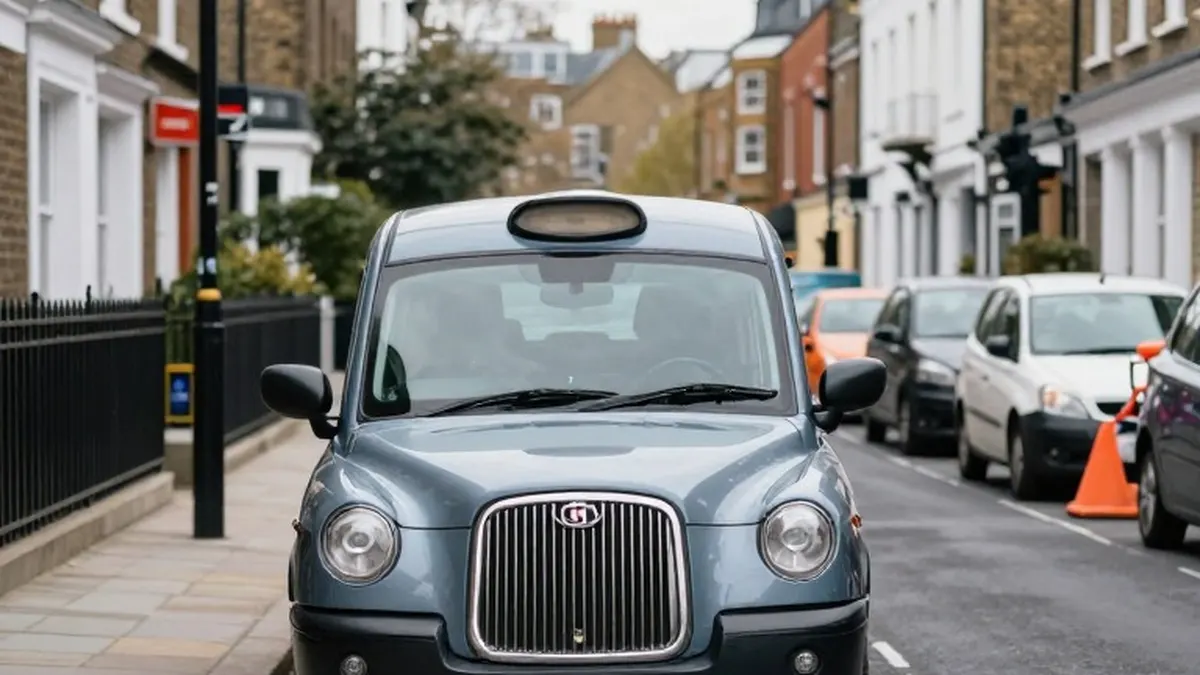
Sadiq Khan has urged the UK government to give London powers to cap robotaxi numbers as it prepares to permit fully driverless vehicles in the capital. The mayor questioned whether existing rules were adequate and warned that the technology could affect drivers’ livelihoods and add to congestion.
His intervention followed Freenow by Lyft’s unveiling of Chinese robotaxis already undergoing tests in London. The Uber rival hopes to introduce Baidu vehicles without drivers as early as 2027 through a national licensing scheme. Uber began providing limited passenger journeys in Wayve autonomous cars in September, with a safety driver seated at the front and a licence from Transport for London.
London is the main focus for those companies and for Waymo, which runs robotaxis in San Francisco and other US cities. Khan argued that deployment should proceed gradually, with suitable regulation established before services expand widely. He said politicians had underestimated the speed of technological development and that questions about air quality, traffic and the future of private hire and black-cab drivers remained unresolved.
The mayor is lobbying for greater authority for TfL, including powers to limit vehicle numbers. There is currently no cap on London’s taxis or private hire vehicles, he said. Under the rules governing fully autonomous vehicles, TfL can approve or reject their use in London but cannot license or manage robotaxi services. Khan highlighted the capital’s narrow streets, nearly 10 million residents and 400 villages as reasons to take care with the rollout.
Driver unions have protested outside Wayve’s and Waymo’s London headquarters in recent weeks, while many Uber drivers are worried about their future. Freenow by Lyft, however, regards the national regulatory framework as an incentive to invest. Its UK and Ireland general manager, Danny O’Gorman, said arrangements for regulating an operating service still required work and that the company was cooperating closely with TfL.
Around 24 Baidu Apollo Go autonomous vehicles are being tested in Brent. The cars, which feature a massage seat and a rear passenger touchscreen, already provide fully autonomous services in cities in China and the UAE. During an October test drive for the Guardian, they appeared to navigate safely, although many test journeys still need human intervention, particularly around roadworks.
O’Gorman said obeying road rules presented difficulties when other motorists disregarded them, including drivers sounding their horns at vehicles observing speed limits. Freenow by Lyft has also promised a dedicated UK autonomous vehicle depot, where he said remote operation and servicing roles could employ a large share of displaced taxi drivers.
The company has traditionally worked with black cabs. O’Gorman argued that their greater challenges were expensive vehicles and an ageing workforce, with two-thirds of drivers over 50 and retiring. He said autonomous services would take considerable time to reach a fleet size that threatened that sector.