Saudi Arabia is preparing for a protracted war against the Iran-backed Houthis in Yemen, with officials expecting the conflict to continue well into 2027. Two Western officials briefed on the plans indicated that the kingdom is doubling its efforts despite recent battlefield setbacks and attacks that have disrupted life within its borders. A third source familiar with the situation confirmed these accounts, noting that the renewed fighting has become the most active front in the wider conflict sparked by the Iran war.
The campaign has resulted in thousands of casualties and the displacement of hundreds of thousands of people in Yemen. It has also hindered Saudi Arabia's strategic goals of attracting non-oil investment and hosting major global events. Saudi officials now anticipate the campaign could last up to six months. They aim to secure significant territorial gains for Yemen's internationally recognized government before initiating negotiations with the Houthis. All three sources mentioned that a potential deal to end the broader Iran war could lead to a drawdown in the Yemen conflict.
Riyadh believes that increased US offensive support for its operations in Yemen could significantly alter the course of the war. President Donald Trump's administration has so far withheld such support, but Saudi officials suggest that its inclusion might allow their forces to achieve desired gains within weeks. A Saudi Foreign Ministry official declined to comment on these views as described by the Western sources.
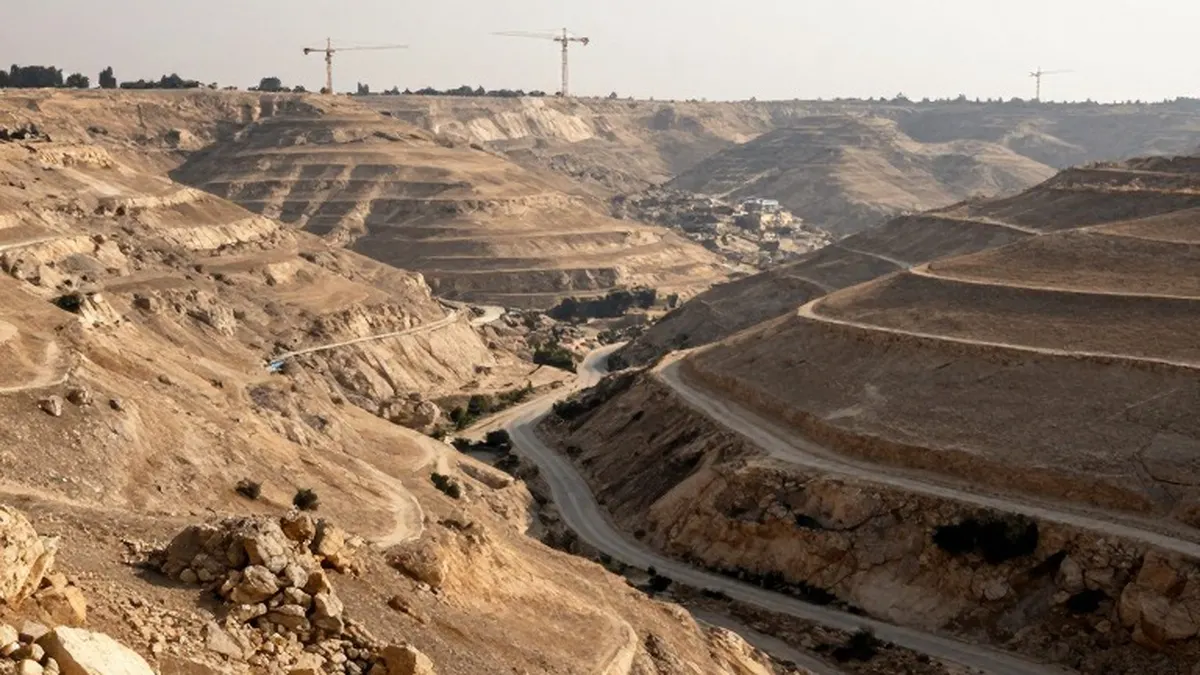
On the battlefield, the Houthis have made substantial advances since fighting resumed this summer. They have seized control of the Red Sea coast and the strategic Bab el-Mandeb strait from Saudi-backed forces. Additionally, they have encircled the city of Taiz, located in the highlands above Aden, the temporary capital of the Saudi-backed government on the southern coast. Although Yemeni government forces launched a counterattack last month to recapture territory around the strait, they withdrew over the past weekend to protect Aden, marking a significant setback.
Saudi and Yemeni forces are currently reorganizing. Plans include protecting Aden from further Houthi advances and potentially shifting the offensive to eastern fronts where they have maintained their lines or made slight progress. On Monday, Saudi Arabia announced the replacement of the commander overseeing the Saudi-led coalition. Yemen's government is also expected to reshuffle its military leadership, according to two people familiar with the plans.
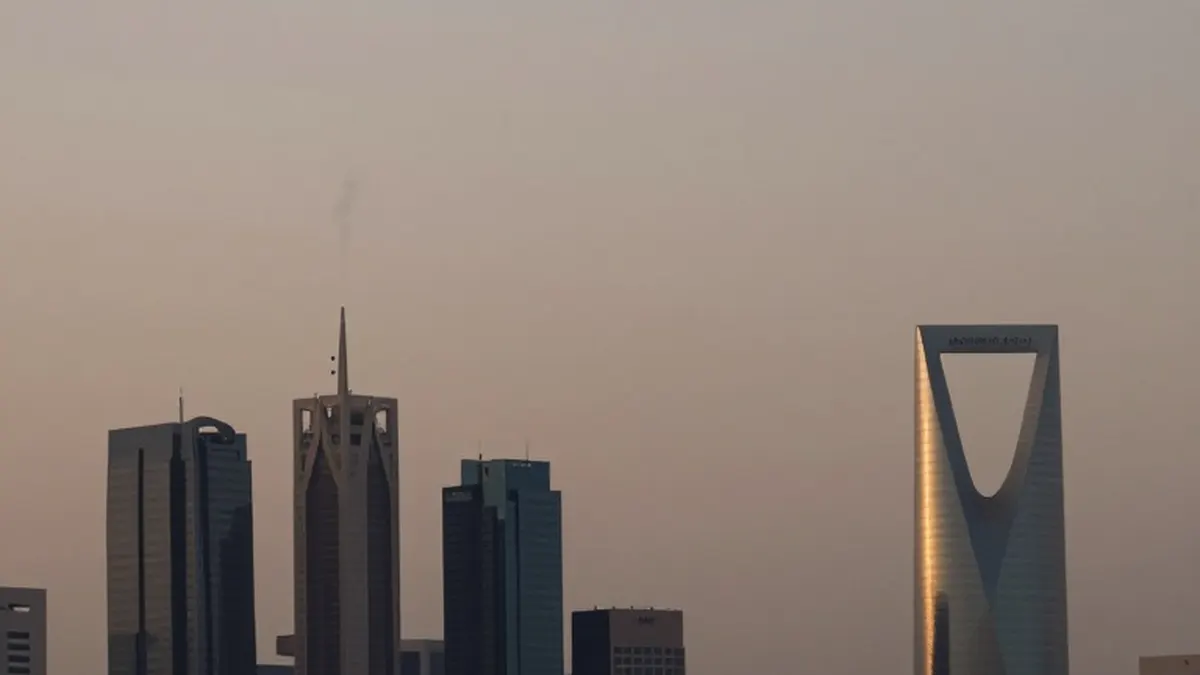
A major air attack was launched across rebel-held territories in Yemen on Tuesday, as announced by the Saudi-led coalition on Wednesday. Maj. Gen. Turki al-Malki, the coalition spokesman, stated that the strikes on Sanaa and three other provinces targeted dozens of Houthi ballistic missile warehouses and drone workshops. In response, Houthi military spokesman Yahya Saree said the group attacked King Khalid International Airport and the Financial Center in Riyadh with a large number of cruise missiles, though Saudi Arabia did not confirm this specific claim.
The human cost of the strikes has been significant. Anees al-Asbahi, a spokesman for the Houthi-run health ministry, reported that at least 17 people were killed in the air attacks. One strike hit a sponge factory in Hodeida, killing at least 15 people and wounding 15 others. At least two more people were killed and four injured in Saada, while nine more were injured in Sanaa. Saudi air defenses also destroyed two Houthi-fired cruise missiles targeting Riyadh on Wednesday.
The conflict has increasingly affected Saudi public life and messaging. The kingdom had initially portrayed the war as a Yemeni issue, with Saudi Arabia providing support and defense rather than acting as a full party to the conflict. However, repeated high-profile attacks on Saudi cities have made this position difficult to maintain. Last week, a Houthi attack created a large hole in the headquarters of state oil company Aramco in Riyadh. The capital's airport has remained closed to most flights since October due to a series of strikes.
These disruptions have led to the cancellation or postponement of major events. The flagship FII investment conference has been affected, and Soccer's AFC Asian Cup has been moved from January 2027 to December. Saudi authorities have begun issuing regular alerts before attacks and providing detailed statements afterward, a shift from their previous approach of releasing limited information. State media also showed damage to the Aramco tower after the deputy governor of Riyadh visited the site.
Public messaging about the war has extended to religious institutions. The government guides sermon themes in mosques, which traditionally focus on everyday topics. Last Friday, a major mosque in Riyadh dedicated its entire sermon to the conflict with the Houthis. The imam promised fighters victory or martyrdom and offered prayers for Saudi soldiers at the southern border, urging God to guide their aim and steady their feet.